Opuntia maxima (Opuntia maxima)
Also known as: None
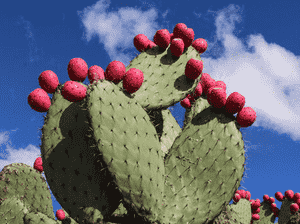
Opuntia maxima is a species of cactus native to various parts of Mexico. It features large, flat, paddle-like segments known as cladodes covered with spines. The plant produces large, colorful flowers followed by edible fruits, commonly known as prickly pears. Opuntia maxima is adapted to arid conditions and is sometimes used in landscaping and for its fruit.
In This Article
Attributes of Opuntia maxima
Lifespan
Perennial
Plant Height
0.5-1 meter
Spread
Unknown
Leaf Color
Green
Flower Size
Unknown
Flower Color
Yellow
Images of Opuntia maxima
Quickly Identify Opuntia maxima
1
A mature Opuntia maxima cactus is easily identifiable by its green, paddle-shaped stem segments and it generally has yellow flowers. It also has sharp spines that protect it from predators.
Scientific Classification of Opuntia maxima
Phylum
Tracheophyta
Class
Magnoliopsida
Order
Caryophyllales
Family
Cactaceae
Genus
Opuntia
Species
Opuntia maxima
Planting and Growing of Opuntia maxima
Care Difficulty
Easy
Watering Schedule
Every day
Sunlight Requirements
Full sun
Sunshine Duration
4-6 hours
Ideal Temperature
65-80℉
Soil Type
Potting Mix, Peat Mix
Soil pH
6.5-7.5
Fertilizer Type
Balanced
Pruning Season
Spring, Summer
Pruning Area
Branches, Leaves
Pruning Frequency
2 times a year
Repotting Season
Spring
Pot Type
Plastic, Ceramic
 How to Water Opuntia maxima?
For Opuntia maxima, the amount of water should be sufficient to soak the soil, but ensure it is entirely dry before watering again. Typically, 250 ml is enough to adequately reach the roots without over-saturating the cactus' environment. A core principle is avoiding excess moisture to prevent root rot, so always ensure the pot has good drainage.
What are the symptoms of an underwatered Opuntia maxima?
›
What should I do if my Opuntia maxima is not getting enough water?
›
What are the symptoms of an overwatered Opuntia maxima?
›
How to save an overwatered Opuntia maxima?
›
 What Are the Sunlight Requirements for Opuntia maxima?
Full sun is the ideal light condition for Opuntia maxima, as it aids in vigorous growth and optimal health. Adequate sunlight improves photosynthesis efficiency and promotes abundant flowering.
How much sunlight does Opuntia maxima need?
›
What are the benefits of providing ideal lighting to Opuntia maxima?
›
How can you provide ideal lighting for Opuntia maxima indoors?
›
 What Is the Ideal Temperature Range for Opuntia maxima?
Opuntia maxima thrives best within an ideal temperature range of 65°F to 80°F. This range supports optimal metabolic and photosynthetic activities, contributing to healthier growth and development. Outside this range, plant stress may increase, affecting growth rates and overall plant health.
 What Soil is Best for Opuntia maxima?
Opuntia maxima thrives in well-drained soil, preventing root rot and waterlogging. Sandy soil provides excellent drainage, which ensures the cactus roots remain healthy and robust, allowing the plant to absorb nutrients efficiently. This cactus is adapted to grow in nutrient-poor soils. It doesn't require rich soil; instead, it thrives with minimal organic matter, making maintenance easier and reducing the need for frequent soil amendments. Maintaining a neutral pH level between 6.5 to 7.5 is ideal for Opuntia maxima. This pH range allows for optimal nutrient availability, ensuring healthy growth and preventing nutrient lockout.
 How to Fertilize Opuntia maxima?
Opuntia maxima requires a modest amount of fertilizer. Use a balanced 10-10-10 liquid fertilizer diluted to half its strength. For slow-release fertilizers, apply a small handful around the base, ensuring not to over-concentrate in one spot to avoid root burn.
 How to Prune Opuntia maxima?
Use sharp, sterile pruners or a knife to make clean cuts. This prevents damage to the plant and reduces the risk of infections. Ensuring your tools are in good condition is crucial, as dull tools can crush the pads rather than cut them cleanly. Focus on removing dead, diseased, or damaged pads. Additionally, thin out overcrowded areas to improve air circulation. Look for pads growing in awkward directions and consider removing them to maintain a pleasing shape. Make cuts at the join where the pad meets the main stem. Avoid cutting too close to avoid damaging the main stem. Cut cleanly and at a slight angle to encourage water runoff, which helps prevent rot.
 How to Propagate Opuntia maxima plant?
1
Choose a mature, healthy pad from the parent plant. It should be free from any signs of disease or damage, as healthy pads are more likely to root successfully.
2
After cutting, allow the cut surface to dry and callus over for a few days. This process is important to prevent rot when planting the cutting in soil.
3
Once callused, plant the cutting in a well-drained potting mix specifically formulated for cacti. Water sparingly to prevent rot, ensuring the environment is conducive to rooting.
 How to Repot Opuntia maxima plant?
1
Opuntia maxima typically needs repotting when its roots start to outgrow the current pot or begin to push through the drainage holes. Another signal is if the cactus appears top-heavy or if growth has significantly slowed despite appropriate care. These signs usually indicate that it's time for a larger pot or fresh soil to accommodate its needs.
2
Select a pot that is slightly larger than the current one, ideally with good drainage holes to prevent water stagnation. A porous material like terracotta is excellent, as it allows moisture to evaporate, reducing the risk of root rot. The pot should provide stability to the cactus, preventing it from tipping over.
3
Opt for a well-draining cactus mix to provide the Opuntia maxima with optimal aeration and drainage. This type of soil prevents waterlogging, which is critical for protecting the cactus's roots from rot. Adding perlite or pumice can enhance drainage, offering enough support while allowing the roots to breathe.

