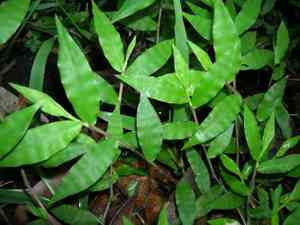
basket grass (Oplismenus) (Oplismenus)
Also known as: Basket Grass, Wavy Basket Grass
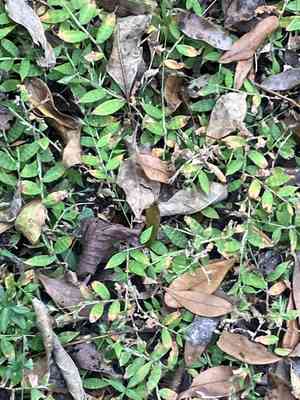
Japanese stiltgrass is a robust, low-growing grass species. Unlike many other grasses, it thrives in shaded environments and is commonly found on forest floors beneath dense canopies. While it can be used for lawns or decorative purposes, it is widely regarded as an invasive species in numerous regions, capable of overwhelming and displacing struggling lawns.
In This Article
Attributes of basket grass (Oplismenus)
Lifespan
Perennial
Plant Height
10-50 cm
Spread
45-60 cm
Leaf Color
Green
Flower Size
0.5-1 cm
Flower Color
Yellowish or Reddish
Images of basket grass (Oplismenus)
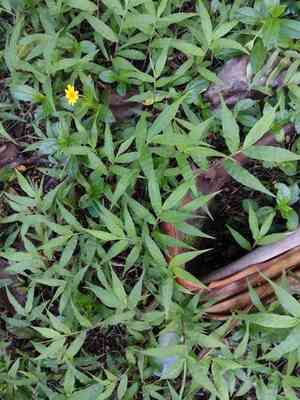
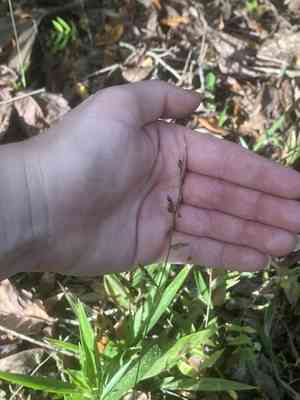
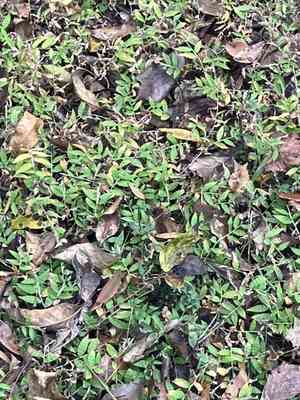
Quickly Identify basket grass (Oplismenus)
1
Oplismenus can be identified by its prostrate growth habit, broad and wavy leaves, and its unique inflorescence, usually a panicle with spikelets that may be conspicuously bristly.
Scientific Classification of basket grass (Oplismenus)
Phylum
Magnoliophyta
Class
Liliopsida
Order
Poales
Family
Poaceae
Genus
Oplismenus
Planting and Growing of basket grass (Oplismenus)
Care Difficulty
Easy
Watering Schedule
Every 4 days
Sunlight Requirements
Partial sun
Sunshine Duration
6-12 hours
Ideal Temperature
68-77℉
Soil Type
Potting Mix, Peat Mix
Soil pH
6-7.5
Fertilizer Type
Balanced
Pruning Season
Spring, Summer
Pruning Area
Branches, Leaves
Pruning Frequency
2 times a year
Repotting Season
Spring
Pot Type
Plastic, Ceramic
 How to Water basket grass (Oplismenus)?
Oplismenus thrives best when its soil is kept consistently moist but not soggy. Water the plant until the excess starts draining from the bottom of the pot, ensuring the entire root mass receives moisture. This promotes healthy growth by preventing dehydration and reducing the risk of waterlogging.
What are the symptoms of an underwatered basket grass (Oplismenus)?
›
What should I do if my basket grass (Oplismenus) is not getting enough water?
›
What are the symptoms of an overwatered basket grass (Oplismenus)?
›
How to save an overwatered basket grass (Oplismenus)?
›
 What Are the Sunlight Requirements for basket grass (Oplismenus)?
Partial sun or full shade conditions are best for Oplismenus, fostering robust foliage without the risk of sunlight damage. Ideal light conditions improve photosynthesis efficiency and vibrant leaf color.
What is the ideal lighting for Oplismenus?
›
How can you achieve ideal lighting conditions for Oplismenus?
›
What are the benefits of providing Oplismenus with ideal lighting conditions?
›
 What Is the Ideal Temperature Range for basket grass (Oplismenus)?
The ideal temperature range for growing Oplismenus is between 68°F and 77°F. These temperatures provide optimal conditions for photosynthesis and overall growth. At these temperatures, the plant's metabolic processes function efficiently, allowing for healthy leaf development and vibrant coloration.
 What Soil is Best for basket grass (Oplismenus)?
This plant thrives in well-drained soil, which prevents waterlogging. Excess moisture can lead to root rot, so having a substrate that allows water to flow away quickly ensures that the roots stay healthy and oxygenated. Oplismenus benefits from soil enriched with organic matter. Such soil not only retains moisture more efficiently but also delivers essential nutrients, promoting robust growth and lush foliage. The plant prefers moderately fertile soil, which means it should not be too nutrient-poor or excessively enriched. Balanced fertility ensures steady growth without over-stimulation, which can lead to weak plant structure.
 How to Fertilize basket grass (Oplismenus)?
For Oplismenus, aim for a balanced approach in fertilization. Use a diluted liquid fertilizer at half strength to avoid over-fertilization. When applying slow-release fertilizer, use a small amount, typically a teaspoon per plant, ensuring it covers the root zone lightly.
 How to Prune basket grass (Oplismenus)?
Begin by identifying areas with damaged or overgrown stems. Look for discolored leaves or stems encroaching on other plants, as these are ideal candidates for removal. Keep an eye out for parts of the plant that may be shading others excessively. Using clean, sharp scissors, cut back the longest stems to a nodal point, leaving a length of about an inch above the node to prevent decay. Trim 1/3 of the plant at most, from strategic areas to ensure balanced regrowth and a tidy appearance.
 How to Propagate basket grass (Oplismenus) plant?
1
Select healthy stems from the parent plant, ensuring each cutting is 4-6 inches long. Cut just below a node using sterilized shears. Remove any leaves from the lower half of the cutting to prevent rot when planted.
2
Insert the cuttings into a prepared potting medium, with at least one node below the surface. Firm the soil around each cutting gently to secure it in place, ensuring there is no air gap around the stem.
3
Water the cuttings thoroughly after planting to settle the soil. Place the pot in a warm, bright location where it receives indirect sunlight. Avoid direct sunlight which can stress the cuttings.
 How to Repot basket grass (Oplismenus) plant?
1
For Oplismenus, you'll know it's time to repot when you see roots emerging from the drainage holes or the plant significantly outgrows its current container. Another indicator is the slow growth or a dry-out cycle that seems faster than usual. Typically, early spring or summer is ideal as the plant enters its most vigorous growth period, allowing it to recover quickly from any repotting stress.
2
Select a pot that is one size larger than the current one to encourage growth without overwhelming the root system. Use a pot with good drainage holes to prevent root rot. Opt for breathable materials like terracotta which help in maintaining a healthy moisture level in the soil. These choices benefit the plant by reducing waterlogging, a common issue for Oplismenus.
3
Oplismenus thrives in a light, well-draining potting mix. An ideal soil should contain ingredients like peat moss, perlite, and bark to provide good aeration and well-balanced moisture retention. Such a mix ensures that the roots remain healthy, encouraging robust growth and vigorous foliage.

