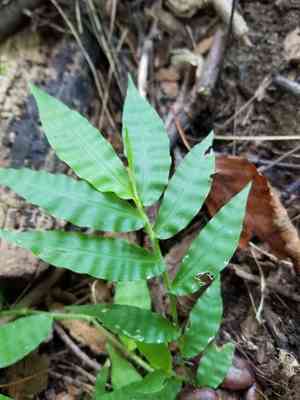
Wavy-leaf basket grass (Oplismenus undulatifolius)
Also known as: Slender panicgrass, Australian basketgrass
Wavy-leaf basket grass (Oplismenus undulatifolius) is a perennial plant indigenous to regions of Asia, Australia, and southern Africa. In these native habitats, it thrives in forest understories and shaded areas, playing a key ecological role by providing ground cover and reducing soil erosion. It also serves as a crucial food source for various butterfly species.
In This Article
Attributes of Wavy-leaf basket grass
Lifespan
Perennial
Plant Type
Grass
Plant Height
15 cm to 50 cm
Spread
15-45 cm
Leaf Color
Green
Flower Size
2 cm to 8 cm
Flower Color
White Pink
Images of Wavy-leaf basket grass
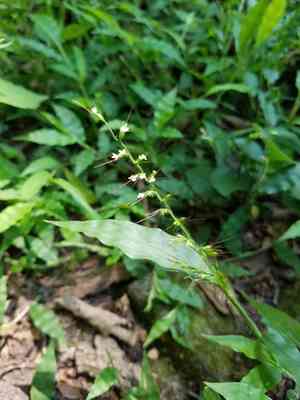
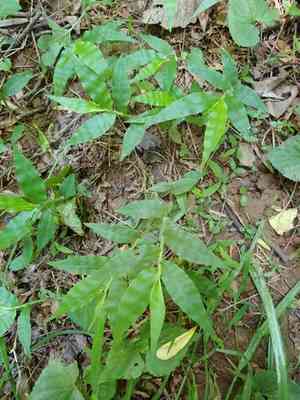
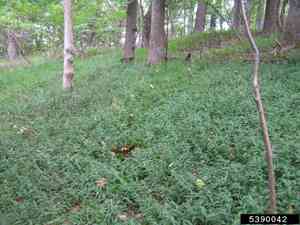
Quickly Identify Wavy-leaf basket grass
1
Wavy-edged leaves, 1.5-4 inches (4-10 cm) long, variegated with white or pale green streaks.
2
Sprawling growth habit, stems up to 2.5 feet (76 cm) long, rooting at nodes.
3
Flowers with elongated awns, reddish-purple to white, blooming in fall with pointed tips.
4
Elongated fruit grains with sticky awns for effective seed dispersal on various surfaces.
5
Thin stems, 0.1-0.2 inches (2.5-5 mm) diameter, pubescent with fine white hairs.
Scientific Classification of Wavy-leaf basket grass
Phylum
Vascular plants
Class
Monocotyledons
Order
Poales
Family
Grass
Genus
basket grass
Species
Wavy-leaf basket grass
Planting and Growing of Wavy-leaf basket grass
Care Difficulty
Easy
Watering Schedule
Every 2 days
Sunlight Requirements
Partial sun
Sunshine Duration
4-8 hours
Ideal Temperature
65-75℉
Soil Type
Potting Mix, Peat Mix
Soil pH
6.5-7.5
Fertilizer Type
Balanced
Pruning Season
Spring, Summer
Pruning Area
Branches, Leaves
Pruning Frequency
2 times a year
Repotting Season
Spring
Pot Type
Terracotta, Plastic
 How to Water Wavy-leaf basket grass?
Oplismenus undulatifolius appreciates consistent moisture, so aim for around 300ml per watering. Ensure that the water reaches down to the root zone but avoid soaking the soil completely. A well-balanced approach helps maintain the plant's lush appearance.
What are the symptoms of an underwatered Wavy-leaf basket grass?
›
What should I do if my Wavy-leaf basket grass is not getting enough water?
›
What are the symptoms of an overwatered Wavy-leaf basket grass?
›
How to save an overwatered Wavy-leaf basket grass?
›
 What Are the Sunlight Requirements for Wavy-leaf basket grass?
Partial shade is ideal for Oplismenus undulatifolius, allowing it to maintain strong growth and vivid leaf coloration without the risk of sunburn.
More About Sunlight Requirements Techniques→
What is the ideal lighting condition for Oplismenus undulatifolius?
›
How can I ensure my Oplismenus undulatifolius receives ideal light?
›
What are the benefits of ideal lighting for Oplismenus undulatifolius?
›
 What Is the Ideal Temperature Range for Wavy-leaf basket grass?
The ideal temperature range for Oplismenus undulatifolius, also known as basket grass, is between 65°F and 75°F. This range ensures optimal growth, allowing the plant to maintain healthy foliage and efficient photosynthesis. Staying within this range provides the right balance of warmth without the risk of overheating or stress due to cold conditions.
 What Soil is Best for Wavy-leaf basket grass?
Oplismenus undulatifolius thrives in well-drained soils. This facilitates proper root growth and prevents waterlogging, which can lead to root rot. The well-drained nature allows for optimal aeration, essential for the plant's health. This plant requires soil enriched with organic matter. Nutrient-rich soils supply essential minerals and nutrients, ensuring robust growth and vibrant foliage. Regularly amending the soil with compost enriches it naturally. While it appreciates consistent moisture, Oplismenus undulatifolius soil should never be soggy. Maintaining moderate moisture levels helps prevent stress from dehydration while ensuring roots aren't submerged in water, risking decay.
 How to Fertilize Wavy-leaf basket grass?
Oplismenus undulatifolius thrives with moderate fertilization. For liquid fertilizers, use a balanced 20-20-20 NPK formula. Dilute the fertilizer to half the recommended strength to avoid over-saturation and apply evenly. For slow-release fertilizers, use a granulated form that releases nutrients over time. Follow package instructions for a small plant, using around 5 grams per application.
 How to Prune Wavy-leaf basket grass?
Oplismenus undulatifolius, commonly known as woodland basket grass, should be pruned monthly to maintain its health and encourage dense, lush growth. During pruning, focus on removing dead or damaged leaves and stems. This not only helps in shaping the plant but also enhances light penetration and air circulation, which are vital for robust growth. Use clean, sharp scissors or pruning shears to make precise cuts, avoiding jagged edges that can be detrimental to the plant’s health.
More About Pruning Techniques→
 How to Propagate Wavy-leaf basket grass plant?
1
Sow the seeds in a seed starting tray filled with a well-draining soil mix. Lightly cover the seeds with soil and mist with water, keeping the tray in a warm location.
2
Select healthy stems from the parent plant, make a clean cut below a node using sharp shears, and remove the lower leaves to prepare for planting.
3
Dig up the mature plant and gently separate the roots and stems into smaller sections, each with its own root system, to plant individually.
 How to Repot Wavy-leaf basket grass plant?
1
Look for signs like roots growing out of the drainage holes, soil drying out quickly, or poor plant growth. These indicate that the plant needs more space or fresh soil to thrive. Choosing the right time ensures a smooth transition and supports healthy growth.
2
Select a pot that is one size larger than the current one with adequate drainage holes. A terracotta pot is a great choice as it allows for air exchange and prevents overwatering, helping the roots to breathe and thrive.
3
A well-draining potting mix enriched with organic matter is ideal. This type of soil provides adequate nutrition while preventing waterlogging, promoting healthy root development and vigorous growth.



