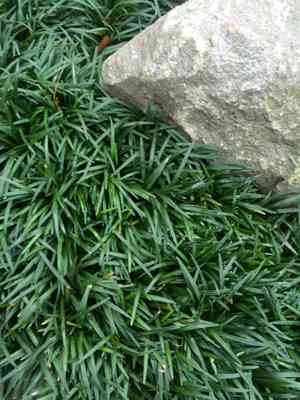
Dwarf lilyturf (Ophiopogon japonicus)
Also known as: Snake's beard, Monkeygrass
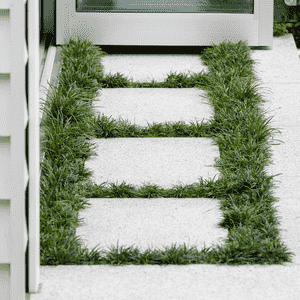
**Ophiopogon japonicus**, commonly known as mondo grass or dwarf lilyturf, is an evergreen perennial plant originating from China, Japan, India, and Vietnam. It is often cultivated for its use as ornamental ground cover and occasionally sold for use in commercial aquariums. Additionally, it has historical significance in traditional Chinese mysticism practices.
In This Article
Attributes of Dwarf lilyturf
Lifespan
Perennial
Plant Type
Herb
Plant Height
20 cm to 40 cm
Spread
30 cm to 60 cm
Leaf Color
Green
Flower Size
7 mm to 8 mm
Flower Color
White Purple Pink
Images of Dwarf lilyturf
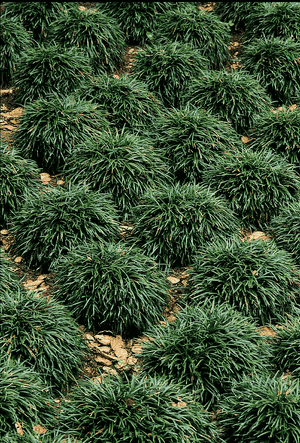
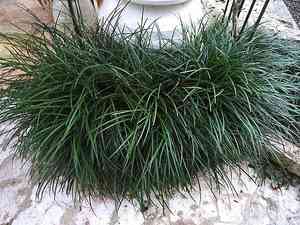
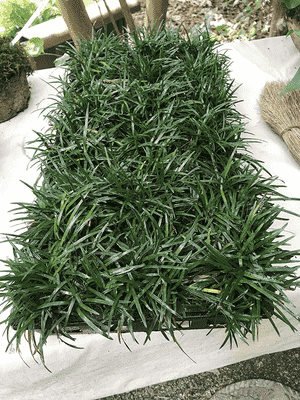
Quickly Identify Dwarf lilyturf
1
Dense mound of narrow, evergreen leaves, 6-9 inches (15-23 cm) tall.
2
Bell-shaped lilac flowers in raceme inflorescence, 4 to 14 inches (10 to 35 cm) long.
3
Eye-catching cobalt blue berries, less than 0.4 inches (1 cm) in diameter.
4
Simple, dark green linear leaves, up to 16 inches (40 cm) long, 0.2 inches (0.5 cm) wide.
5
Prominent thin stolons with branching nodes, facilitating spread and clump formation.
Scientific Classification of Dwarf lilyturf
Phylum
Vascular plants
Class
Monocotyledons
Order
Asparagus and allies
Family
Asparagus
Genus
Lilyturfs
Species
Dwarf lilyturf
Planting and Growing of Dwarf lilyturf
Care Difficulty
Easy
Watering Schedule
Every 4 days
Sunlight Requirements
Full shade
Sunshine Duration
6-10 hours
Ideal Temperature
60-75℉
Soil Type
Potting Mix, Peat Mix
Soil pH
5.5-7.5
Fertilizer Type
Balanced
Pruning Season
Spring, Summer
Pruning Area
Branches, Leaves
Pruning Frequency
2 times a year
Repotting Season
Spring
Pot Type
Plastic, Ceramic
 How to Water Dwarf lilyturf?
For Ophiopogon japonicus, it's crucial to water adequately to keep the soil consistently moist, yet not overly saturated. Each watering session should involve approximately 250 milliliters of water. This amount ensures that the soil is uniformly moistened to a depth where the roots can readily access moisture without being waterlogged.
More About Watering Techniques→
What are the symptoms of an underwatered Dwarf lilyturf?
›
What should I do if my Dwarf lilyturf is not getting enough water?
›
What are the symptoms of an overwatered Dwarf lilyturf?
›
How to save an overwatered Dwarf lilyturf?
›
 What Are the Sunlight Requirements for Dwarf lilyturf?
Partial to full shade is ideal for Ophiopogon japonicus. This range allows the plant to maintain its full, healthy appearance by avoiding direct sunlight's detrimental effects while still receiving enough lighting to sustain growth and vitality.
More About Sunlight Requirements Techniques→
What is the best lighting condition for Ophiopogon japonicus?
›
How can you achieve these ideal lighting conditions?
›
What are the benefits of providing the ideal light for this plant?
›
 What Is the Ideal Temperature Range for Dwarf lilyturf?
The ideal temperature range for growing Ophiopogon japonicus is between 60°F and 75°F. This temperature bracket ensures that the plant receives the optimal heat energy necessary for efficient photosynthesis and overall growth. Maintaining this range helps reduce stress and enhances growth rates, resulting in a healthier and more aesthetically pleasing plant.
 What Soil is Best for Dwarf lilyturf?
Ophiopogon japonicus thrives in well-drained soil to prevent root rot from excess moisture. This soil condition ensures that the plant's roots breathe easily and absorb nutrients efficiently, promoting lush, green growth. Incorporating organic matter into the soil improves its structure and nutrient-holding capacity. This aids the roots of Ophiopogon japonicus in accessing essential nutrients, thereby improving its overall health and growth consistency. The plant flourishes in moderately fertile soil. This level of fertility provides adequate nourishment without overwhelming the roots, enabling balanced growth and maintaining the plant's vigorous appearance.
More About Soil→
 How to Fertilize Dwarf lilyturf?
For Ophiopogon japonicus, the recommended fertilizer amount involves using a balanced, all-purpose fertilizer at half the strength suggested on the package. This ensures the plant receives adequate nutrients without the risk of overfeeding. Use approximately 10-15 grams of granular fertilizer per square meter for ground plantings or plants per pot, if potted, ensuring even distribution.
More About Fertilizing Techniques→
 How to Prune Dwarf lilyturf?
Prune in moderation. Avoid cutting back more than one-third of the plant at one time as this can stress the plant, leading to poor growth or vitality issues. While pruning, keep an eye out for signs of pests like mealybugs or aphids. Early detection during pruning sessions can prevent infestations from getting worse. It's best to prune in the morning or late afternoon when the sun isn't too harsh. Midday pruning can cause undue stress due to evaporation and can affect plant health. Avoid pruning immediately before heavy rain, as cuts will be prone to waterborne diseases. Ideally, opt for a dry day to prune and ensure cuts seal properly.
More About Pruning Techniques→
 How to Propagate Dwarf lilyturf plant?
1
To propagate Ophiopogon japonicus, start by preparing a well-draining potting mix rich in organic matter. Ensure that the soil is slightly acidic to neutral, creating an optimal environment for root development.
2
If propagating from seeds, sow the seeds evenly on the surface of the prepared soil. Cover them lightly with a thin layer of soil or vermiculite, maintaining moisture to support germination.
3
For division propagation, carefully dig up the plant and gently separate the roots into smaller clumps. Ensure each clump has a fair number of roots to enhance successful replanting and growth.
 How to Repot Dwarf lilyturf plant?
1
Look for signs such as roots growing out of the drainage holes, stunted growth, or a reduced rate of water absorption. These indicators suggest that your Ophiopogon japonicus is ready for a new pot with fresh soil.
2
Select a pot that is 1-2 inches larger in diameter than the current one. This ensures enough space for root growth without overwhelming the plant. A pot with drainage holes is essential to prevent waterlogging, which can lead to root rot.
3
Opt for a well-draining potting mix high in organic matter, such as one containing peat moss, perlite, and pine bark. This mix provides the proper balance of moisture retention and drainage needed to maintain plant health and vigor.



