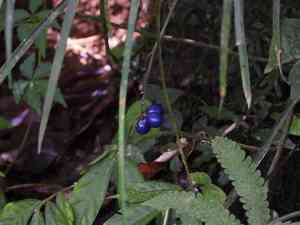
Lilyturf (Ophiopogon bodinieri)
Also known as: Green Mondo Grass, Monkey Grass
Ophiopogon bodinieri, or Bodinier's Mondo Grass, is a perennial evergreen that reaches up to 30 cm in height and spreads equally wide. In the summer, it produces small white flowers, which later give way to dark blue berries. This plant is an excellent choice for garden borders and around landscape plants. As a ground cover, it creates a dense, weed-resistant layer, adding both aesthetic appeal and functionality to garden spaces.
In This Article
Attributes of Lilyturf
Lifespan
Perennial
Plant Type
Herb
Plant Height
20 cm
Spread
60 cm
Leaf Color
Dark green
Flower Size
1 cm to 7 cm
Flower Color
White Purple
Images of Lilyturf
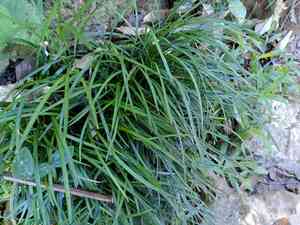
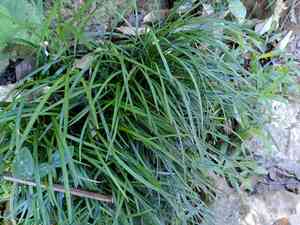

Quickly Identify Lilyturf
1
Ophiopogon bodinieri can be identified by its clumped, grass-like foliage, which is typically dark green. It produces small, purplish to blue flowers followed by small, black berries.
Scientific Classification of Lilyturf
Phylum
Vascular plants
Class
Monocotyledons
Order
Asparagus and allies
Family
Asparagus
Genus
Lilyturfs
Species
Lilyturf
Planting and Growing of Lilyturf
Care Difficulty
Easy
Watering Schedule
Every 2 days
Sunlight Requirements
Partial sun
Sunshine Duration
4-8 hours
Ideal Temperature
60-75℉
Soil Type
Potting Mix, Peat Mix
Soil pH
6.5-7.5
Fertilizer Type
Balanced
Pruning Season
Spring, Summer
Pruning Area
Branches, Leaves
Pruning Frequency
2 times a year
Repotting Season
Spring
Pot Type
Ceramic, Plastic
 How to Water Lilyturf?
Ophiopogon bodinieri prefers its soil to be kept consistently moist but not soggy. For optimal growth, water the plant with approximately 200 ml of water. Ensure that the water reaches the root level but avoid waterlogging, as extensive moisture can harm its roots.
What are the symptoms of an underwatered Lilyturf?
›
What should I do if my Lilyturf is not getting enough water?
›
What are the symptoms of an overwatered Lilyturf?
›
How to save an overwatered Lilyturf?
›
 What Are the Sunlight Requirements for Lilyturf?
Partial sun to full shade allows Ophiopogon bodinieri to flourish. Ideal lighting helps retain moisture, prevents thermal stress, and enhances leaf vibrancy, crucial for health and aesthetic appeal.
More About Sunlight Requirements Techniques→
What is the ideal lighting for Ophiopogon bodinieri?
›
How can I achieve ideal lighting for my plant?
›
What are the benefits of providing ideal light conditions?
›
 What Is the Ideal Temperature Range for Lilyturf?
Ophiopogon bodinieri thrives best within temperatures of 60 to 75°F. This range facilitates optimal growth and vitality, ensuring their rich green foliage and healthy development. Providing these consistent temperatures helps maintain the plant's metabolic and photosynthetic processes, promoting its overall health.
 What Soil is Best for Lilyturf?
Ophiopogon bodinieri thrives best in well-draining soils to prevent waterlogging, which can be detrimental to its root system. By allowing excess water to drain away, the plant's roots receive adequate oxygen, promoting healthy growth. While drainage is important, the soil should also retain some moisture to support continuous growth. A balance of moisture retention and drainage ensures that the plant has access to water when needed without becoming saturated. This plant benefits from a fertile soil enriched with organic matter or compost. Nutrient-rich soil provides essential nutrients that enhance the plant's overall health and encourage robust foliage.
 How to Fertilize Lilyturf?
For Ophiopogon bodinieri, it's crucial to apply fertilizer at half the recommended strength to avoid root burn. During the growing season, use balanced liquid fertilizer at a quarter-strength per application. Adjust the amount according to the plant's overall health and growth rate.
 How to Prune Lilyturf?
Begin by identifying and removing any dead or damaged leaves. Cut them back to the base of the plant. Removing these leaves not only improves the plant’s appearance but also prevents the spread of potential diseases. Once dead or damaged leaves are removed, focus on giving Ophiopogon bodinieri its desirable shape. Remove any excessively long or untidy growth to maintain a neat, uniform look. It’s crucial to follow the natural growth pattern while doing this. Pruning can stimulate new growth. Occasionally, trimming some healthy leaves can encourage the plant to produce new shoots. However, avoid excessive pruning as this can stress the plant.
More About Pruning Techniques→
 How to Propagate Lilyturf plant?
1
Ensure the soil is well-drained and rich in organic matter. Preparing the right soil mix encourages healthy root development, which is crucial for successful plant propagation.
2
Sow seeds thinly on the surface of the soil and lightly cover them with soil. Keep the soil consistently moist, but not waterlogged, to enhance germination rates.
3
For division propagation, choose well-developed, mature clumps. Carefully dig around the plant and gently tease apart the roots, ensuring each section has a viable root system.
 How to Repot Lilyturf plant?
1
Look for roots coming out of the drainage holes or circling the pot. These are signs that Ophiopogon bodinieri has outgrown its container. Repotting during early spring or summer allows the plant to settle in with optimal growing conditions.
2
Select a pot slightly larger than the current one, ideally 1-2 inches in diameter larger. This ensures the plant has room to grow, but not so much space that the soil remains too wet, which could lead to root rot.
3
Use a well-draining garden soil with good moisture retention but without waterlogging. This helps in maintaining the right moisture level around roots, preventing overwatering or dehydration.



