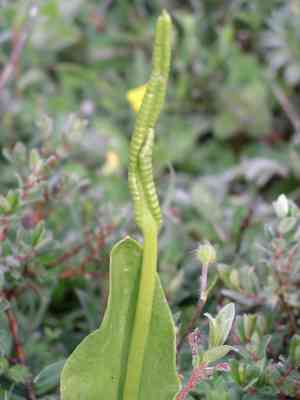
Adder's-tongue ferns (Ophioglossum) (Ophioglossum)
Also known as: Adder's-tongues
Adder's-tongue ferns are named for their unique, tongue-like spore-bearing spike, which looks similar to a snake's tongue. These ferns typically remain underground as dormant rhizomes and only produce their foliage and spore structures during the reproductive season in the summer.
In This Article
Attributes of Adder's-tongue ferns (Ophioglossum)
Lifespan
Perennial
Plant Height
10-30 cm
Spread
N/A
Leaf Color
Green
Flower Size
N/A
Flower Color
N/A
Images of Adder's-tongue ferns (Ophioglossum)
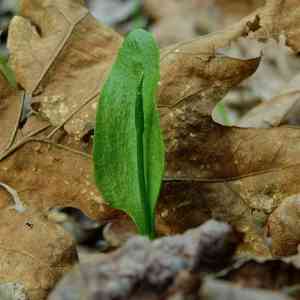
Quickly Identify Adder's-tongue ferns (Ophioglossum)
1
To identify Ophioglossum, look for a single leaf (frond) above ground with a spore-bearing spike, which appears distinct and tongue-like. The leaf and the spike emerge directly from a subterranean stem (rhizome).
Scientific Classification of Adder's-tongue ferns (Ophioglossum)
Phylum
Pteridophyta
Class
Polypodiopsida
Order
Ophioglossales
Family
Ophioglossaceae
Genus
Ophioglossum
Planting and Growing of Adder's-tongue ferns (Ophioglossum)
Care Difficulty
Hard
Watering Schedule
Every 2 days
Sunlight Requirements
Partial sun
Sunshine Duration
6-10 hours
Ideal Temperature
65-75℉
Soil Type
Potting Mix, Peat Mix
Soil pH
6-7.5
Fertilizer Type
Balanced
Pruning Season
Spring, Summer
Pruning Area
Branches, Leaves
Pruning Frequency
2 times a year
Repotting Season
Spring
Pot Type
Plastic, Ceramic
 How to Water Adder's-tongue ferns (Ophioglossum)?
Ophioglossum prefers its soil to be slightly moist but not waterlogged. You should aim to water just enough to keep the top layer of soil visibly damp, usually around 200 ml per session. The idea is to mimic the damp forest floors they naturally thrive on without causing root rot.
What are the symptoms of an underwatered Adder's-tongue ferns (Ophioglossum)?
›
What should I do if my Adder's-tongue ferns (Ophioglossum) is not getting enough water?
›
What are the symptoms of an overwatered Adder's-tongue ferns (Ophioglossum)?
›
How to save an overwatered Adder's-tongue ferns (Ophioglossum)?
›
 What Are the Sunlight Requirements for Adder's-tongue ferns (Ophioglossum)?
Partial shade is ideal, with Ophioglossum benefiting from 4 to 6 hours of indirect filtered light. This range ensures balanced development and prevents stress-induced leaf damage.
What is the best lighting condition for Ophioglossum?
›
How can you achieve ideal lighting for Ophioglossum?
›
What are the benefits of ideal lighting for Ophioglossum?
›
 What Is the Ideal Temperature Range for Adder's-tongue ferns (Ophioglossum)?
Ophioglossum thrives best in a temperature range of 65°F to 75°F. This range ensures optimal growth and health, providing the necessary warmth without risking the stress of excessive heat. Consistent temperatures within this range support the plant's normal physiological processes, ensuring vibrant foliage and smooth growth.
 What Soil is Best for Adder's-tongue ferns (Ophioglossum)?
Ophioglossum thrives in soil that retains moisture well. This requirement ensures that the plant continuously has access to water, which is crucial for its survival, given its preference for damp and humid environments. While moisture is vital, the soil must also allow excess water to drain efficiently. This prevents root rot, which can occur if the roots remain in waterlogged conditions for prolonged periods. A soil abundant in organic matter provides necessary nutrients that promote healthy growth. Such soils support the development of robust foliage and facilitate the healthy lifecycle of the plant.
 How to Fertilize Adder's-tongue ferns (Ophioglossum)?
For Ophioglossum, the fertilizer amount should be modest as the plant doesn't require heavy nutrients. A diluted liquid fertilizer, at a 1/4 strength recommended for houseplants, should suffice. Too much fertilizer can harm this delicate fern, so always err on the side of caution.
 How to Prune Adder's-tongue ferns (Ophioglossum)?
Before pruning, identify any dead or yellowing fronds. Trimming these back to the base of the plant encourages healthy growth. Additionally, cut away any fronds that appear damaged or diseased.
 How to Propagate Adder's-tongue ferns (Ophioglossum) plant?
1
Begin by collecting mature spores from the parent plant. Sterilize the seeds by soaking them in a mild bleach solution for a few minutes. Rinse thoroughly with water and let them dry before sowing in a sterile seed tray with a fine, well-draining substrate.
2
Gently dig up the mature plant in early spring or late autumn. Use a sharp knife or spade to carefully cut the rhizomes into smaller sections, making sure each section has at least one frond and a part of the rhizome. Replant the divisions immediately to encourage successful establishment.
3
Once the spores or divided sections are planted, maintain constant moisture and a shaded environment to prevent drying out. This is crucial in the initial stages until the young plants have established a healthy root system.
 How to Repot Adder's-tongue ferns (Ophioglossum) plant?
1
Ophioglossum should be repotted when you notice the roots are crowded, protruding through drainage holes, or when the plant appears top-heavy and unstable. Another sign could be slowed growth, indicating it's time for a fresh start in a new pot with nutritious soil.
2
Selecting a pot for Ophioglossum should consider size, material, and drainage capabilities. Ensure the pot is only slightly larger than the current one to prevent waterlogging. Materials like terracotta help in maintaining optimal moisture levels while allowing the roots to breathe.
3
The ideal soil mix for repotting Ophioglossum is a well-draining, slightly acidic medium. A blend of peat, perlite, and a bit of sand ensures roots won't stand in excess water, which can lead to rot, and provides essential nutrients for robust growth.

