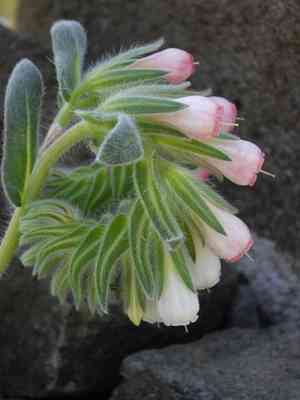
Onosma (Onosma) (Onosma)
Also known as: Golden Drop, Henbane Borage
Anchusa is a genus of flowering plants within the Boraginaceae family. These plants are indigenous to the Mediterranean region and western Asia.
In This Article
Attributes of Onosma (Onosma)
Lifespan
Biennial
Plant Height
30 to 60 cm (12 to 24 inches)
Spread
Not typically measured due to herbaceous nature
Leaf Color
Green
Flower Size
1 to 2 cm (0.4 to 0.8 inches)
Flower Color
Yellow, pink, purple
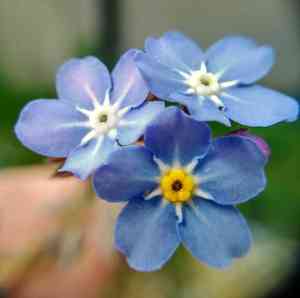
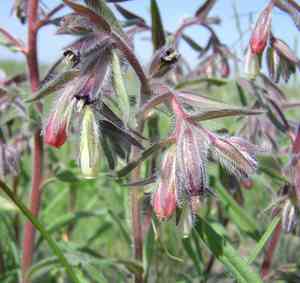
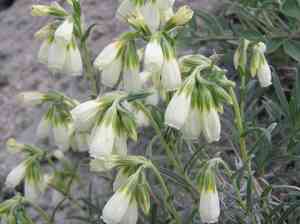
Images of Onosma (Onosma)
Quickly Identify Onosma (Onosma)
1
Onosma can be identified by their hairy leaves, tubular flowers that come in shades of yellow, pink, and purple, and their preference for rocky or dry habitats.
Scientific Classification of Onosma (Onosma)
Phylum
Magnoliophyta
Class
Magnoliopsida
Order
Boraginales
Family
Boraginaceae
Genus
Onosma
Planting and Growing of Onosma (Onosma)
Care Difficulty
Moderate
Watering Schedule
Every 2 days
Sunlight Requirements
Full sun
Sunshine Duration
6-10 hours
Ideal Temperature
65-75℉
Soil Type
Potting Mix, Peat Mix
Soil pH
6.5-7.5
Fertilizer Type
Balanced
Pruning Season
Spring, Summer
Pruning Area
Branches, Leaves
Pruning Frequency
2 times a year
Repotting Season
Spring
Pot Type
Plastic, Ceramic
 How to Water Onosma (Onosma)?
For Onosma, maintaining consistent moisture is key, but excess water can lead to root issues. Aim to saturate the soil without causing water to pool. This typically means adding about 300 ml of water each session, ensuring it infiltrates deeply into the soil while the surface dries between waterings.
What are the symptoms of an underwatered Onosma (Onosma)?
›
What should I do if my Onosma (Onosma) is not getting enough water?
›
What are the symptoms of an overwatered Onosma (Onosma)?
›
How to save an overwatered Onosma (Onosma)?
›
 What Are the Sunlight Requirements for Onosma (Onosma)?
Full to partial sun conditions are perfect for Onosma, ensuring between 6 and 8 hours of sunlight. This exposure promotes dense leaf formation, vibrant flowering, and optimal plant metabolism.
Optimal Light Exposure
›
Solutions for Ideal Lighting
›
Benefits of Ideal Lighting
›
 What Is the Ideal Temperature Range for Onosma (Onosma)?
Onosma plants thrive best in a temperature range between 65°F and 75°F. This range allows them to maintain optimal photosynthesis and metabolic functions, promoting healthy growth and flowering. Temperatures outside this range may stress the plant, leading to stunted growth or other health issues.
 What Soil is Best for Onosma (Onosma)?
Onosma plants thrive in well-draining soils that prevent waterlogging, which can lead to root rot. Ensuring proper drainage allows the roots to access oxygen, keeping the plant healthy and promoting vigorous growth. Although Onosma can tolerate poor soil conditions, a nutrient-rich substrate supports better flowering and healthier foliage. Amending the soil with organic matter can enhance the plant's growth by providing essential nutrients. The soil should retain enough moisture to support Onosma's growth but not become waterlogged. A balance between moisture retention and drainage is key to prevent drought stress, ensuring the plant remains robust during dry spells.
 How to Fertilize Onosma (Onosma)?
Onosma requires a balanced approach to fertilizing. Liquid fertilizers should be applied at half strength to avoid over-fertilizing the plant. For slow-release granules, a light sprinkling sufficient to cover the soil surface without overwhelming it is ideal.
 How to Prune Onosma (Onosma)?
Begin by inspecting the Onosma for any dead or leggy growth. Make clean cuts at a slight angle just above a healthy bud or leaf node. Focus also on removing any crossing branches to improve light penetration and air circulation, which is vital for overall plant health. After pruning, support your Onosma's recovery with suitable aftercare. Water the plant adequately and ensure it has enough nutrients, particularly if you have removed a significant portion of its growth.
 How to Propagate Onosma (Onosma) plant?
1
Prepare the seeds by soaking them in warm water for 24 hours. This process helps break seed dormancy by softening the seed coat, improving the chances of successful germination.
2
Select healthy stems that are disease-free and cut them just below a node. Each cutting should ideally be about 3-5 inches long to ensure ample energy storage for successful rooting.
3
When dividing mature Onosma plants, carefully separate clumps using a sharp spade or knife. Each division should contain multiple shoots and a healthy root system to boost survival rates upon replanting.
 How to Repot Onosma (Onosma) plant?
1
The ideal time to repot Onosma is when the roots start peeking out of the drainage holes, or the plant shows stunted growth despite adequate watering and fertilization. These are clear indicators that the plant is outgrowing its current pot and requires more space to thrive.
2
Select a pot that is one to two inches larger in diameter than the current one. This ensures the plant has enough room to grow without overwhelming its root system. A pot with drainage holes is essential to prevent water accumulation, reducing the risk of root rot and encouraging healthy root growth.
3
Opt for a well-drained sandy soil mix to replicate Onosma's natural habitats. This soil ensures adequate drainage, preventing waterlogging, and allows air circulation to the roots, promoting robust growth. The sandy texture mimics native conditions, aiding the plant's adaptation.
Toxicity
ingestion
WARNING
The judgment on toxicity and danger is for reference only. We DO NOT GUARANTEE any accuracy of such judgment. Therefore, you SHALL NOT rely on such judgment. It is IMPORTANT TO SEEK PROFESSIONAL ADVICE in advance when necessary.

