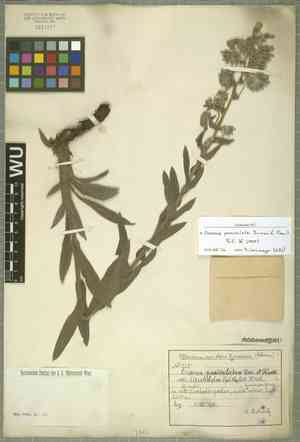
Redroot gromwell (Onosma paniculatum)
Also known as: None
Dyer's Woad is a biennial herb of modest size, thriving on dry mountain slopes at moderate to high elevations, frequently near the edges of forests. Its leaves yield a blue dye traditionally used for coloring wool.
In This Article
Attributes of Redroot gromwell
Lifespan
Biennial
Plant Type
Herb
Plant Height
40 cm to 80 cm
Spread
Varies, typically around 30 cm
Leaf Color
Green
Flower Size
30 cm
Flower Color
White Yellow Pink Purple Red
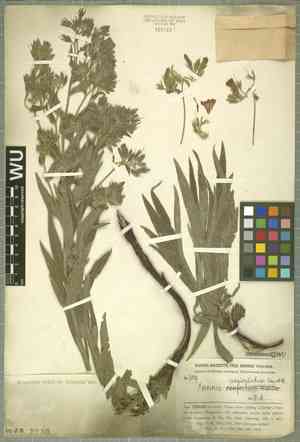
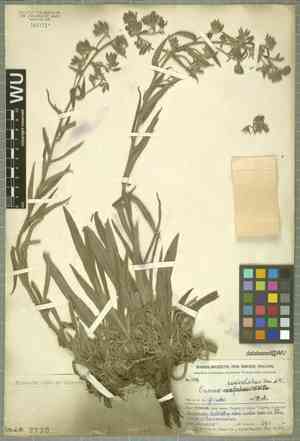
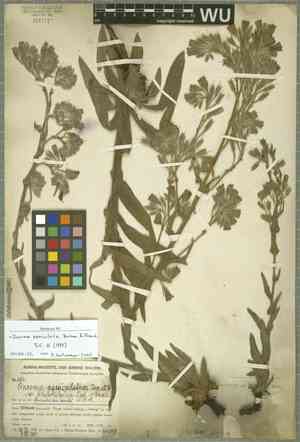
Images of Redroot gromwell
Quickly Identify Redroot gromwell
1
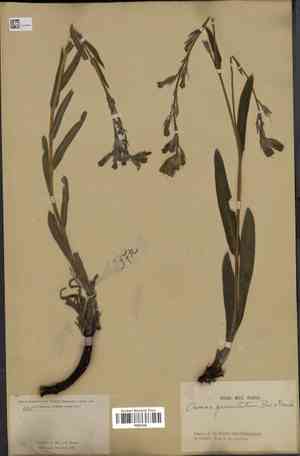
Onosma paniculatum can be identified by its elongated leaves, bell-shaped yellow flowers, and rough hairy texture. The plant often grows in clusters and can be found in rocky or sandy soils.
Scientific Classification of Redroot gromwell
Phylum
Vascular plants
Class
Dicotyledons
Order
Boraginales
Family
Borage
Genus
Onosma
Species
Redroot gromwell
Planting and Growing of Redroot gromwell
Care Difficulty
Easy
Watering Schedule
Every 2 days
Sunlight Requirements
Full sun
Sunshine Duration
4-8 hours
Ideal Temperature
60-75℉
Soil Type
Potting Mix, Peat Mix
Soil pH
6.5-7.5
Fertilizer Type
Balanced
Pruning Season
Spring, Summer
Pruning Area
Branches, Leaves
Pruning Frequency
2 times a year
Repotting Season
Spring
Pot Type
Terracotta, Plastic
 How to Water Redroot gromwell?
Onosma paniculatum thrives on careful watering. Aim for 150 ml per session, ensuring the soil remains moistened but never soggy. The root area should be damp to promote healthy growth but be cautious of waterlogging.
What are the symptoms of an underwatered Redroot gromwell?
›
What should I do if my Redroot gromwell is not getting enough water?
›
What are the symptoms of an overwatered Redroot gromwell?
›
How to save an overwatered Redroot gromwell?
›
 What Are the Sunlight Requirements for Redroot gromwell?
Onosma paniculatum benefits from full to partial sun exposure. This enhances its flowering capacity and promotes robust growth. Such light conditions also result in vibrant foliage and an overall healthier plant life cycle.
Optimal Sun Exposure
›
Solution for Ideal Lighting
›
Benefits of Ideal Sunlight
›
 What Is the Ideal Temperature Range for Redroot gromwell?
The ideal temperature range for Onosma paniculatum cultivation lies between 60°F and 75°F. This range ensures optimal growth and flowering. These temperatures are well-suited for supporting the plant's metabolic processes, ensuring that enzymatic activities necessary for development proceed at an ideal rate.
 What Soil is Best for Redroot gromwell?
Onosma paniculatum thrives in well-drained soils, preventing root rot by avoiding waterlogged conditions. This keeps the roots healthy and ensures optimal nutrient uptake. While not overly demanding, this plant prefers soils with a moderate nutrient content. It benefits from balanced soil fertility, promoting steady growth and vibrant blossoms. Preferring a pH range between 6.5 and 7.5, Onosma paniculatum enjoys soils that are neither too acidic nor too alkaline, ensuring optimal nutrient availability and absorption.
 How to Fertilize Redroot gromwell?
When it comes to Onosma paniculatum, the right amount of fertilizer is crucial for promoting healthy growth. For liquid fertilizers, dilute as per instructions and apply 100 ml per plant. For solid fertilizers, use around 30 grams per square meter to ensure the roots receive adequate nutrients without overloading the soil.
 How to Prune Redroot gromwell?
Begin pruning Onosma paniculatum in early spring just as new growth is starting. Use a pair of sharp, sterilized pruning shears to cut back any dead or damaged stems to promote healthy growth. Focus on removing the oldest stems at soil level to allow space for new stems, which will support vibrant flowering. Aim to maintain the natural shape of the plant while ensuring good air circulation through its structure. Always angle your cuts slightly downward and away from any buds to prevent water accumulation, which can lead to rot. This will result in a robust plant ready to flaunt a profusion of blooms.
More About Pruning Techniques→
 How to Propagate Redroot gromwell plant?
1
Fill a seed tray with a mixture of peat and coarse sand to ensure good drainage. Water the mixture lightly before sowing the seeds.
2
Scatter the seeds evenly over the surface of the soil. Gently press them into the soil but do not cover them completely, as they need light for germination.
3
Choose healthy, non-flowering shoots and cut approximately 10cm from the parent plant. Remove lower leaves and dip in rooting hormone before planting.
 How to Repot Redroot gromwell plant?
1
Onosma paniculatum should be repotted when you notice roots poking through the drainage holes or the plant appearing root-bound at the surface. Additionally, if the soil composition has degraded or is retaining too much water, it's time for new soil.
2
Select a pot that is 1-2 inches larger in diameter than the current one to allow sufficient space for root expansion. A pot with adequate drainage holes will prevent water accumulation and root rot, ensuring healthy development.
3
Utilize a well-draining gritty soil mix that mimics the natural rocky environment this plant thrives in. Such soil ensures roots are aerated and excess moisture is swiftly drained, thus preventing root diseases.
Learn More About Redroot gromwell Diseases
Anthracnose
Bacterial Leaf Spot
Bacterial Wilt
Black Spot
Chemical Injury
Crown Gall
Cyst Nematode
Damping-off
Downy Mildew
Drought Stress
Fusarium Wilt
Gray Mold
Leaf Curl
Leaf Spot
Mosaic
Nutrient Deficiency
Nutrient Toxicity
Powdery Mildew
Root Rot
Root-knot Nematode
Rusts
Sooty Mold
Spider Mites
Temperature Stress
Thrips Damage
White Mold



