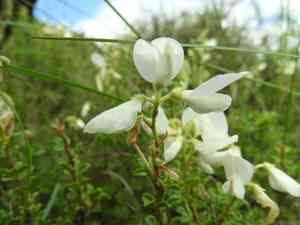
Shrubby restharrow (Ononis fruticosa)
Also known as: Ononis, Spiny Restharrow
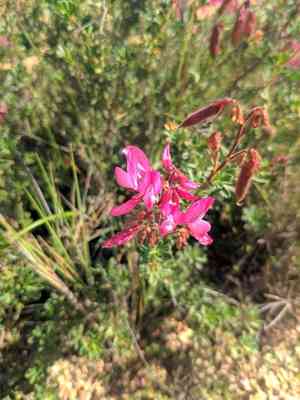
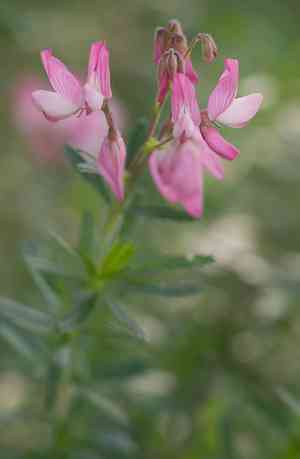
The shrub, characterized by its branched and woody stems, reaches a height of 30 to 100 cm. Its leaves are composed of three narrow, toothed leaflets, with two stipules at the base of the petiole that envelop the stem. The flowers, which are purple-pink, appear in clusters of two or three at the stem's apex. Each flower has five free petals: the upper petal (standard) is upright and veined, while the two lateral petals (wings) overlap the two lower petals.
In This Article
Attributes of Shrubby restharrow
Lifespan
Perennial
Plant Type
Shrub
Plant Height
Up to 1 meter
Spread
Approximately 1 meter
Leaf Color
Green
Flower Size
1-2 cm
Flower Color
Purple Pink
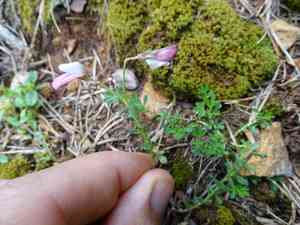
Images of Shrubby restharrow
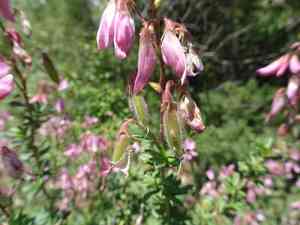
Quickly Identify Shrubby restharrow
1
To identify Ononis fruticosa, look for its characteristic spines and small, pink to purple flowers. The leaves are typically trifoliate, with small leaflets.
Scientific Classification of Shrubby restharrow
Phylum
Vascular plants
Class
Dicotyledons
Order
Fabales
Family
Legume
Genus
Ononis
Species
Shrubby restharrow
Planting and Growing of Shrubby restharrow
Care Difficulty
Easy
Watering Schedule
Every 2 days
Sunlight Requirements
Full sun
Sunshine Duration
4-8 hours
Ideal Temperature
60-75℉
Soil Type
Potting Mix, Peat Mix
Soil pH
6.5-7.5
Fertilizer Type
Balanced
Pruning Season
Spring, Summer
Pruning Area
Branches, Leaves
Pruning Frequency
2 times a year
Repotting Season
Spring
Pot Type
Plastic, Ceramic
 How to Water Shrubby restharrow?
Ononis fruticosa, also known as shrub restharrow, should be watered with approximately 500 milliliters each time. This amount ensures that the soil is moist but not overly saturated, providing a consistent environment that mimics its natural habitat. Aim to wet the soil thoroughly and allow excess water to drain away, but do not let the plant sit in standing water.
What are the symptoms of an underwatered Shrubby restharrow?
›
What should I do if my Shrubby restharrow is not getting enough water?
›
What are the symptoms of an overwatered Shrubby restharrow?
›
How to save an overwatered Shrubby restharrow?
›
 What Are the Sunlight Requirements for Shrubby restharrow?
Ononis fruticosa thrives best when exposed to full sunlight to partial sunlight for 6 to 8 hours daily. Ideal light conditions promote robust growth, abundant flowering, and healthy foliage.
Preferred Light Levels
›
How to Achieve Ideal Lighting
›
Benefits of Ideal Lighting
›
 What Is the Ideal Temperature Range for Shrubby restharrow?
Ononis fruticosa thrives best in temperatures between 60°F and 75°F. This range ensures optimal growth rates and health of the plant. Falling within this range, the plant can photosynthesize efficiently, develop proper leaf structure, and resist common diseases. The consistent warm temperatures facilitate metabolic processes that promote blooming and overall vitality.
 What Soil is Best for Shrubby restharrow?
Ononis fruticosa thrives best in well-drained soils to prevent waterlogging, which can cause root rot. Ensuring proper drainage bolsters root health and promotes vigorous growth. This plant benefits significantly from soils rich in organic matter, providing essential nutrients that encourage lush foliage and vibrant blooms. While Ononis fruticosa prefers well-drained soil, it also benefits from moderate moisture levels to sustain steady growth and flower production.
 How to Fertilize Shrubby restharrow?
Ononis fruticosa, also known as the Shrubby Restharrow, requires a balanced fertilization approach. Use a balanced 10-10-10 NPK liquid fertilizer. When applying, ensure that each plant receives around 10-20 milliliters of fertilizer mixed with water. This amount supports healthy growth and flowering, but avoid exceeding 20 milliliters as it could lead to nutrient imbalances.
 How to Prune Shrubby restharrow?
Begin by examining the plant for any dead, diseased, or damaged branches. Removing these ensures the plant directs energy to healthy growth. Trim branches selectively to create a balanced shape. Cut just above a bud that faces the desired growth direction to encourage outward and even growth. Remove any densely packed inner branches to promote air circulation within the plant, which helps reduce the risk of fungal diseases.
More About Pruning Techniques→
 How to Propagate Shrubby restharrow plant?
1
Scarify the seeds by gently rubbing them with sandpaper. This helps in breaking the seed dormancy and promotes quicker germination.
2
Select healthy stems from a mature Ononis fruticosa plant. Cut just below a node, making sure each cutting is about 4-6 inches long.
3
Use a mixture of sand and loam. This ensures the mixture is free-draining, which is crucial for preventing rot while seeds and cuttings establish roots.
 How to Repot Shrubby restharrow plant?
1
Ononis fruticosa reveals its need for repotting when you notice roots creeping out of the drainage holes or the soil drying out unusually fast. These signs indicate the plant has outgrown its current pot. Seasonal changes in root behavior during growth periods like spring and autumn also warrant a repotting session. Maintaining optimal growth conditions by repotting keeps the plant healthy and thriving.
2
Select a pot that is one size larger than the current one, ensuring it has ample drainage holes. A clay or terracotta pot is ideal, as it allows the soil to dry out between waterings, which is crucial for Ononis fruticosa's roots. This not only prevents root rot but also supports aeration, promoting healthier root growth and stability for the plant.
3
Opt for a well-drained, sandy soil mix that maintains the balance of moisture and aeration necessary for Ononis fruticosa. The sandy texture prevents waterlogging, a condition this plant is susceptible to. Quality soil encourages robust root development, minimizing stress post-repotting and aiding in nutrient absorption.
Learn More About Shrubby restharrow Diseases
Anthracnose
Bacterial Leaf Spot
Bacterial Wilt
Crown Gall
Cyst Nematode
Damping-off
Downy Mildew
Drought Stress
Fusarium Wilt
Gray Mold
Leaf Curl
Leaf Spot
Mosaic
Nutrient Deficiency
Nutrient Toxicity
Powdery Mildew
Root Rot
Root-knot Nematode
Rusts
Sooty Mold
Spider Mites
Temperature Stress
Thrips Damage
White Mold



