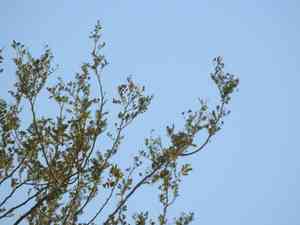
Ironwood (Olneya) (Olneya)
Also known as: Desert ironwood
The genus Ironwood consists of a single species, Olneya tesota. This medium-sized tree is renowned for its extremely dense wood, which is so heavy that it sinks in water. The durable wood is prized for wood-carving. Olneya tesota is commonly found in the Sonoran Desert.
In This Article
Attributes of Ironwood (Olneya)
Lifespan
Perennial
Plant Height
5-10 meters
Spread
3-8 meters
Leaf Color
Green
Flower Size
1-2 centimeters
Flower Color
Purple, Pink
Images of Ironwood (Olneya)
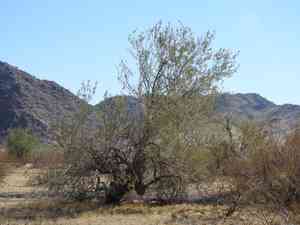
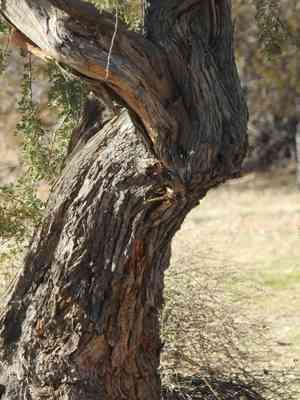
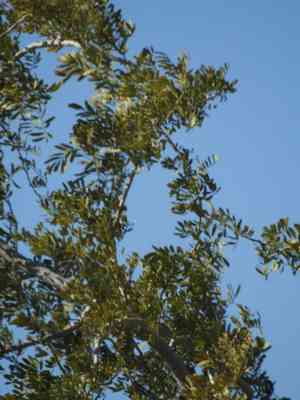
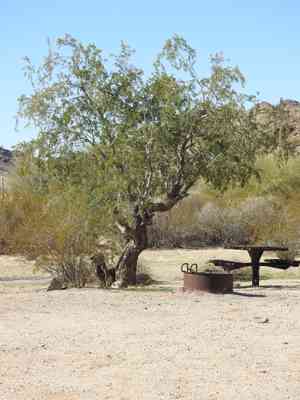
Quickly Identify Ironwood (Olneya)
1
Identifying Olneya involves looking for a tree with a gray bark that becomes more fissured with age. It also has pinnate leaves with small leaflets and purple to pink flowers that bloom in clusters.
Scientific Classification of Ironwood (Olneya)
Phylum
Magnoliophyta
Class
Magnoliopsida
Order
Fabales
Family
Fabaceae
Genus
Olneya
Planting and Growing of Ironwood (Olneya)
Care Difficulty
Moderate
Watering Schedule
Every day
Sunlight Requirements
Full sun
Sunshine Duration
6-10 hours
Ideal Temperature
60-85℉
Soil Type
Potting Mix, Peat Mix
Soil pH
6.5-7.5
Fertilizer Type
Balanced
Pruning Season
Spring, Summer
Pruning Area
Branches, Leaves
Pruning Frequency
2 times a year
Repotting Season
Spring
Pot Type
Plastic, Ceramic
 How to Water Ironwood (Olneya)?
Olneya, known as the Ironwood tree, thrives with minimal water. During its active growing season, ensure the soil is moistened to a depth of around 30 centimeters. This ensures that the roots are adequately hydrated without being waterlogged, matching its desert habitat needs.
What are the symptoms of an underwatered Ironwood (Olneya)?
›
What should I do if my Ironwood (Olneya) is not getting enough water?
›
What are the symptoms of an overwatered Ironwood (Olneya)?
›
How to save an overwatered Ironwood (Olneya)?
›
 What Are the Sunlight Requirements for Ironwood (Olneya)?
Olneya thrives in full sun conditions, with ideal exposure ranging from full day to at least six hours. Adequate light ensures its energetic needs are met, promoting lush growth and resistance to environmental stresses.
What is the ideal light condition for Olneya?
›
How can I ensure my Olneya receives its ideal light?
›
What benefits does Olneya receive from ideal lighting?
›
 What Is the Ideal Temperature Range for Ironwood (Olneya)?
What is the best temperature range for growing Olneya? The ideal temperature range for Olneya, commonly known as the Desert Ironwood, is between 60°F and 85°F. These temperatures replicate the natural conditions found in its native habitat, providing a balance that encourages healthy growth and vitality. By maintaining consistent temperatures within this range, you ensure the ideal environment for the plant's metabolic functions, leading to lush foliage and optimal development.
 What Soil is Best for Ironwood (Olneya)?
Olneya thrives in soils that provide excellent drainage. This quality prevents root rot and other moisture-related diseases, ensuring the plant maintains optimal health and robust growth, especially in arid environments. It prefers soils with moderate nutrient levels, avoiding overly fertile conditions. Excessive nutrients can lead to weak growth by promoting too many leaves at the expense of structural stability, a balance crucial for thriving in desert climates. A soil pH between 6.5 and 7.5 is ideal, providing a balanced availability of micronutrients. Maintaining this pH range supports metabolic functions, promoting lush foliage and vigorous blooms typical to its natural habitat.
 How to Fertilize Ironwood (Olneya)?
Olneya, known as desert ironwood, thrives in nutrient-poor environments. Apply liquid fertilizer at a half-strength to avoid over-fertilization. For slow-release fertilizers, use a small, localized amount around the base, equivalent to a tablespoon per square foot annually, ensuring it doesn’t disrupt the natural nutrient balance.
 How to Prune Ironwood (Olneya)?
Before pruning, evaluate the overall shape and health of the Olneya. Identify dead, damaged, or diseased branches which are priority for removal. This will open up the plant and promote healthy growth. Start by removing any dead, diseased, or brittle wood. Make your cuts at a slight angle to prevent water accumulation on the cut surfaces. Trim back crossing branches to maintain structural integrity and improve airflow, focusing on preserving the plant’s natural shape.
 How to Propagate Ironwood (Olneya) plant?
1
Prepare a well-draining soil mixture, ideally sandy or loamy, to promote root development. Adding perlite or sand to the soil can enhance drainage, which is crucial for Olneya.
2
Plant seeds just beneath the soil surface or insert cuttings into the soil at a slight angle. Ensure they are firm and water the soil lightly to encourage initial root establishment.
3
Water the plants regularly but avoid overwatering, as it can lead to root rot. Ensure they are exposed to adequate sunlight and maintain a warm temperature for optimal growth.
 How to Repot Ironwood (Olneya) plant?
1
Olneya should be repotted when roots start to outgrow the current pot, typically visible through drainage holes, or when the soil loses its efficacy in draining well. You might also notice slowed growth or yellowing leaves as signs.
2
Choose a pot that is one size larger than the current pot with excellent drainage. This ensures ample space for future growth and prevents root rot by allowing excess water to escape, critical for desert plants like Olneya.
3
Select a well-draining cactus mix, combining elements like pumice, perlite, and coarse sand. This blend supports fast draining and prevents water retention, mimicking arid conditions Olneya thrives in naturally.
Learn More About Ironwood (Olneya) Diseases
Bacterial Leaf Spot
Bacterial Soft Rot
Bacterial Wilt
Crown Gall
Cyst Nematode
Damping-off
Drought Stress
Fusarium Wilt
Gray Mold
Leaf Spot
Mosaic
Nutrient Deficiency
Nutrient Toxicity
Powdery Mildew
Root Rot
Root-knot Nematode
Rusts
Sooty Mold
Spider Mites
Temperature Stress
Thrips Damage
White Mold

