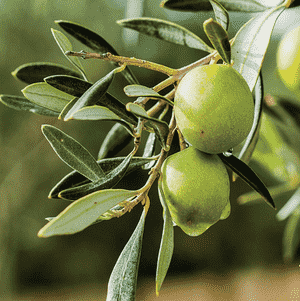
Olive (Olea europaea)
Also known as: Indian olive, Wild-olive
The olive tree (Olea europaea) is a significant evergreen species in Mediterranean agriculture, valued for its edible fruits that are extensively used to produce oil. Throughout its long history, the olive tree has come to symbolize several important concepts, most notably peace and glory, often represented by an olive branch.
In This Article
Attributes of Olive
Lifespan
Perennial
Plant Type
Tree, Shrub
Plant Height
4 m to 15 m
Spread
8 m
Leaf Color
Green Silver Gray
Flower Size
2 cm to 4 cm
Flower Color
White Yellow
Images of Olive
Quickly Identify Olive
1
Evergreen plant with slow growth, reaching 20-30 feet (6-9 meters) in height and displaying a distinct rounded crown.
2
Leaves are grayish-green on top, silvery underneath, elliptical to lanceolate, and 3 inches (7.5 cm) long.
3
Small, aromatic white flowers in 2-inch-long (5 cm) panicles, blooming in summer, aiding in identification.
4
Oval drupes initially green, maturing to purplish-black, about 1.5 inches (3.8 cm) in length.
5
Gnarled and twisted stems ranging from slender branches to 1-foot (30 cm) diameter trunks, with irregular branching pattern.
Scientific Classification of Olive
Phylum
Vascular plants
Class
Dicotyledons
Order
Mints plantains olives and allies
Family
Olive
Genus
Olea
Species
Olive
Planting and Growing of Olive
Care Difficulty
Easy
Watering Schedule
Every 3 days
Sunlight Requirements
Full sun
Sunshine Duration
6-10 hours
Ideal Temperature
68-86℉
Soil Type
Potting Mix, Peat Mix
Soil pH
6.5-7.5
Fertilizer Type
Balanced
Pruning Season
Spring, Summer
Pruning Area
Branches, Leaves
Pruning Frequency
2 times a year
Repotting Season
Spring
Pot Type
Plastic, Ceramic
 How to Water Olive?
For Olea europaea, or the olive tree, it is important to maintain a consistent watering schedule that simulates its natural Mediterranean habitat. Typically, watering should deeply soak the soil but ensure it's well-drained. Generally, around 500 milliliters per watering should suffice but be sure to allow the soil to dry somewhat between waterings to prevent waterlogging.
More About Watering Techniques→
What are the symptoms of an underwatered Olive?
›
What should I do if my Olive is not getting enough water?
›
What are the symptoms of an overwatered Olive?
›
How to save an overwatered Olive?
›
 What Are the Sunlight Requirements for Olive?
The ideal light range for Olea europaea is full-day sunlight. Prolonged exposure to bright conditions results in more olive production, better photosynthetic efficiency, and overall healthier plants.
More About Sunlight Requirements Techniques→
What is the ideal sunlight for Olea europaea?
›
How can you ensure optimal sunlight conditions?
›
What benefits does ideal sunlight provide?
›
 What Is the Ideal Temperature Range for Olive?
Olea europaea, commonly known as the olive tree, thrives best in temperatures ranging between 68°F and 86°F. This range provides an environment conducive to growth and fruit production. Outside of this ideal range, physiological processes may slow, and the plant might experience stress. It is important for growers to maintain these temperatures to ensure healthy development and optimal yield.
 What Soil is Best for Olive?
Olea europaea thrives in well-drained soils, crucial for preventing root rot and ensuring healthy growth. Adequate drainage helps in avoiding waterlogged conditions that can harm the plant's root system. This plant prefers soils rich in essential nutrients to flourish properly. Nutrient-rich soils provide the necessary elements for robust growth and increased fruit yield. Soil with moderate moisture retention is ideal for Olea europaea, ensuring that it retains enough water for growth without becoming waterlogged, supporting its resilience to drought.
More About Soil→
 How to Fertilize Olive?
Olea europaea, commonly known as olive trees, require a balanced approach to fertilization. Typically, olive trees will need about 1 to 2 pounds of nitrogen per year for mature trees. However, this can vary based on soil conditions and tree health. It is crucial to ensure the fertilizer includes all the essential nutrients such as potassium and phosphorus along with trace minerals, which further aid in oil production and tree health.
More About Fertilizing Techniques→
 How to Prune Olive?
Before starting, familiarize yourself with the natural growth habit of the olive tree. Olive trees typically need a central leader and should be pruned to have 3-5 main scaffold branches. The goal is to create a balance between fruit-bearing branches and foliage for optimal health. Equip yourself with the proper tools, such as bypass pruners for small branches, loppers for thicker branches, and a pruning saw for large limbs. Ensure all tools are clean and sharp to make smooth cuts, minimizing the risk of damage and infection. Take your time while pruning, making sure to step back periodically to assess the tree's structure and ensure you are maintaining the desired shape. It’s important not to remove too much at once, as this can stress the tree and impact its ability to produce fruit.
More About Pruning Techniques→
 How to Propagate Olive plant?
1
Choose healthy, semi-hardwood stems from the olive tree when performing cutting propagation. These should be about 4 to 6 inches long and free from diseases or pest infestations. This selection forms the basis of strong new plants.
2
Trim the lower leaves from the stem, leaving a few at the top for photosynthesis. Dip the cut end into rooting hormone to encourage rooting, which will improve the chances of successful propagation.
3
Stick the treated ends of the cuttings into a potting mix or a sand and peat moss mixture. Ensure that the medium is well-draining to prevent waterlogging and subsequent root rot.
 How to Repot Olive plant?
1
Repot your Olea europaea when you notice roots growing out of the drainage holes or when the plant becomes root-bound. Another clear indicator is if the soil dries out too quickly after watering, suggesting more space is needed.
2
Select a pot that is one size larger than the current one, with ample drainage holes. A terracotta pot is ideal as it provides breathability to the roots, mimicking the olive's natural environment and preventing waterlogging.
3
Opt for a gritty, well-draining soil like a cactus mix or a blend with perlite. This type of soil ensures good aeration, reduces the risk of root rot, and supports the olive tree's preference for dry conditions.



