Oldenlandia (Oldenlandia) (Oldenlandia)
Also known as: Oldenlandia, Hedyotis, Ruby-saltbush
Psychotria is a genus of flowering plants within the Rubiaceae family. It includes around 240 species and is found across pantropical regions.
In This Article
Attributes of Oldenlandia (Oldenlandia)
Lifespan
Annual, Perennial
Plant Height
10-30 cm
Spread
Varies, often spreading
Leaf Color
Green
Flower Size
1-3 mm
Flower Color
White, pale pink, or sometimes blue
Images of Oldenlandia (Oldenlandia)
Quickly Identify Oldenlandia (Oldenlandia)
1
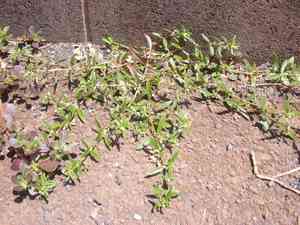
Oldenlandia can be identified by its small, usually white or pale-colored flowers arranged in clusters. The leaves are opposite, and the plants often have a sprawling, low-growing habit. The stems are usually square in cross-section.
Scientific Classification of Oldenlandia (Oldenlandia)
Phylum
Magnoliophyta
Class
Magnoliopsida
Order
Gentianales
Family
Rubiaceae
Genus
Oldenlandia
Planting and Growing of Oldenlandia (Oldenlandia)
Care Difficulty
Moderate
Watering Schedule
Every 4 days
Sunlight Requirements
Partial sun
Sunshine Duration
6-12 hours
Ideal Temperature
68-77℉
Soil Type
Potting Mix, Peat Mix
Soil pH
5.8-7.2
Fertilizer Type
Balanced
Pruning Season
Spring, Summer
Pruning Area
Branches, Leaves
Pruning Frequency
2 times a year
Repotting Season
Spring
Pot Type
Plastic, Ceramic
 How to Water Oldenlandia (Oldenlandia)?
For Oldenlandia, each watering should be approximately 150 milliliters. The goal is to keep the soil consistently moist but not soggy. Ensure that water penetrates the soil thoroughly, reaching the roots without leaving standing water.
What are the symptoms of an underwatered Oldenlandia (Oldenlandia)?
›
What should I do if my Oldenlandia (Oldenlandia) is not getting enough water?
›
What are the symptoms of an overwatered Oldenlandia (Oldenlandia)?
›
How to save an overwatered Oldenlandia (Oldenlandia)?
›
 What Are the Sunlight Requirements for Oldenlandia (Oldenlandia)?
The ideal lighting for Oldenlandia is partial sun to full sun. This range ensures the plant gets enough light for robust growth and photosynthesis without risk of heat stress or dehydration.
What is the best light condition?
›
How to achieve ideal lighting?
›
Benefits of ideal lighting?
›
 What Is the Ideal Temperature Range for Oldenlandia (Oldenlandia)?
Oldenlandia thrives best within a temperature range of 68°F to 77°F. This range offers the right level of warmth that supports active growth and development of physiological processes. Consistently maintaining this temperature range encourages robust vegetative growth and helps prevent stress-related issues.
 What Soil is Best for Oldenlandia (Oldenlandia)?
Oldenlandia thrives in well-drained soil, ensuring that roots do not remain wet, thus preventing root rot. Good drainage allows for proper air exchange and nutrient availability, promoting robust growth and flowering. This plant prefers moderately fertile soil, which provides sufficient nutrients for sustained growth. Excessively rich soil can lead to overgrowth and reduced flowering, while poor soil leads to stunted plants. Maintaining consistent soil moisture is crucial for Oldenlandia. This prevents stress that can induce yellowing and leaf drop. Even moisture levels ensure optimal nutrient uptake and healthy development.
 How to Fertilize Oldenlandia (Oldenlandia)?
For Oldenlandia, apply a balanced liquid fertilizer diluted to half strength every two weeks during the growing season. Use about 200 ml per plant, ensuring the soil is moist before application to avoid root burn. For slow-release fertilizer, use a quarter of the recommended amount, ensuring nutrient supply without overloading the plant.
 How to Prune Oldenlandia (Oldenlandia)?
Start by sterilizing your pruning shears to prevent infection. Trim back any dead or damaged leaves and stems to encourage new growth. Focus on thinning out dense areas to improve air circulation. Ensure you make clean cuts just above a node to promote healthy regrowth. To keep your Oldenlandia looking fresh and neat, prune the stems to achieve a balanced and even appearance. You can shape it into a compact bushy form, which not only looks appealing but also promotes a more robust structure.
 How to Propagate Oldenlandia (Oldenlandia) plant?
1
Choose healthy and vigorous plants to obtain seeds or cuttings. This ensures that the new plants have the best chance of growth and development. Inspect the parent plant for diseases and pests before selection.
2
Use a well-draining soil mix rich in organic matter for better aeration and water retention. A mixture of peat, perlite, and vermiculite can provide a balanced growth medium for seeds and cuttings.
3
For seed propagation, sow seeds evenly in trays and cover them with a thin layer of soil. For cuttings, dip the cut end in rooting hormone before placing it in the soil. Ensure cuttings are placed upright and the node is buried.
 How to Repot Oldenlandia (Oldenlandia) plant?
1
Oldenlandia should be repotted when you notice that the roots are starting to outgrow the current pot or when the growth rate has significantly slowed down. Yellowing leaves or compacted soil can also be signals that it's time for a new pot.
2
Choose a pot that is one size larger than the current pot to give the roots space to grow. Ensure the pot has drainage holes at the bottom to prevent waterlogging, which can help promote healthy root growth and prevent root rot.
3
Select a well-draining, loamy soil to prevent water retention and to allow air to circulate around the roots. This enhances root health and helps the plant to absorb nutrients more efficiently, promoting overall vigor and growth.
Learn More About Oldenlandia (Oldenlandia) Diseases
Anthracnose
Bacterial Leaf Spot
Bacterial Soft Rot
Bacterial Wilt
Crown Gall
Cyst Nematode
Damping-off
Downy Mildew
Drought Stress
Fusarium Wilt
Gray Mold
Leaf Curl
Leaf Spot
Mosaic
Nutrient Deficiency
Nutrient Toxicity
Powdery Mildew
Root Rot
Root-knot Nematode
Rusts
Sooty Mold
Spider Mites
Temperature Stress
Thrips Damage
White Mold
Chemical Injury

