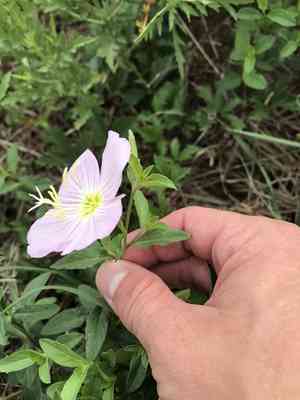
Pinkladies (Oenothera speciosa)
Also known as: Showy evening primrose
The evening primrose (Oenothera speciosa), commonly known as pinkladies, originates from the grasslands of the Central United States. It has rapidly spread beyond its native range and is now found in 28 states across the US, extending as far south as Chihuahua and Coahuila in Mexico. Often used as an ornamental ground cover due to its appealing flowers, it has a tendency to escape from gardens and naturalize in new areas.
In This Article
Attributes of Pinkladies
Lifespan
Perennial, Annual
Plant Type
Herb
Plant Height
10 cm to 50 cm
Spread
30 cm to 60 cm
Leaf Color
Green
Flower Size
4 cm to 5 cm
Flower Color
White Pink
Images of Pinkladies

Quickly Identify Pinkladies
1
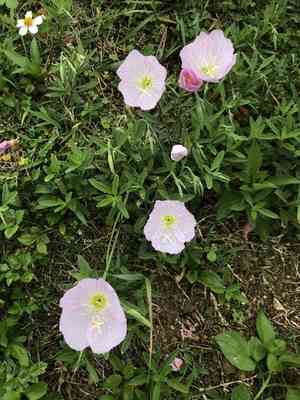
Spreading mound slightly over 1 foot (30 cm) high.
2
Elliptical leaves up to 2 inches (5 cm) long, lightly furry.
3
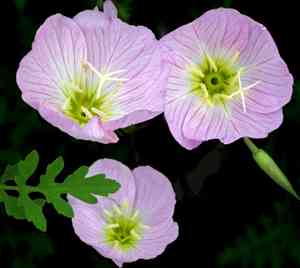
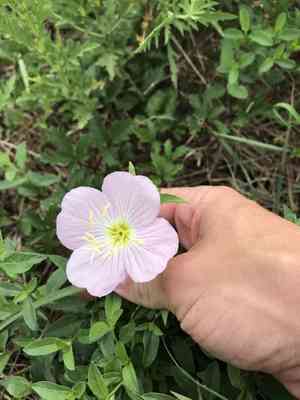
Bowl-shaped flowers unfurl from nodding buds to soft pink with yellow center.
4
Flowers 1-2 inches (2.5-5 cm) wide, cup-shaped with pink to red veins.
5
Oval-shaped capsules, about 0.5 inches (1.27 cm) in length with distinctive four-angled cross-section.
Scientific Classification of Pinkladies
Phylum
Vascular plants
Class
Dicotyledons
Order
Myrtle order
Family
Evening primrose
Genus
Evening Primrose
Species
Pinkladies
Planting and Growing of Pinkladies
Care Difficulty
Easy
Watering Schedule
Every 2 days
Sunlight Requirements
Full sun
Sunshine Duration
6-10 hours
Ideal Temperature
65-75℉
Soil Type
Potting Mix, Peat Mix
Soil pH
6.5-7.5
Fertilizer Type
Balanced
Pruning Season
Spring, Summer
Pruning Area
Branches, Leaves
Pruning Frequency
2 times a year
Repotting Season
Spring
Pot Type
Plastic, Ceramic
 How to Water Pinkladies?
When watering Oenothera speciosa, aim for a balance where the soil remains consistently moist yet well-drained. Ideally, provide about 250 milliliters each time, ensuring the water penetrates deeply into the soil to reach the roots without saturating the growing medium.
More About Watering Techniques→
What are the symptoms of an underwatered Pinkladies?
›
What should I do if my Pinkladies is not getting enough water?
›
What are the symptoms of an overwatered Pinkladies?
›
How to save an overwatered Pinkladies?
›
 What Are the Sunlight Requirements for Pinkladies?
Oenothera speciosa thrives under full sun and partial sun conditions, ideally receiving 6 to 8 hours of sunlight per day. This light range promotes robust flowering and ensures the plant’s vitality.
More About Sunlight Requirements Techniques→
What type of light does Oenothera speciosa ideally require?
›
How can you ensure optimal light exposure?
›
What benefits does ideal lighting provide this plant?
›
 What Is the Ideal Temperature Range for Pinkladies?
For Oenothera speciosa, it is best to maintain a consistent temperature range between 65°F and 75°F. This range supports healthy growth and vibrant blooms by providing enough warmth for photosynthesis and cellular processes to function optimally. These plants benefit from steady temperatures with minimal fluctuations to thrive, ensuring robust and lush foliage.
 What Soil is Best for Pinkladies?
Oenothera speciosa thrives best in well-drained soil, which helps prevent root rot by ensuring excess water is effectively dispersed. This type of soil promotes robust root development and prevents the stagnation that can harm your evening primrose. This plant prefers soil with moderate fertility. Overly rich soil can lead to excessive leaf growth at the expense of flowers, whereas a balanced nutrient profile supports both healthy foliage and abundant blooms. The evening primrose grows optimally in soil with a pH ranging from 6.5 to 7.5. Maintaining this pH range facilitates the right nutrient availability, crucial for the plant’s vibrant flowers and overall health.
More About Soil→
 How to Fertilize Pinkladies?
When fertilizing Oenothera speciosa, use a balanced 10-10-10 liquid fertilizer diluted to half strength. For slow-release fertilizers, apply sparingly, ensuring it covers the surface area around the base of the plant.
More About Fertilizing Techniques→
 How to Prune Pinkladies?
When preparing to prune Oenothera speciosa, ensure you have sharp and clean pruning shears. This prevents damage to the plant and reduces the risk of disease transmission. Start by assessing the plant, identifying overgrown or damaged stems that need trimming. Begin pruning by cutting back any dead or damaged stems to the base. Then, proceed to trim overgrown stems to keep the plant tidy. For taller varieties, you can reduce the height by trimming the tallest stems, which encourages a bushier growth habit.
More About Pruning Techniques→
 How to Propagate Pinkladies plant?
1
Choose mature seeds from healthy Oenothera speciosa plants. Soak seeds overnight to enhance germination rates, as this species can have a hard seed coat.
2
Cut 4-inch healthy stems during early spring. Remove lower leaves and dip the cut end in rooting hormone before planting in moist soil.
3
Lift clumps of existing plants in spring, and use a sharp spade to divide the root mass. Replant divisions immediately to minimize shock.
 How to Repot Pinkladies plant?
1
Oenothera speciosa needs repotting when roots excessively protrude from the drainage holes, or when water sits on top after watering. These signs mean the plant has outgrown its current pot, necessitating a roomier home for optimal growth.
2
Select a pot just a few inches larger in diameter than the original. This ensures room for root expansion without overwhelming the plant with excessive soil, which retains water and can lead to rot. Clay pots offer excellent breathability.
3
Opt for well-draining sandy loam soil. This type swiftly prepares Oenothera speciosa to thrive by ensuring moisture doesn't linger excessively, preventing root rot and supporting healthy nutrient absorption for robust blooms.
Learn More About Pinkladies Diseases
Anthracnose
Bacterial Leaf Spot
Bacterial Soft Rot
Bacterial Wilt
Black Spot
Chemical Injury
Crown Gall
Damping-off
Downy Mildew
Drought Stress
Fusarium Wilt
Gray Mold
Leaf Curl
Leaf Spot
Mosaic
Nutrient Deficiency
Nutrient Toxicity
Powdery Mildew
Root Rot
Root-knot Nematode
Rusts
Sooty Mold
Spider Mites
Temperature Stress
Thrips Damage
White Mold



