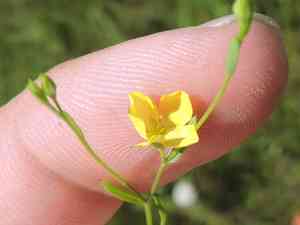
Spach's evening primrose (Oenothera spachiana)
Also known as: Evening Primrose, Tree Primrose
Spach's evening primrose (Oenothera spachiana) is a hardy perennial herb distinguished by its large, aromatic yellow flowers that bloom in the evening, attracting nocturnal pollinators. This plant features tall, upright stems and narrow, lanceolate leaves, well-suited for dry, open environments. It excels in well-drained soils under full sunlight, showcasing its impressive drought resistance.
In This Article
Attributes of Spach's evening primrose
Lifespan
Perennial
Plant Type
Herb
Plant Height
60-150 cm (24-59 inches)
Spread
Varies
Leaf Color
Green
Flower Size
3-5 cm (1.2-2 inches)
Flower Color
Yellow
Images of Spach's evening primrose
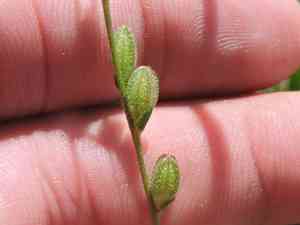
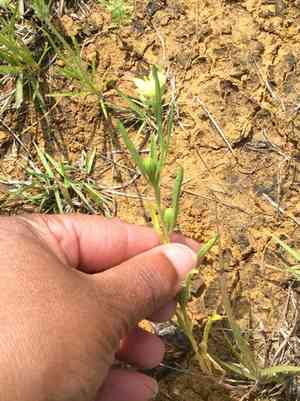
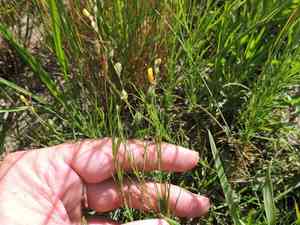
Quickly Identify Spach's evening primrose
1
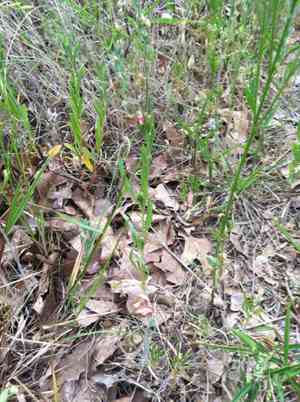
To identify Oenothera spachiana, look for its distinguishing features: bright yellow, four-petaled flowers that open in the evening, tall and robust stems, and lance-shaped leaves with slightly jagged edges.
Scientific Classification of Spach's evening primrose
Phylum
Vascular plants
Class
Dicotyledons
Order
Myrtales
Family
Evening primrose
Genus
Evening Primrose
Species
Spach's evening primrose
Planting and Growing of Spach's evening primrose
Care Difficulty
Easy
Watering Schedule
Every 4 days
Sunlight Requirements
Full sun
Sunshine Duration
4-8 hours
Ideal Temperature
60-75℉
Soil Type
Potting Mix, Peat Mix
Soil pH
6.5-7.5
Fertilizer Type
Balanced
Pruning Season
Spring, Summer
Pruning Area
Branches, Leaves
Pruning Frequency
Once a year
Repotting Season
Spring
Pot Type
Plastic, Ceramic
 How to Water Spach's evening primrose?
For the Oenothera spachiana, it is crucial to water in moderation. Ensure each watering is approximately 250 milliliters, aiming to moisten the soil thoroughly without making it soggy. This plant prefers a well-draining medium to avoid root rot, so water should seep through the bottom of the pot without pooling at the top.
What are the symptoms of an underwatered Spach's evening primrose?
›
What should I do if my Spach's evening primrose is not getting enough water?
›
What are the symptoms of an overwatered Spach's evening primrose?
›
How to save an overwatered Spach's evening primrose?
›
 What Are the Sunlight Requirements for Spach's evening primrose?
Oenothera spachiana thrives best in full sun, allowing it to reach its flowering potential and display its blooms prominently. Consistent sunlight daily ensures healthy plant growth.
How much sun should Oenothera spachiana get?
›
What are the best practices for ensuring the ideal lighting?
›
What benefits does ideal lighting provide Oenothera spachiana?
›
 What Is the Ideal Temperature Range for Spach's evening primrose?
Oenothera spachiana thrives well in temperatures ranging from 60 to 75°F. This range provides optimal conditions for photosynthesis and metabolic activities, ensuring healthy growth and flowering. It's important to maintain this temperature range in controlled environments to replicate the plant's native habitat as closely as possible.
 What Soil is Best for Spach's evening primrose?
Oenothera spachiana thrives in well-drained soil. Proper drainage helps prevent root rot and promotes healthy root development, ensuring the plant gets the necessary oxygen and nutrients. This plant prospers in soil rich in organic matter. Nutrient-rich soil provides the essential nutrients necessary for robust growth and vibrant blooms, making it a showpiece in any garden. While Oenothera spachiana can tolerate dryness, it prefers moderate moisture levels in its soil. Consistent moisture supports continuous flowering and overall plant health.
 How to Fertilize Spach's evening primrose?
For Oenothera spachiana, apply a balanced fertilizer at half strength; approximately 10-20 ml per plant, depending on the size. Always follow the product guidelines to prevent over-fertilization that can harm the plant.
 How to Prune Spach's evening primrose?
First, identify the dead, diseased, or damaged stems. These should be pruned back to encourage healthy growth and prevent the spread of disease. When pruning, always make your cuts at a 45-degree angle. This angle helps to prevent water from collecting on the cut surface, reducing the chance of rot. To encourage a bushier plant, trim back leggy stems by about one-third. This stimulates new growth and promotes a dense, more appealing shape.
More About Pruning Techniques→
 How to Propagate Spach's evening primrose plant?
1
Begin by collecting seeds from a mature Oenothera spachiana plant. Dry them thoroughly to prevent mold. Use a seed tray filled with well-draining soil to sow the seeds, lightly covering them with soil.
2
Choose healthy, vigorous stems from the plant. Cut sections about 4-6 inches long, ensuring each has a few leaves. Remove lower leaves to prevent rot and enhance rooting success when planted.
3
Once the seedlings develop a few true leaves, transplant them into pots or directly into the garden. Ensure they are spaced adequately to avoid crowding, which promotes air circulation and healthy growth.
 How to Repot Spach's evening primrose plant?
1
Monitor the plant for signs such as roots emerging from the drainage holes, slower growth, or soil that dries out too quickly. These are indicators that Oenothera spachiana is ready for a new pot, ideally during spring or early summer.
2
Select a pot that is one to two inches larger in diameter than the current pot to allow room for growth. Ensure the pot has adequate drainage holes to prevent water from pooling, which can lead to root rot. The right-sized pot supports healthy root expansion.
3
Opt for a well-draining, sandy soil mix. This type of soil prevents waterlogging, mimicking the plant's natural habitat, and ensuring healthy root aeration. Add perlite if necessary to enhance soil drainage.
Learn More About Spach's evening primrose Diseases
Anthracnose
Bacterial Leaf Spot
Bacterial Soft Rot
Bacterial Wilt
Black Spot
Chemical Injury
Crown Gall
Cyst Nematode
Damping-off
Downy Mildew
Drought Stress
Fusarium Wilt
Gray Mold
Leaf Curl
Leaf Spot
Mosaic
Nutrient Deficiency
Nutrient Toxicity
Powdery Mildew
Root Rot
Root-knot Nematode
Rusts
Sooty Mold
Spider Mites
Temperature Stress
Thrips Damage
White Mold



