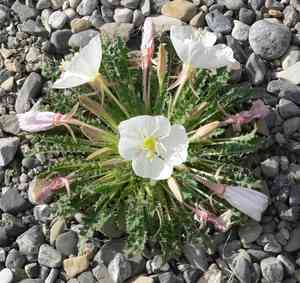
Tufted Evening Primrose (Oenothera cespitosa)
Also known as: Fragrant Evening Primrose, Cespitose Evening-Primrose
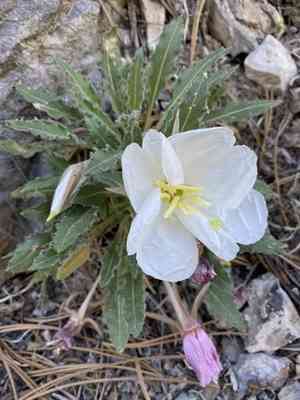
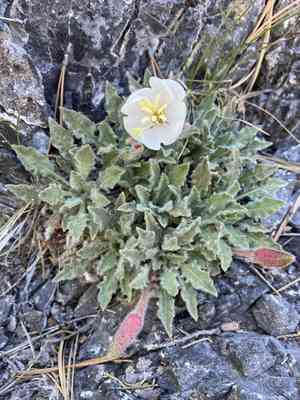
Tufted Evening Primrose (Oenothera cespitosa) is a perennial that typically blooms from late spring to early fall. Its large, white flowers, about 4 inches wide, turn pink as they age and feature prominent yellow stamens. These fragrant blooms open in the evening and close by the next morning.
For optimal growth, plant in:
- **Sunlight:** Full sun
- **Soil:** Well-drained, sandy or rocky soils
- **Water:** Minimal; drought-tolerant once established
These conditions emulate its native environment, promoting healthy growth and prolific blooming.
In This Article
Attributes of Tufted Evening Primrose
Lifespan
Perennial
Plant Type
Herb
Plant Height
15 cm to 30 cm
Spread
15 cm to 30 cm
Leaf Color
Green
Flower Size
2.5 cm to 5 cm
Flower Color
White
Images of Tufted Evening Primrose
Quickly Identify Tufted Evening Primrose
1
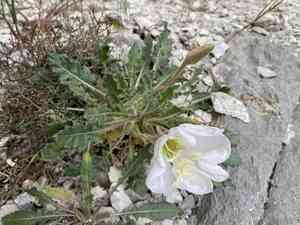
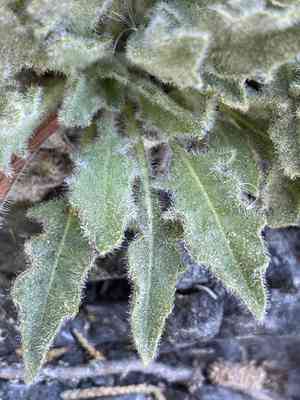
This species can be identified by its large, fragrant white flowers that turn pink as they age. The leaves are lance-shaped, with a somewhat wavy margin, and can form a basal rosette.
Scientific Classification of Tufted Evening Primrose
Phylum
Vascular plants
Class
Dicotyledons
Order
Myrtales
Family
Evening primrose
Genus
Evening Primrose
Species
Tufted Evening Primrose
Planting and Growing of Tufted Evening Primrose
Care Difficulty
Easy
Watering Schedule
Every day
Sunlight Requirements
Full sun
Sunshine Duration
6-12 hours
Ideal Temperature
60-75℉
Soil Type
Potting Mix, Peat Mix
Soil pH
6.5-7.5
Fertilizer Type
Balanced
Pruning Season
Spring, Summer
Pruning Area
Leaves, Branches
Pruning Frequency
2 times a year
Repotting Season
Spring
Pot Type
Plastic, Ceramic
 How to Water Tufted Evening Primrose?
For Oenothera cespitosa, strive to mimic its natural desert environment by providing about 250ml of water per session. This should be enough to moisten the topsoil without drowning the roots. Water until a slight drainage occurs to ensure deep root penetration.
What are the symptoms of an underwatered Tufted Evening Primrose?
›
What should I do if my Tufted Evening Primrose is not getting enough water?
›
What are the symptoms of an overwatered Tufted Evening Primrose?
›
How to save an overwatered Tufted Evening Primrose?
›
 What Are the Sunlight Requirements for Tufted Evening Primrose?
For optimal health, Oenothera cespitosa thrives in full sun, ideally getting six to eight hours of sunlight, promoting robust growth and prolific flowering when energy absorption is maximized.
More About Sunlight Requirements Techniques→
How to achieve ideal lighting?
›
Specific steps to ensure light adequacy?
›
Benefits of receiving ideal light?
›
 What Is the Ideal Temperature Range for Tufted Evening Primrose?
Oenothera cespitosa thrives best in environments where the temperature ranges between 60°F and 75°F. These temperatures allow for optimal metabolic activity and growth, providing the plant with sufficient warmth without causing heat stress.
 What Soil is Best for Tufted Evening Primrose?
Oenothera cespitosa prefers well-drained soil to prevent root rot. Ensuring proper drainage helps maintain healthy roots and promotes optimal growth, making sandy or loamy soils a good choice for this plant. While Oenothera cespitosa is not overly demanding in terms of nutrients, a slightly enriched loam will provide the necessary elements for vibrant blooms. Organic matter can be added to improve the soil's nutrient profile, supporting healthy development. The plant thrives in soils that retain some moisture without becoming waterlogged. Sandy loams provide an ideal balance, holding enough moisture for the plant’s needs while allowing excess water to drain away.
 How to Fertilize Tufted Evening Primrose?
For Oenothera cespitosa, it’s crucial to use the right amount of fertilizer to avoid complications. When applying liquid fertilizer, use a diluted solution at half the strength recommended for general flowering plants. For solid slow-release fertilizers, 1 tablespoon per plant distributed evenly around the base should suffice.
 How to Prune Tufted Evening Primrose?
Begin by removing any dead or damaged leaves to prevent disease and allow the plant to direct energy towards healthy growth. Gently cut close to the base without damaging the main stem ensuring clean cuts for faster healing. Trim back overgrown or sprawling areas to maintain a neat appearance. Cut above a leaf node to encourage branching and fuller growth, promoting a more structured plant form, perfect for a well-kept garden setting. For optimal blooming, lightly shape the plant by selectively trimming to open up the center and increase airflow. This will reduce the risk of mold and boost flower production for a more abundant blooming season.
More About Pruning Techniques→
 How to Propagate Tufted Evening Primrose plant?
1
Start by filling a seed tray with a quality seed starting mix. Sow the seeds evenly on the surface, lightly pressing them into the soil, which ensures good seed-to-soil contact essential for germination.
2
Maintain consistent moisture levels by lightly watering the seeds or using a spray bottle. While keeping the seeds moist, avoid waterlogging, as this can lead to seed rot and prevent successful germination.
3
Once seedlings have grown a few true leaves, prepare them for outdoor conditions by gradually increasing their exposure to sunlight and wind. This process, known as hardening off, helps them acclimate and strengthens their growth.
 How to Repot Tufted Evening Primrose plant?
1
Watch for crowded roots peeking from drainage holes or a plant that isn’t thriving despite proper care. Spring to early summer is ideal, as the plant is entering its growth phase.
2
Choose a pot 1-2 inches larger in diameter with adequate drainage to allow room for growth and to prevent root rot. A heavy pot is beneficial because it anchors the plant despite risks of toppling.
3
Opt for a sandy, well-draining soil mix simulating its natural arid habitats. This mix provides excellent aeration and reduces the risk of overwatering while supporting healthy growth.
Learn More About Tufted Evening Primrose Diseases
Anthracnose
Bacterial Leaf Spot
Bacterial Soft Rot
Bacterial Wilt
Black Spot
Chemical Injury
Crown Gall
Cyst Nematode
Damping-off
Downy Mildew
Drought Stress
Fusarium Wilt
Gray Mold
Leaf Spot
Mosaic
Nutrient Deficiency
Nutrient Toxicity
Powdery Mildew
Root Rot
Root-knot Nematode
Rusts
Sooty Mold
Spider Mites
Temperature Stress
Thrips Damage
White Mold



