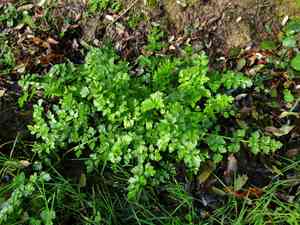
Water dropworts (Oenanthe) (Oenanthe)
Also known as: Water celeries
Water dropworts (Oenanthe) are typically found in wet environments like marshes and along riverbanks. These plants often grow into low, bushy forms. They produce clusters of small, white flowers during the summer, and their stems emit a carrot-like scent. Despite this, many species within this genus are highly poisonous and should never be ingested. Their resemblance to some edible plants adds to their danger, making them a significant risk to both humans and animals.
In This Article
Attributes of Water dropworts (Oenanthe)
Lifespan
Perennial
Plant Height
50 to 150 cm
Spread
N/A
Leaf Color
Green
Flower Size
2 to 4 mm (individual flowers), but clusters (umbels) can be up to 10 cm wide
Flower Color
White or pinkish
Images of Water dropworts (Oenanthe)
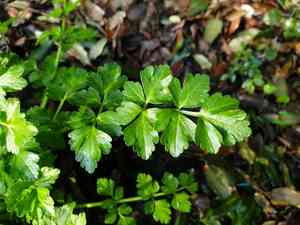
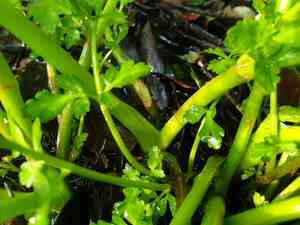
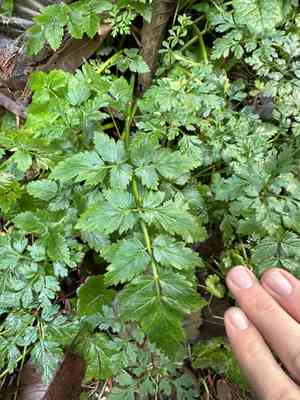
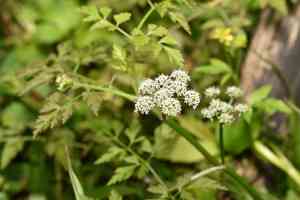
Quickly Identify Water dropworts (Oenanthe)
1
Oenanthe species can be identified by their hollow, furrowed stems, compound leaves with finely divided leaflets, and umbrella-shaped clusters of small white or pinkish flowers.
Scientific Classification of Water dropworts (Oenanthe)
Phylum
Magnoliophyta
Class
Magnoliopsida
Order
Apiales
Family
Apiaceae
Genus
Oenanthe
Planting and Growing of Water dropworts (Oenanthe)
Care Difficulty
Moderate
Watering Schedule
Every 2 days
Sunlight Requirements
Partial sun
Sunshine Duration
6-10 hours
Ideal Temperature
60-70℉
Soil Type
Potting Mix, Peat Mix
Soil pH
6.5-7.5
Fertilizer Type
Balanced
Pruning Season
Spring, Summer
Pruning Area
Branches, Leaves
Pruning Frequency
2 times a year
Repotting Season
Spring
Pot Type
Plastic, Terracotta
 How to Water Water dropworts (Oenanthe)?
The Oenanthe plant prefers its soil to be consistently moist. Water thoroughly until the water begins to drain from the bottom of the pot, ensuring all the roots can access moisture. This usually means providing about 500ml per session, depending on the pot size and soil drainage capacity.
What are the symptoms of an underwatered Water dropworts (Oenanthe)?
›
What should I do if my Water dropworts (Oenanthe) is not getting enough water?
›
What are the symptoms of an overwatered Water dropworts (Oenanthe)?
›
How to save an overwatered Water dropworts (Oenanthe)?
›
 What Are the Sunlight Requirements for Water dropworts (Oenanthe)?
Oenanthe flourishes with partial sun, receiving 4 to 6 hours daily. This balance aids in consistent growth, enhances foliage color, and boosts the plant’s overall health.
How much light does Oenanthe ideally need?
›
What solutions are effective for obtaining ideal light conditions?
›
What benefits does the ideal light offer?
›
 What Is the Ideal Temperature Range for Water dropworts (Oenanthe)?
The ideal temperature for growing Oenanthe is between 60°F and 70°F. This range ensures optimal enzymatic and metabolic activity, which are crucial for its growth and health. Consistent temperatures within this range promote strong development and flowering.
 What Soil is Best for Water dropworts (Oenanthe)?
Oenanthe thrives in well-drained soil that prevents waterlogging, which can be detrimental to root health. Ensuring good drainage helps the plant absorb nutrients effectively and promotes healthy growth. This plant flourishes in nutrient-rich soil that provides essential elements such as nitrogen, phosphorus, and potassium. Providing a fertile substrate encourages lush foliage and vibrant blooms. While drainage is crucial, Oenanthe also benefits from soil that can retain moisture to support its water needs. The balance helps in maintaining consistent growth without dry spells harming the plant.
 How to Fertilize Water dropworts (Oenanthe)?
When it comes to fertilizing Oenanthe, a careful balance is key. Liquid fertilizers should be diluted to half the recommended strength to avoid root burn. For slow-release fertilizers, use approximately 20 grams per square meter to ensure each plant has access to nutrients throughout the growing season. This balance guarantees vigorous growth without overwhelming the plant's natural processes.
 How to Prune Water dropworts (Oenanthe)?
Begin by identifying any dead or diseased stems on the Oenanthe. Use clean, sharp pruning shears to remove these first. Then, focus on shaping the plant by trimming back overgrown branches to maintain its desired form. Remove no more than one-third of the plant in a single session to avoid stress. Pay attention to crossing or inward-growing branches, as these should be pruned to improve air circulation and light penetration.
 How to Propagate Water dropworts (Oenanthe) plant?
1
Gather seeds from mature Oenanthe plants. Clean them thoroughly to remove any pulp or residue which could promote mold growth. Dry them completely before storage or sowing.
2
Select healthy stems for cuttings. Cut at a node using sharp pruning shears. Remove lower leaves and dip the cut end in rooting hormone to stimulate root growth.
3
Lift established plants carefully from the ground. Gently separate roots to create new divisions, ensuring each has sufficient roots and stems. Replant promptly to minimize stress.
 How to Repot Water dropworts (Oenanthe) plant?
1
Look for signs like roots growing out of the drainage holes, soil drying out too quickly, or stunted growth. These signals indicate that Oenanthe needs more space to breathe and thrive.
2
Select a pot that’s a couple of inches larger in diameter than the current one. Ensure it has ample drainage holes to prevent waterlogging, which can be detrimental to Oenanthe's health by causing root rot.
3
A well-draining, loamy mix that holds moisture yet allows air to penetrate is ideal. Such soil prevents root rot by facilitating proper moisture balance, allowing Oenanthe to flourish.
Toxicity
Ingestion, sometimes inhalation
WARNING
The judgment on toxicity and danger is for reference only. We DO NOT GUARANTEE any accuracy of such judgment. Therefore, you SHALL NOT rely on such judgment. It is IMPORTANT TO SEEK PROFESSIONAL ADVICE in advance when necessary.
Learn More About Water dropworts (Oenanthe) Diseases
Anthracnose
Bacterial Leaf Spot
Bacterial Soft Rot
Bacterial Wilt
Chemical Injury
Damping-off
Downy Mildew
Drought Stress
Fusarium Wilt
Gray Mold
Leaf Spot
Mosaic
Nutrient Deficiency
Nutrient Toxicity
Powdery Mildew
Root Rot
Root-knot Nematode
Rusts
Sooty Mold
Spider Mites
Temperature Stress
Thrips Damage
White Mold

