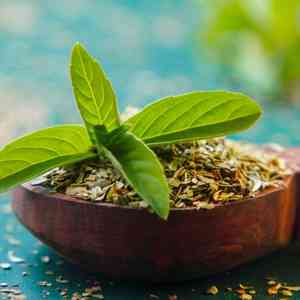
Holy basil (Ocimum tenuiflorum)
Also known as: Hot Basil, Tulasi
Holy Basil (Ocimum tenuiflorum), native to India, is an aromatic herb commonly found in Thai dishes, often referred to as Thai holy basil. It holds significant religious importance for Vaishnava Hindus and is highly esteemed in holistic medicine for its essential oil.
In This Article
Attributes of Holy basil
Lifespan
Perennial, Annual
Plant Type
Herb
Plant Height
30 cm to 1 m
Spread
50 cm
Leaf Color
Green Blue
Flower Size
2.5 cm
Flower Color
White Pink Purple Lavender
Images of Holy basil

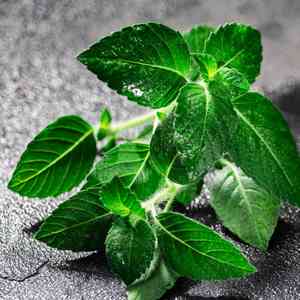
Quickly Identify Holy basil
1
Slender stems covered in fine hairs
2
Distinct aroma from crushed ovate leaves
3
Whorls of lavender or white flowers on racemes
4
Tiny, one-seeded nutlets with purple-green to brown hue
5
Pubescent, square-shaped stem with vibrant purple-green coloration
Scientific Classification of Holy basil
Phylum
Vascular plants
Class
Dicotyledons
Order
Mints plantains olives and allies
Family
Mint
Genus
Ocimum
Species
Holy basil
Planting and Growing of Holy basil
Care Difficulty
Easy
Watering Schedule
Every 8 days
Sunlight Requirements
Full sun
Sunshine Duration
4-8 hours
Ideal Temperature
70-85℉
Soil Type
Potting Mix, Peat Mix
Soil pH
6.5-7.5
Fertilizer Type
Balanced
Pruning Season
Spring, Summer
Pruning Area
Branches, Leaves
Pruning Frequency
2 times a year
Repotting Season
Spring
Pot Type
Plastic, Ceramic
 How to Water Holy basil?
For Ocimum tenuiflorum, the principle is to keep the soil consistently moist but not waterlogged. You should aim to water until the top inch of soil feels moist, approximately with 200ml of water each time.
More About Watering Techniques→
What are the symptoms of an underwatered Holy basil?
›
What should I do if my Holy basil is not getting enough water?
›
What are the symptoms of an overwatered Holy basil?
›
How to save an overwatered Holy basil?
›
 What Are the Sunlight Requirements for Holy basil?
Ocimum tenuiflorum excels in full to partial sun environments. Ideal light encourages robust growth, enhances leaf aroma, and boosts the plant's overall vitality and resistance to pathogens.
More About Sunlight Requirements Techniques→
What is the best type of sunlight for Ocimum tenuiflorum?
›
How can you provide ideal sunlight in an indoor environment?
›
What benefits does ideal lighting bring to Ocimum tenuiflorum?
›
 What Is the Ideal Temperature Range for Holy basil?
Ocimum tenuiflorum, commonly known as holy basil, thrives best in temperatures ranging from 70°F to 85°F. This warm temperature range mimics its native tropical and subtropical habitats, promoting optimal growth and development. Maintaining these temperatures ensures that the plant's photosynthetic processes function effectively, leading to healthy foliage and a robust growth rate.
 What Soil is Best for Holy basil?
Ocimum tenuiflorum thrives in well-drained soil, preventing waterlogging and root rot. This type of soil allows for optimal air circulation and moisture levels, ensuring healthy root development and efficient nutrient uptake. A good amount of organic matter in the soil benefits Ocimum tenuiflorum by providing essential nutrients and improving soil structure. This enhances microbial activity, which is crucial for the plant's overall growth and vitality. Moderately fertile soil supports steady growth without causing over-fertilization problems. Ocimum tenuiflorum benefits from a balance of nutrients, promoting strong stems, lush foliage, and aromatic leaves ideal for culinary and medicinal uses.
More About Soil→
 How to Fertilize Holy basil?
For Ocimum tenuiflorum, a small amount of fertilizer goes a long way. It's recommended to use a balanced liquid fertilizer at a half strength, given its sensitivity to over-fertilization. A light top dressing of slow-release granular fertilizer can also be beneficial, applied in small doses.
More About Fertilizing Techniques→
 How to Prune Holy basil?
Ensure that you use clean, sharp scissors or pruning shears to avoid the introduction of diseases. Dirty tools can transfer pathogens to the plant, leading to infections that can hinder growth or even kill the plant. Before starting your pruning session, disinfect your tools with alcohol or a mild bleach solution. Try to prune during the cooler parts of the day, such as in the morning or late afternoon. Avoid pruning during extreme heat or right before a rainstorm, as these conditions can stress the plant. High temperatures can cause the cut ends to dry out too quickly, while rain can introduce moisture-related diseases.
More About Pruning Techniques→
 How to Propagate Holy basil plant?
1
Choose plump and viable seeds for sowing. Check if the seeds are free from visible damage or discoloration that might hinder germination.
2
Select 4-6 inch stems with at least two sets of leaves from healthy Ocimum tenuiflorum plants. Make a clean cut using pruning shears just below a node.
3
Sow seeds in a seed tray filled with quality potting mix. Cover lightly with soil, keeping the seeds moist but not waterlogged.
 How to Repot Holy basil plant?
1
Ocimum tenuiflorum, commonly known as Holy Basil, shows signs of needing repotting when its growth slows down, roots protrude from the drainage holes or the soil dries out too quickly. Monitor your plant for these signs and plan for repotting during the growing seasons of spring or early summer.
2
Select a pot that is one to two inches larger in diameter than the current one. Clay pots are a good choice due to their breathability which aids in preventing overwatering. Ensure the pot has proper drainage holes to avoid waterlogging, which can lead to root rot.
3
Opt for a well-draining potting soil rich in organic matter. A mix of peat, perlite, and a hint of coarse sand works well. This composition ensures proper aeration, holds adequate moisture without waterlogging, and provides necessary nutrients to support robust growth.
Learn More About Holy basil Diseases
Anthracnose
Bacterial Leaf Spot
Bacterial Soft Rot
Bacterial Wilt
Chemical Injury
Damping-off
Downy Mildew
Drought Stress
Fusarium Wilt
Gray Mold
Leaf Curl
Leaf Spot
Mosaic
Nutrient Deficiency
Nutrient Toxicity
Powdery Mildew
Root Rot
Root-knot Nematode
Rusts
Sooty Mold
Spider Mites
Temperature Stress
Thrips Damage
White Mold



