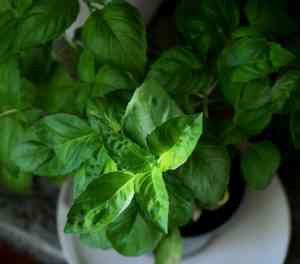
Sweet basil (Ocimum basilicum)
Also known as: Saint-joseph's-wort, Common basil
Sweet basil, originally from Asia and Africa, is a favored herb for both indoor and outdoor gardening. It flourishes in conditions where it receives abundant sunlight—ideally 6-8 hours per day—and consistent watering, though well-draining soil is crucial to prevent root rot. The plant is quite adaptable and can be transplanted easily between different soil environments.
Culinarily, sweet basil leaves can be enjoyed fresh or dried. They are integral to a variety of dishes, including pizza, salads, and soups, and are also used in teas. Its versatility extends across various cuisines, making it a staple herb in many kitchens worldwide.
In This Article
Plant Comprehensive Care Guide: Beginner's Introduction and Key Details
Perfect for beginners starting their plant care journey
→
10 Secrets to Making Sweet basil Grow Faster (A Must-Read for Beginners)
Advanced tips to accelerate your plant's growth
→
Care "Black Tech": 10 Little-Known Highly Effective Maintenance Tips
Expert-level techniques for optimal plant care
→
Attributes of Sweet basil
Lifespan
Annual, Perennial, Biennial
Plant Type
Herb
Plant Height
20 cm to 1.5 m
Spread
30 cm
Leaf Color
Green Purple
Flower Size
3 cm to 8 cm
Flower Color
White Pink Purple
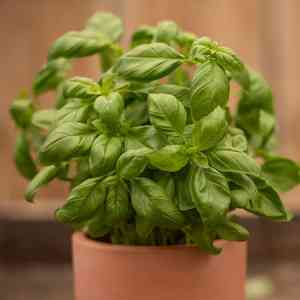
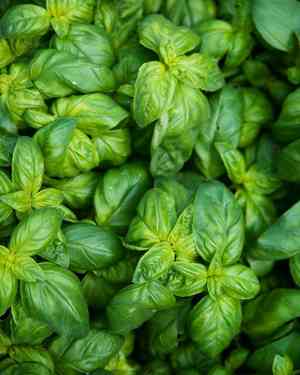
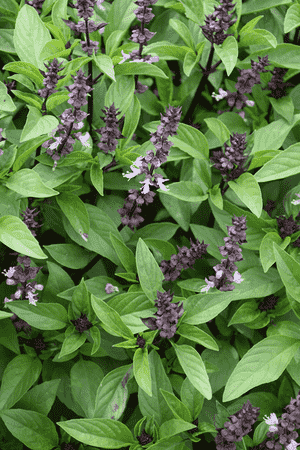
Images of Sweet basil
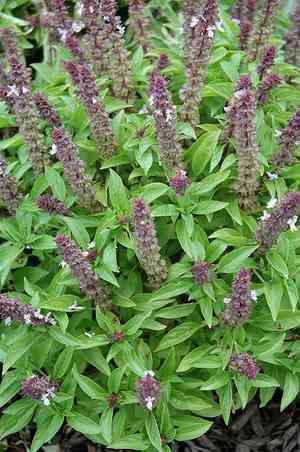
Quickly Identify Sweet basil
1
Oppositely arranged oval leaves with serrated edges, emitting a strong aroma when bruised.
2
Small white or pale pink tubular flowers in raceme inflorescence, blooming in late summer.
3
Distinctive lipped white flowers with lower lip larger than upper, forming whorled raceme structure.
4
Fruit classified as nutlet, less than 0.25 inches (0.6 cm) in length, dry texture.
5
Thin, square-stemmed plant with bushy growth habit, typically reaching 2 feet (60 cm) in height.
Scientific Classification of Sweet basil
Phylum
Vascular plants
Class
Dicotyledons
Order
Mints plantains olives and allies
Family
Mint
Genus
Ocimum
Species
Sweet basil
Planting and Growing of Sweet basil
Care Difficulty
Easy
Watering Schedule
Every 8 days
Sunlight Requirements
Full sun
Sunshine Duration
4-6 hours
Ideal Temperature
70-85℉
Soil Type
Potting Mix, Peat Mix
Soil pH
6.5-7.5
Fertilizer Type
Balanced
Pruning Season
Spring, Summer
Pruning Area
Branches, Leaves
Pruning Frequency
2 times a year
Repotting Season
Spring
Pot Type
Plastic, Ceramic
 How to Water Sweet basil?
Ocimum basilicum, commonly known as basil, thrives with consistent moisture. However, the key is moderation. Water the plant until the soil is evenly moist, ensuring water penetrates 6-8 inches deep to reach the root zone. Watering with 150ml per session typically suffices, but adjust based on individual plant size and pot drainage.
More About Watering Techniques→
What are the symptoms of an underwatered Sweet basil?
›
What should I do if my Sweet basil is not getting enough water?
›
What are the symptoms of an overwatered Sweet basil?
›
How to save an overwatered Sweet basil?
›
 What Are the Sunlight Requirements for Sweet basil?
Ocimum basilicum prefers full sun to partial sun conditions. Proper light ensures vigorous growth and aromatic, flavorful leaves. Ideal lighting conditions enhance photosynthesis, yielding robust plants ready for culinary needs.
More About Sunlight Requirements Techniques→
What is the best light condition for Ocimum basilicum?
›
How can I achieve ideal light conditions for my basil plant?
›
What benefits does proper lighting provide for basil plants?
›
 What Is the Ideal Temperature Range for Sweet basil?
For optimal growth of Ocimum basilicum, maintaining a stable environment between 70-85°F is crucial. This range ensures that the plant receives adequate warmth to thrive, promoting vigorous growth and the production of essential oils that contribute to its distinctive aroma and flavor. Consistent temperatures within this range help reduce plant stress and susceptibility to diseases, making it an ideal setting for both indoor and outdoor cultivation during warmer seasons.
 What Soil is Best for Sweet basil?
Ocimum basilicum thrives in well-drained soil conditions that prevent waterlogging, which can lead to root rot. Good drainage helps maintain optimal root health by allowing excess moisture to escape, ensuring that the roots receive the right amount of oxygen and essential nutrients. This plant requires soil enriched with organic matter to promote vigorous growth. Nutrient-rich soil boosts the basil's development by supplying ample nutrients that support lush foliage and increase resistance to pests and diseases. Ocimum basilicum prefers soil that receives ample sunlight, contributing to healthy photosynthesis. Sunlight exposure aids in robust plant growth, enhancing the flavor and aroma of the leaves, critical for culinary uses.
More About Soil→
 How to Fertilize Sweet basil?
Ocimum basilicum, commonly known as basil, thrives when given a well-measured amount of fertilizer. Liquid fertilizer should be applied at half the recommended strength to avoid over-fertilizing. For slow-release fertilizers, stick to the recommended dosage as per the package instructions to ensure a balance of nutrients.
More About Fertilizing Techniques→
 How to Prune Sweet basil?
Begin by locating the nodes where leaves grow from the stem. Make the cut just above a pair of leaves or a growing node. This encourages new growth from the cut area, making the plant bushier instead of taller.
More About Pruning Techniques→
 How to Propagate Sweet basil plant?
1
Fill seedling trays with a quality seed-starting mix and plant basil seeds about 1/4 inch deep. Water them gently and place the trays in a warm, sunny location. Keep the soil moist, and the seeds should germinate in 7 to 14 days.
2
Select a healthy basil plant and use pruning shears to cut a 4-6 inch long herb stem just below a node. Remove the lower leaves and place the cutting in water or a soil mix designed for propagation. Ensure the environment is humid to promote root formation.
3
Once seedlings or cuttings have developed strong roots, they can be transplanted into larger containers or directly into the garden. Acclimate them to outdoor conditions gradually to prevent shock.
 How to Repot Sweet basil plant?
1
Look for signs like roots growing out of the drainage holes, the plant wilting quickly after watering, or when growth slows despite good care. These hints suggest it's time for a larger pot to give Ocimum basilicum the space and nutrients it needs to thrive.
2
Choose a pot that is 1-2 inches larger in diameter than the current one. This will allow room for growth without overwhelming the roots. It's important to have good drainage to prevent waterlogged soil, which could lead to root rot, ensuring healthier plant development.
3
Opt for a well-draining, fertile soil mix, rich in organic matter. This type of soil retains enough moisture to nourish the plant between waterings but drains away excess, preventing waterlogging and promoting healthy root growth, essential for Ocimum basilicum.



