Black gum(Nyssa sylvatica)

Black gum (Nyssa sylvatica)

Also known as: Sour gum, Beetlebung

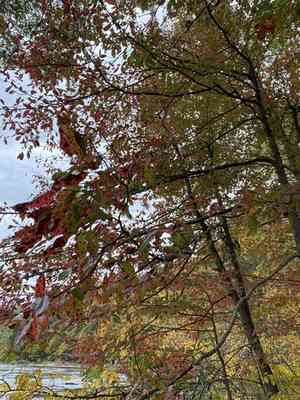
Nyssa sylvatica, also called black gum or tupelo, is a deciduous tree indigenous to eastern North America. Known for its medium size, this tree is frequently grown in parks for its stunning scarlet foliage in the fall.

Attributes of Black gum

Lifespan
Perennial
Plant Type
Tree
Plant Height
20 m to 25 m
Spread
6 m to 9 m
Leaf Color
Green Red Orange Purple Blue Yellow
Flower Size
1.3 cm
Flower Color
Green Yellow White

PlantJoy - Identify plants with a snap

Identify and diagnose plants, get toxicity alerts, and explore safety guides for all types of fungi.

Try for Free

Images of Black gum

Black gum(Nyssa sylvatica)

Quickly Identify Black gum

1
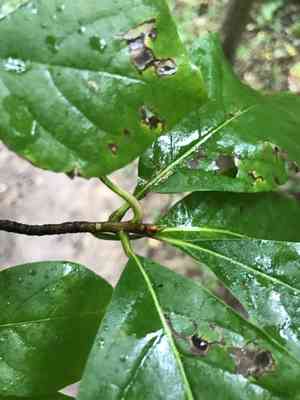
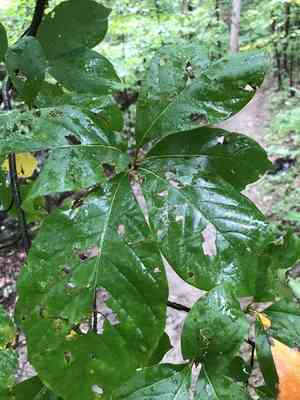
Elliptic to obovate leaves with lustrous dark green upper surface
2
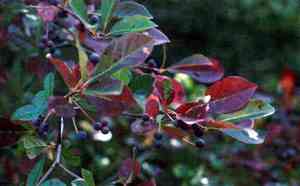
Distinct bluish-black drupes clustered on stalks in late summer to fall
3
Chambered pith and unique vascular bundle arrangement in leaf scars
4
Ridged texture on developing bark evolving into cobbled rectangular blocks
5
Slender branches growing at right angles from the trunk, forming a distinctive pattern

Scientific Classification of Black gum

Phylum
Vascular plants
Class
Dicotyledons
Order
Cornales
Family
Tupelo
Genus
Tupelo
Species
Black gum

Planting and Growing of Black gum

Care Difficulty
Easy
Watering Schedule
Every 4 days
Sunlight Requirements
Full sun
Sunshine Duration
4-8 hours
Ideal Temperature
60-75℉
Soil Type
Potting Mix, Peat Mix
Soil pH
5.5-6.5
Fertilizer Type
Balanced
Pruning Season
Spring, Summer
Pruning Area
Branches, Leaves
Pruning Frequency
2 times a year
Repotting Season
Spring
Pot Type
Terracotta, Plastic

water icon How to Water Black gum?

Nyssa sylvatica prefers a consistent watering schedule. Ensure the soil is kept moderately moist, without over-saturating. Aim for about 1000 milliliters per watering session to keep the soil well-drained and aerated.
What are the symptoms of an underwatered Black gum?
What should I do if my Black gum is not getting enough water?
What are the symptoms of an overwatered Black gum?
How to save an overwatered Black gum?
More About Watering Techniques

sunlight icon What Are the Sunlight Requirements for Black gum?

Sunlight Requirements: Full sun, Partial sun
Duration of light: 4 to 6 hours
Nyssa sylvatica ideally thrives in full sun and partial sun areas. Proper light enhances growth and encourages vibrant leaf color transitions, vital for plant robustness and visual appeal.
What is the ideal light condition for Nyssa sylvatica?
How can you provide partial sun for Nyssa sylvatica?
Why is achieving ideal lighting crucial?
More About Sunlight Requirements Techniques

temperature icon What Is the Ideal Temperature Range for Black gum?

Ideal Temperature: 60 ~ 75℉
Nyssa sylvatica, commonly known as Black Tupelo, thrives best in moderate climates where the temperature ranges from 60 to 75 °F. This range provides an optimal environment for photosynthesis and other metabolic processes, contributing to the plant's overall health and vigor.

soil icon What Soil is Best for Black gum?

Soil type: Loam, Sandy loam, Acidic soil
Soil PH: 5.5 ~ 6.5
Nyssa sylvatica thrives in well-drained soils that can retain adequate moisture. This balance ensures the roots are hydrated without sitting in water, promoting healthy growth and preventing root rot. Rich in organic matter, the soil should resemble a forest floor, providing essential nutrients and improving soil structure. Organic-rich soil supports lush foliage and robust tree health. Nyssa sylvatica prefers slightly acidic soils with a pH between 5.5 and 6.5. This pH range enhances nutrient availability, fostering vibrant growth and colorful fall foliage. More About Soil

fertilize icon How to Fertilize Black gum?

Fertilizer type: Balanced
Nyssa sylvatica thrives best with a balanced approach to fertilization. Typically, a moderate amount of fertilizer is used, aiming for around 2 pounds of granular fertilizer per 100 square feet in early spring. The same applies to liquid fertilizers, with around 1 tablespoon of liquid balanced fertilizer for every gallon of water, applied twice a month during the growing season. More About Fertilizing Techniques

prune icon How to Prune Black gum?

Pruning Time: Spring, Summer, Autumn, Winter
Begin by removing dead, damaged, or diseased wood. Look for branches that cross each other or grow inward, as they can crowd the tree and impede healthy airflow. Identify and prune these branches to encourage an open canopy. Focus on shaping the tree to maintain its natural form. Nyssa sylvatica typically has a graceful, pyramidal shape. Thin out crowded areas to improve light penetration and air circulation, enhancing the tree's overall health. More About Pruning Techniques

propagate icon How to Propagate Black gum plant?

Propagate Time: Early spring, Late spring, Early summer
1
Collect mature seeds from healthy Nyssa sylvatica trees in autumn when they are fully developed. Clean the seeds in water to remove any pulp or debris. Scarify them lightly with sandpaper to improve germination rates.
2
Take semi-hardwood cuttings from a mature Nyssa sylvatica during late spring to early summer. Cut each one about 6 inches long, just below a node, and remove the lower leaves.
3
Plant seeds or cuttings in a well-draining, nutrient-rich potting mix. Maintain consistent moisture and place them in a warm, bright area away from direct sunlight to foster healthy root development.
More About Propagating Techniques

repot icon How to Repot Black gum plant?

Repotting frequency: Every 2-3 years
1
Look for signs like roots poking through the drainage holes or the plant appearing top-heavy or growth becoming stunted. These signs indicate that the Nyssa sylvatica requires more space to develop robustly. Optimal periods for repotting this plant are during its dormant phases in either spring or autumn to minimize stress.
2
Select a pot that is one size larger than the current one to accommodate root growth without encouraging waterlogging. Ensure it has drainage holes to prevent water from accumulating and potentially causing root rot.
3
Opt for a well-draining, acidic soil that mimics its natural environment. Such a mix ensures proper root aeration and prevents the roots from staying too wet, which helps in faster establishment post-repotting.

PlantJoy - Identify plants with a snap

Find the best spots for them to optimize their health, simply using your phone.

Try for Free

Toxicity of Black gum

Is Black gum toxic to cat?

Black gum presents a moderate toxicity hazard to cats. If a cat consumes any components of the plant, particularly the sap or juice, along with unripe fruit, it may face the risk of poisoning. Cat owners need to be vigilant with their pets in the vicinity of black gum, as ingestion could result in signs of physical discomfort or illness. Swift veterinary attention is essential for addressing possible poisoning, since timely treatment can reduce the impact of the toxins involved. Although the precise toxic compounds in black gum are not fully revealed, the priority is to keep cats away from the perilous parts of the plant.

Is Black gum toxic to dog?

The black gum tree species carries a moderate level of toxicity risk for dogs. If canines consume certain elements of this plant, particularly the sap, juice, or unripe fruit, they may experience poisoning. Following the ingestion of these harmful components, dogs may show a range of symptoms that suggest poisoning has occurred. It is vital for pet owners to keep a close watch on their dogs and prevent them from chewing on or ingesting any part of the black gum plant. In the event that a dog does consume black gum, it is crucial to monitor for any signs of distress or illness and to seek prompt veterinary assistance to ensure the optimal health outcome for the pet.

Identify toxic plants for your safety

Learn which plants are harmful to you and your pets, and make informed choices for a safer home!

Try for Free
WARNING
The judgment on toxicity and danger is for reference only. We DO NOT GUARANTEE any accuracy of such judgment. Therefore, you SHALL NOT rely on such judgment. It is IMPORTANT TO SEEK PROFESSIONAL ADVICE in advance when necessary.
More About Toxic Techniques