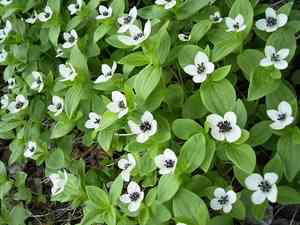
Chinese tupelo (Nyssa sinensis)
Also known as: Chinese tupelo, Chinese black gum
The Chinese tupelo, or Nyssa sinensis, is a deciduous tree from China, recognized for its elegant pyramidal shape and glossy green foliage that transforms into brilliant red, orange, and yellow hues in the fall. It flourishes in moist, well-drained soils, commonly found near water bodies like streams and rivers. The tree produces small, bluish-black fruits that attract wildlife, offering both visual appeal and ecological benefits. Its graceful, tiered branches and striking autumn colors make it a standout feature in any landscape.
In This Article
Attributes of Chinese tupelo
Lifespan
Perennial
Plant Type
Tree
Plant Height
11 m to 15 m
Spread
8 m to 11 m
Leaf Color
Yellow Red Green Orange Gold Bronze
Flower Size
Small, not significant
Flower Color
Green
Quickly Identify Chinese tupelo
1
Distinctive bronze-purple leaves transitioning to lush green in spring.
2
Vivid autumnal display with orange, yellow, and red foliage.
3
Deep blue to purple drupes, 0.5-0.6 inches (12-15 mm) in diameter.
4
Simple, ovate leaves with pinnate vein pattern and vibrant autumn colors.
5
Small greenish-white flowers in axillary clusters, 0.1-0.2 inches (2.5-5 mm).
Scientific Classification of Chinese tupelo
Phylum
Vascular plants
Class
Dicotyledons
Order
Dogwoods, hydrangeas, and allies
Family
Tupelo
Genus
Tupelo
Species
Chinese tupelo
Planting and Growing of Chinese tupelo
Care Difficulty
Easy
Watering Schedule
Every 4 days
Sunlight Requirements
Partial sun
Sunshine Duration
4-6 hours
Ideal Temperature
60-75℉
Soil Type
Potting Mix, Peat Mix
Soil pH
6.5-7.5
Fertilizer Type
Balanced
Pruning Season
Spring, Summer
Pruning Area
Branches, Leaves
Pruning Frequency
2 times a year
Repotting Season
Spring
Pot Type
Ceramic, Plastic
 How to Water Chinese tupelo?
For Nyssa sinensis, ensure that each watering session provides about 500 milliliters of water. Aim to saturate the soil evenly without causing water to pool on the surface. This supports the tree's health without encouraging root rot from oversaturation.
What are the symptoms of an underwatered Chinese tupelo?
›
What should I do if my Chinese tupelo is not getting enough water?
›
What are the symptoms of an overwatered Chinese tupelo?
›
How to save an overwatered Chinese tupelo?
›
 What Are the Sunlight Requirements for Chinese tupelo?
Nyssa sinensis ideally requires partial sunlight, benefiting from both early morning sun and some protection from the harsh afternoon rays. With this light range, it enjoys improved growth patterns and vibrant foliage.
Optimal Sunlight Amount
›
Preferred Light Type
›
Solution to Achieve Ideal Conditions
›
 What Is the Ideal Temperature Range for Chinese tupelo?
The ideal temperature range for Nyssa sinensis is between 60°F to 75°F. This range supports healthy growth, ensuring the plant has optimal conditions for photosynthesis and nutrient uptake. Ambient temperatures within this range facilitate balanced metabolic processes, promoting robust health and growth.
 What Soil is Best for Chinese tupelo?
Nyssa sinensis thrives in soil that has a good balance of moisture retention without being waterlogged. This helps the roots access an ample water supply during dry periods, enhancing the plant's growth and health. The tree benefits from a soil that is rich in organic matter, providing essential nutrients for vigorous growth and development. Enriching the soil with compost annually ensures robust health and vibrant foliage. This species does well in well-drained soils that prevent root rot. The ability of the soil to drain excess water quickly helps prevent issues related to fungal diseases, promoting a healthy root system.
 How to Fertilize Chinese tupelo?
For Nyssa sinensis, it's crucial to avoid over-fertilizing. Use a balanced fertilizer at half the recommended strength for younger plants, as they are more sensitive. Mature trees can handle full-strength applications, but moderation is key. As a rough guide, use about one cup of slow-release granules for each meter of height for older plants.
 How to Prune Chinese tupelo?
Begin by assessing the overall health of your Nyssa sinensis. Look for any signs of disease, dead wood, or overcrowded branches. Removing these first ensures that the plant's energy is conserved for healthier growth. Focus on thinning the internal branches to allow sunlight to penetrate and air to circulate. Nyssa sinensis thrives with good ventilation, which also helps prevent fungal infections. When shaping the canopy, aim for a balanced and aesthetic form. Always use sharp and clean tools to make neat cuts, and cut at an angle to promote water runoff, reducing the risk of rot. After pruning, apply a balanced fertilizer to support the recovery of the tree. Water thoroughly to aid in the plant's adjustment to its new shape and improve nutrient uptake.
More About Pruning Techniques→
 How to Propagate Chinese tupelo plant?
1
Collect seeds in the autumn when the fruits are ripe, and clean them to remove any pulp. Stratify the seeds by chilling them in moist sand for several weeks to break dormancy before sowing in early spring.
2
Select healthy and semi-hardwood cuttings during late spring or early summer. Cut about 6 inches below a node, remove leaves from the bottom half, and dip in rooting hormone for best results.
3
Plant seeds or prepared cuttings in a mix of peat and perlite. Maintain appropriate moisture and humidity levels, and place them in a location with bright, indirect light. Be patient, as germination and rooting may take several weeks.
 How to Repot Chinese tupelo plant?
1
Signs that your Nyssa sinensis needs repotting include roots growing out of the drainage holes and soil that dries out too quickly after watering. The ideal time to repot is in the spring or autumn when the plant is actively growing and can more easily recover from being disturbed.
2
Select a pot that is only about 2 inches wider than the current one. A slightly larger pot encourages root growth without causing water to stagnate, reducing the risk of root rot. Ensure it has proper drainage holes to keep the soil aerated and healthy.
3
Choose a well-draining, rich soil mixture, ideally a blend of garden loam with organic matter like compost. This mix provides the necessary nutrients while preventing waterlogging, which helps keep your Nyssa sinensis healthy and thriving.



