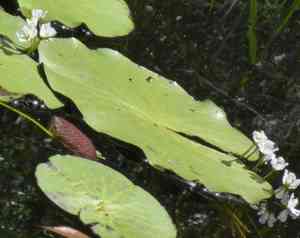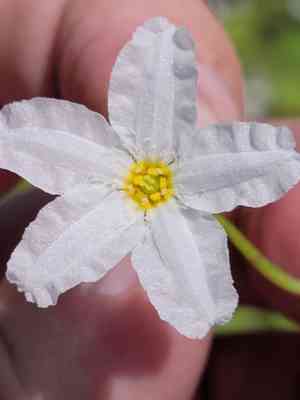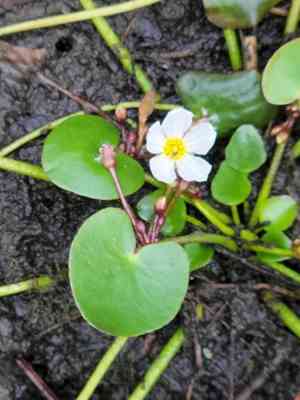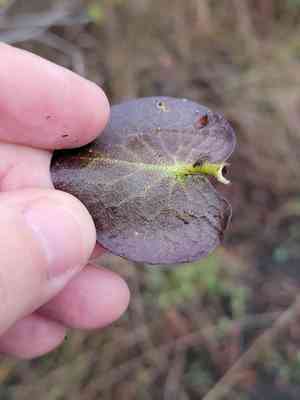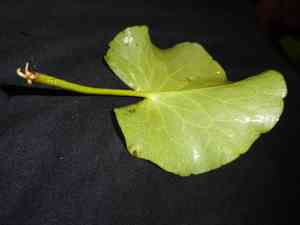
Hybrid floatingheart(Nymphoides aquatica)

Hybrid floatingheart (Nymphoides aquatica)

Also known as: Floating-heart

For a plant that can thrive both rooted and floating, here are the key growing conditions and propagation methods:

**Growing Conditions:**
1. **Light:** Prefers bright, indirect light to support healthy growth. Can tolerate moderate light but may not flourish as well.
2. **Temperature:** Thrives in tropical temperatures, ideally between 72-82°F (22-28°C).
3. **Water Quality:** Requires clean, well-oxygenated water. Regular water changes maintain optimal conditions.
4. **Substrate (if rooted):** Use nutrient-rich substrate but avoid burying the rootstock completely.

**Propagation Methods:**
1. **Natural Runners:** Utilize the runners that the plant naturally produces for new growth.
2. **Division:** Divide the rootstock or offshoots carefully and replant them.
3. **Replacement:** As a perennial, it's recommended to replace the plant every 4-5 years to maintain vigor.

These guidelines help ensure that the plant remains healthy whether it's rooted in the substrate or floating freely.

Attributes of Hybrid floatingheart

Lifespan
Perennial
Plant Type
Herb
Plant Height
0 mm to 30 cm
Spread
2.5 m
Leaf Color
Green Blue
Flower Size
2-3 cm
Flower Color
White

ForwardPlant - Identify plants with a snap

Identify and diagnose plants, get toxicity alerts, and explore safety guides for all types of fungi.

Try for Free

Images of Hybrid floatingheart

Hybrid floatingheart(Nymphoides aquatica)

Quickly Identify Hybrid floatingheart

1
Look for its small, white flowers with yellow centers, floating oval leaves, and characteristic banana-shaped tubers near the base of the plant.

Scientific Classification of Hybrid floatingheart

Phylum
Vascular plants
Class
Dicotyledons
Order
Asterales
Family
Buckbean
Genus
Nymphoides
Species
Hybrid floatingheart

Planting and Growing of Hybrid floatingheart

Care Difficulty
Easy
Watering Schedule
Every 4 days
Sunlight Requirements
Partial sun
Sunshine Duration
4-6 hours
Ideal Temperature
68-75℉
Soil Type
Potting Mix, Peat Mix
Soil pH
6.5-7.5
Fertilizer Type
Balanced
Pruning Season
Spring, Summer
Pruning Area
Branches, Leaves
Pruning Frequency
Once a year
Repotting Season
Spring
Pot Type
Plastic, Ceramic

water icon How to Water Hybrid floatingheart?

For Nymphoides aquatica, ensure the water level keeps the base of the stems submerged, as they are aquatic plants. The ideal amount is around 500 ml per watering, just enough to maintain the aquatic setting without overflowing.
What are the symptoms of an underwatered Hybrid floatingheart? ›
What should I do if my Hybrid floatingheart is not getting enough water? ›
What are the symptoms of an overwatered Hybrid floatingheart? ›
How to save an overwatered Hybrid floatingheart? ›

sunlight icon What Are the Sunlight Requirements for Hybrid floatingheart?

Sunlight Requirements: Partial sun, Full sun
Duration of light: 4 to 6 hours
Partial sun allows Nymphoides aquatica access to gentle morning sunlight while avoiding harsh midday rays. This lighting condition promotes optimal growth, healthy leaf coloration, and robust plant vitality.
What is the perfect sunlight exposure? ›
How can I ensure optimal light for my plant? ›
What benefits can the right light bring to my plant? ›

temperature icon What Is the Ideal Temperature Range for Hybrid floatingheart?

Ideal Temperature: 68 ~ 75℉
The ideal temperature range for Nymphoides aquatica is essential as it ensures optimal growth and development. Maintaining temperatures between 68°F and 75°F gives the plant conditions similar to its natural habitat, promoting healthy leaf production and robust root systems.

soil icon What Soil is Best for Hybrid floatingheart?

Soil type: Sandy loam, Loam
Soil PH: 6.5 ~ 7.5
Nymphoides aquatica thrives in soils that retain moisture well. This ability to hold water supports the plant during dry spells, allowing it to remain hydrated without the risk of waterlogging. The plant benefits from fertile, nutrient-rich soils that offer abundant organic matter. This nutrient density promotes healthy growth and robust flowering, essential for its ecological role. Well-aerated soil is crucial, as it prevents root suffocation and ensures efficient gas exchange. Such conditions enhance root health and overall vitality of the plant.

fertilize icon How to Fertilize Hybrid floatingheart?

Fertilizer type: Balanced
For Nymphoides aquatica, the fertilizer amount should be measured carefully. Generally, liquid fertilizers should be diluted to half strength, approximately 1/2 tablespoon per gallon of water. For slow-release granules, use around 1 tablespoon per plant to avoid over-fertilizing.

prune icon How to Prune Hybrid floatingheart?

Pruning Time: Spring, Summer, Autumn
Start by closely inspecting the plant for any old, yellow, or decaying leaves. These are the ones that should be prioritized for removal, as they can detract from both the plant's growth potential and its aesthetic value. When pruning, make your cuts as close to the plant's base as possible. This helps in reducing unsightly stubs and encourages new growth to emerge cleanly from the plant's core. For optimal plant health, disinfect your pruning scissors between each cut if dealing with disease, to prevent the spread of pathogens throughout the plant. A quick dip in a bleach solution or isopropyl alcohol can do the trick. More About Pruning Techniques→

propagate icon How to Propagate Hybrid floatingheart plant?

Propagate Time: Spring,Early summer
1
Start by collecting seeds from mature Nymphoides aquatica plants when they start to develop after flowering. Ensure the seeds are properly dried before storage to prevent mold.
2
Carefully divide the rhizomes underwater using a sharp tool. Make sure each division has buds that can sprout new growth. Handle the rhizomes gently to avoid damage.
3
Place seeds or rhizome divisions in appropriate aquatic substrates within a shallow pond or water-filled container. Ensure there is enough sunlight and water circulation for germination and growth.
More About Propagating Techniques→

repot icon How to Repot Hybrid floatingheart plant?

Repotting frequency: Every 1-2 years
1
Repotting should occur when the plant shows signs of outgrowing its container, such as roots visible through the drainage holes or stunted growth. The best signal is when the plant continues to grow despite reduced space.
2
Select a pot that is shallow and wide, as this supports the spread of its roots and floating leaves. A broad container ensures stability and allows sufficient water space, which is crucial for Nymphoides aquatica's growth.
3
Choose rich, loamy wet soil, which retains moisture while providing essential nutrients. This type of soil effectively mimics the plant's natural habitat, promoting healthy growth and robust foliage development.

ForwardPlant - Identify plants with a snap

Find the best spots for them to optimize their health, simply using your phone.

Try for Free