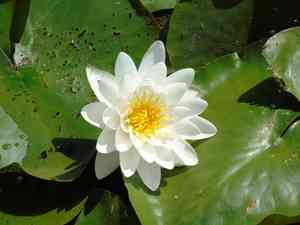
Water lilies (Nymphaea) (Nymphaea)
Also known as: Water Lily, Lotus
Water lilies are resilient aquatic plants known for their striking flowers and iconic "lily pads." These plants have appeared in various symbols, emblems, and artistic pieces across history. Notably, they were famously captured in the artwork of French artist Claude Monet. Presently, water lilies hold the distinction of being the national flowers of Sri Lanka and Bangladesh.
In This Article
Attributes of Water lilies (Nymphaea)
Lifespan
Perennial
Plant Height
20 cm
Spread
60 cm
Leaf Color
Green
Flower Size
15 cm
Flower Color
White, Pink, Blue, Yellow, Red
Images of Water lilies (Nymphaea)

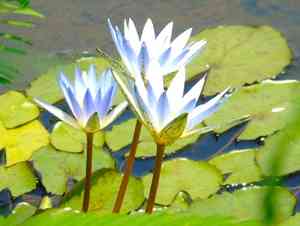
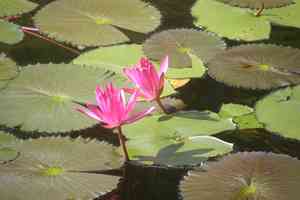
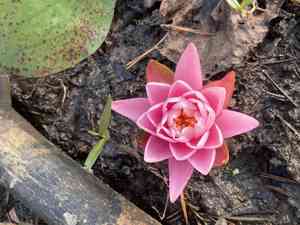
Quickly Identify Water lilies (Nymphaea)
1
To identify Nymphaea, look for circular or oval, leathery, floating leaves that are usually large and flat. The flowers come in various colors and have a central cluster of stamens. They typically float on the water surface or are held slightly above it.
Scientific Classification of Water lilies (Nymphaea)
Phylum
Magnoliophyta
Class
Magnoliopsida
Order
Nymphaeales
Family
Nymphaeaceae
Genus
Nymphaea
Planting and Growing of Water lilies (Nymphaea)
Care Difficulty
Moderate
Watering Schedule
Every 4 days
Sunlight Requirements
Full sun
Sunshine Duration
4-8 hours
Ideal Temperature
75-85℉
Soil Type
Potting Mix, Peat Mix
Soil pH
6-8
Fertilizer Type
Balanced
Pruning Season
Spring, Summer
Pruning Area
Branches, Leaves
Pruning Frequency
2 times a year
Repotting Season
Spring
Pot Type
Terracotta, Plastic
 How to Water Water lilies (Nymphaea)?
Nymphaea, or water lilies, require a considerable amount of water to thrive, given their aquatic nature. When watering, ensure the soil or pond they're planted in is consistently submerged, mimicking their natural habitat. The goal is to maintain a balanced water level that simulates calm waters.
What are the symptoms of an underwatered Water lilies (Nymphaea)?
›
What should I do if my Water lilies (Nymphaea) is not getting enough water?
›
What are the symptoms of an overwatered Water lilies (Nymphaea)?
›
How to save an overwatered Water lilies (Nymphaea)?
›
 What Are the Sunlight Requirements for Water lilies (Nymphaea)?
Nymphaea prefers full sun, benefiting from 6 to 8 hours of direct sunlight daily, promoting lush foliage and abundant blooming, ensuring a thriving aquatic plant display.
What is the ideal lighting condition for Nymphaea?
›
How can you ensure ideal lighting for Nymphaea?
›
What are the benefits of ideal lighting for Nymphaea?
›
 What Is the Ideal Temperature Range for Water lilies (Nymphaea)?
For optimal growth, Nymphaea species ideally require a temperature range of 75 to 85°F. This range allows for balanced photosynthesis and metabolic activities, aiding in robust leaf production and vibrant bloom formation. Maintaining this temperature also helps in avoiding stress conditions that might otherwise impair the plant's growth and health.
 What Soil is Best for Water lilies (Nymphaea)?
Nymphaea, or water lilies, thrive in soil that effectively retains moisture. The loam and clay soil mix allows for adequate water retention, ensuring the roots remain hydrated. This prevents dehydration, leading to vibrant and sustained blooms throughout the growing season. Choose soil rich in essential nutrients such as phosphorus and nitrogen to support healthy growth. These nutrients promote lush foliage and prolific flowering, ensuring that the water lilies not only survive but thrive. While moisture retention is critical, adequate drainage is equally important to prevent root rot. Sandy loam ensures optimal drainage while still retaining necessary moisture levels, thus maintaining the ideal balance for root health.
 How to Fertilize Water lilies (Nymphaea)?
Nymphaea, commonly known as water lilies, require a balanced fertilizer regime to thrive. Generally, these plants benefit from a liquid fertilizer applied twice a month during the growing season. A 10-10-10 NPK formulation, diluted to half the recommended strength, is often ideal. For slow-release fertilizers, small pellets or tablets can be inserted into the soil around the base of the plant approximately three times a year, ensuring a consistent supply of nutrients.
 How to Prune Water lilies (Nymphaea)?
Begin by identifying which leaves of the Nymphaea need removal. Look for brown, yellowing, or damaged leaves as these should be the primary focus of your pruning efforts. When removing leaves, cut them off at the base near where the leaf stem meets the main plant. This helps the plant redirect energy towards healthier parts while minimizing rot risks. After pruning, ensure any trimmed pieces are removed from the water to prevent decomposition which can affect water quality and overall plant health.
 How to Propagate Water lilies (Nymphaea) plant?
1
Collect mature seeds from the Nymphaea flowers. Soak them in water for 24 hours to soften the seed coat, enhancing germination rates.
2
Place the soaked seeds in a seed tray filled with aquatic compost. Ensure they are half-submerged in water under direct sunlight to promote sprouting.
3
For division, carefully remove the plant from the water. Cut the rhizome into sections with a healthy root system, then replant each section immediately.
 How to Repot Water lilies (Nymphaea) plant?
1
Look for crowded rhizomes or reduced blooming. Spring is ideal for repotting as the plant is gearing up for a growing season. If blooms are smaller or fewer, it's likely time for a roomier pot to allow growth.
2
Select a wide, shallow pot that accommodates the spreading habit of water lilies. The width allows rhizomes to spread horizontally, providing stability and ample space for future growth, making it easier for the plant to access nutrients.
3
Opt for a heavy loam or clayey soil to anchor the plant firmly. These soils are rich in minerals and nutrients, provide adequate weight to prevent flotation, and ensure sustained nutrient availability in an aquatic environment.
Learn More About Water lilies (Nymphaea) Diseases
Anthracnose
Bacterial Leaf Spot
Bacterial Soft Rot
Bacterial Wilt
Black Spot
Chemical Injury
Crown Gall
Cyst Nematode
Damping-off
Downy Mildew
Drought Stress
Fusarium Wilt
Gray Mold
Leaf Spot
Mosaic
Nutrient Deficiency
Nutrient Toxicity
Powdery Mildew
Root Rot
Root-knot Nematode
Rusts
Sooty Mold
Spider Mites
Temperature Stress
Thrips Damage
White Mold

