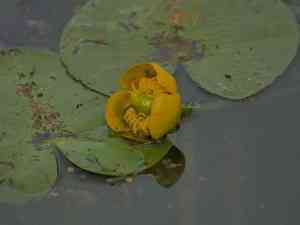
Varigated yellow pond-lily (Nuphar lutea)
Also known as: Yellow pond lily, Yellow cow lily, Rocky mountain cowlily, Rocky mountain pondlily
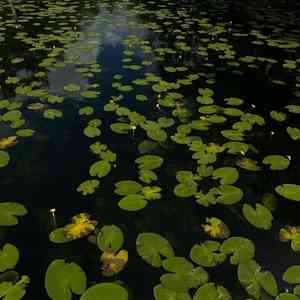
The plant in question is the yellow pond-lily (Nuphar lutea), an aquatic species native to North America. It has floating leaves and is often called "brandy bottle" due to its flowers' stale alcohol-like scent and its bottle- or vase-shaped fruits. Notably, the flag of Friesland, a Dutch province, includes the leaves of this plant in its design.
In This Article
Attributes of Varigated yellow pond-lily
Lifespan
Perennial
Plant Type
Herb
Plant Height
30 cm to 91 cm
Spread
1.5 m
Leaf Color
Green
Flower Size
5 cm to 8 cm
Flower Color
Yellow
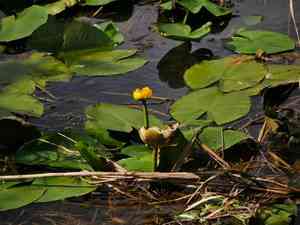
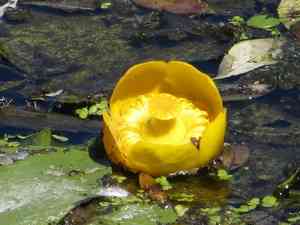
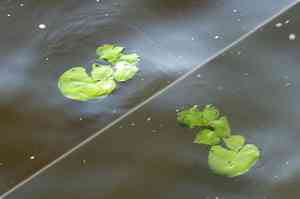
Images of Varigated yellow pond-lily
Quickly Identify Varigated yellow pond-lily
1
Look for large, heart-shaped leaves floating on the water surface and yellow, cup-shaped flowers with a strong fragrance. The plant typically grows in shallow water and has long, thick rhizomes.
Scientific Classification of Varigated yellow pond-lily
Phylum
Vascular plants
Class
Dicotyledons
Order
Nymphaeales
Family
Water-lily
Genus
Pond-lily
Species
Varigated yellow pond-lily
Planting and Growing of Varigated yellow pond-lily
Care Difficulty
Moderate
Watering Schedule
Every 2 days
Sunlight Requirements
Full sun
Sunshine Duration
6-8 hours
Ideal Temperature
68-77℉
Soil Type
Potting Mix, Peat Mix
Soil pH
6.5-7.5
Fertilizer Type
Balanced
Pruning Season
Spring, Summer
Pruning Area
Branches, Leaves
Pruning Frequency
2 times a year
Repotting Season
Spring
Pot Type
Plastic, Ceramic
 How to Water Varigated yellow pond-lily?
For Nuphar lutea, often known as the yellow water lily, a watering routine should mimic its natural aquatic habitat. It is crucial to keep the soil consistently moist, ensuring that the surrounding soil never dries out completely but isn't overly soggy—around 500 ml per session suffices.
What are the symptoms of an underwatered Varigated yellow pond-lily?
›
What should I do if my Varigated yellow pond-lily is not getting enough water?
›
What are the symptoms of an overwatered Varigated yellow pond-lily?
›
How to save an overwatered Varigated yellow pond-lily?
›
 What Are the Sunlight Requirements for Varigated yellow pond-lily?
Partial sun to full sun exposure allows Nuphar lutea to flourish, promoting healthy blooms and vibrant leaf growth by facilitating adequate photosynthesis.
More About Sunlight Requirements Techniques→
Optimal Light Requirement
›
Ways to Achieve Ideal Lighting
›
Benefits of Ideal Lighting
›
 What Is the Ideal Temperature Range for Varigated yellow pond-lily?
Nuphar lutea thrives in temperatures ranging from 68°F to 77°F. Within this range, the plant's metabolic processes function optimally, allowing for proper growth and healthy foliage. Maintaining these temperatures can ensure vigorous blooming and robust plant health.
 What Soil is Best for Varigated yellow pond-lily?
Nuphar lutea thrives in soils that retain moisture well. Loam soil offers optimal moisture retention, ensuring the plant remains hydrated. This is essential because its natural habitat is in the water, making moisture a critical factor for its survival. This plant prefers nutrient-rich soils since they support its robust growth. Loam soil, known for its balance of nutrients, provides the required minerals and organic matter for Nuphar lutea to flourish and maintain its vibrant foliage. Good aeration is crucial for the rhizomes of Nuphar lutea, allowing them to breathe and avoid rot. Loam soils have a crumbly texture that facilitates airflow, supporting healthy root development and overall plant health.
 How to Fertilize Varigated yellow pond-lily?
Nuphar lutea generally benefits from a moderate amount of fertilizer. For liquid fertilizers dissolved in water, use a concentration rate of about 1/4 of the recommended amount per month. Solid fertilizers can be used less frequently, with about 20 grams per square meter if considering slow-release pellets.
 How to Prune Varigated yellow pond-lily?
First, locate the old or diseased leaves, which typically turn yellow or brown. These leaves are the primary candidates for removal. Using sharp scissors or pruners, cut the identified leaves at their base, near the water level, to minimize stress on the plant. After the bloom cycle, remove any spent flower stems to prevent them from decaying and affecting water quality.
More About Pruning Techniques→
 How to Propagate Varigated yellow pond-lily plant?
1
Collect seeds from mature seed pods and soak them in water for 24 hours before sowing to enhance germination rates.
2
Sow soaked seeds in a shallow seed tray filled with moist soil, ensuring they are not buried too deep, as they require light for germination.
3
Carefully dig out mature Nuphar lutea clumps and separate individual root systems using a trowel. Replant divisions with the rhizome partly submerged in water.
 How to Repot Varigated yellow pond-lily plant?
1
Repot when you notice signs of overcrowding or slow growth. If leaves become smaller and the plant seems stunted, it's a sure sign that it's time to provide more space. You might also see roots protruding out of the drainage holes.
2
Choose a pot that is 2-3 inches wider than the current one. This ensures enough root space without overwhelming the plant. A pot with adequate drainage holes is essential to prevent waterlogging, allowing the roots to breathe effectively.
3
Select well-drained loamy soil ideal for water plants. It ensures good retention of moisture while allowing excess water to flow away. A soil mix with clay and sand in the right proportion maintains aeration and prevents root rot, supporting healthy growth.
Toxicity
Ingestion, Contact
WARNING
The judgment on toxicity and danger is for reference only. We DO NOT GUARANTEE any accuracy of such judgment. Therefore, you SHALL NOT rely on such judgment. It is IMPORTANT TO SEEK PROFESSIONAL ADVICE in advance when necessary.



