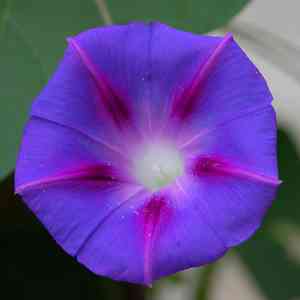
Chilean bellflower (Nolana paradoxa)
Also known as: Chilean bellflower, Cup of Gold
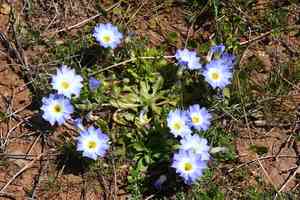
Nolana paradoxa, also known as the Chilean bell flower, is a creeping or mounding annual plant, though it can sometimes be perennial. It has succulent, grey-green leaves that occasionally form a basal rosette and may be slightly hairy. The plant typically grows to about 15 cm in height. It produces striking blue to violet, trumpet-shaped flowers with white or yellow centers, and is well-suited for use in ground cover, rock gardens, or hanging baskets.
In This Article
Attributes of Chilean bellflower
Lifespan
Annual, Perennial
Plant Type
Herb
Plant Height
20 cm
Spread
60 cm
Leaf Color
Green
Flower Size
2-5 cm
Flower Color
White Blue Yellow Cream Purple
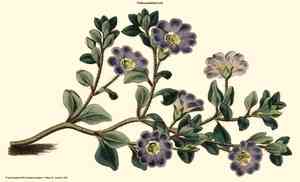
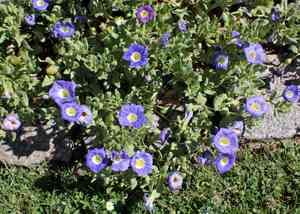
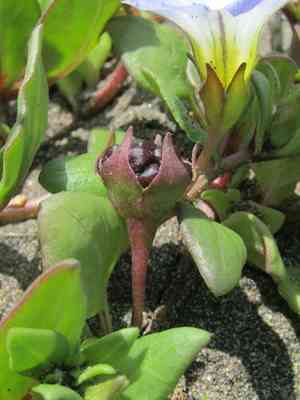
Images of Chilean bellflower
Quickly Identify Chilean bellflower
1
The plant can be identified by its sprawling, low-growing habit and the distinctive bell-shaped flowers that range in color from blue to purple with a white throat. The leaves are fleshy, oval to oblong, and somewhat succulent.
Scientific Classification of Chilean bellflower
Phylum
Vascular plants
Class
Dicotyledons
Order
Nightshades, bindweeds, gooseweeds, and allies
Family
Nightshade
Genus
Nolana
Species
Chilean bellflower
Planting and Growing of Chilean bellflower
Care Difficulty
Easy
Watering Schedule
Every 2 days
Sunlight Requirements
Full sun
Sunshine Duration
6-10 hours
Ideal Temperature
60-75℉
Soil Type
Potting Mix, Peat Mix
Soil pH
6.5-7.5
Fertilizer Type
Balanced
Pruning Season
Spring, Summer
Pruning Area
Branches, Leaves
Pruning Frequency
2 times a year
Repotting Season
Spring
Pot Type
Terracotta, Plastic
 How to Water Chilean bellflower?
For Nolana paradoxa, aim to water with about 300 milliliters to ensure the soil is consistently moist but not waterlogged. Allow the topsoil to dry out slightly between waterings to mimic its natural habitat conditions. This helps the plant's roots to breathe and prevents mold or root disease.
What are the symptoms of an underwatered Chilean bellflower?
›
What should I do if my Chilean bellflower is not getting enough water?
›
What are the symptoms of an overwatered Chilean bellflower?
›
How to save an overwatered Chilean bellflower?
›
 What Are the Sunlight Requirements for Chilean bellflower?
Nolana paradoxa thrives best with partial to full sunlight exposure, receiving between 6 to 9 hours of light per day. Adequate light enhances its photosynthetic capacity, promoting healthy growth, vibrant blooms, and an overall robust plant structure.
More About Sunlight Requirements Techniques→
Where should Nolana paradoxa be placed for best growth?
›
How can I replicate ideal lighting conditions for Nolana paradoxa indoors?
›
What are the benefits of providing optimal light conditions to Nolana paradoxa?
›
 What Is the Ideal Temperature Range for Chilean bellflower?
The ideal temperature range for growing Nolana paradoxa is between 60°F and 75°F. This range promotes healthy growth and encourages flowering. Consistent temperatures within this range provide optimal conditions for nutrient absorption and metabolic functions, necessary for robust plant development.
 What Soil is Best for Chilean bellflower?
Nolana paradoxa thrives best in well-drained soil as it prevents root rot. This type of soil ensures that water doesn't accumulate around the roots, making it ideal for healthy growth. This plant benefits significantly from soil that is rich in nutrients, providing essential minerals and nourishment. Fertile soil supports the plant's robust growth and vibrant flowering. Soils that retain moderate moisture but still allow excess water to drain enhance plant health. Ensures that roots receive adequate water without drowning or drying out quickly.
 How to Fertilize Chilean bellflower?
When fertilizing Nolana paradoxa, be cautious not to overwhelm it. A modest amount, about one tablespoon of slow-release granules, or 1 teaspoon of liquid fertilizer mixed with water, should suffice. It is important to ensure the fertilizer is well-dissolved before application to avoid root burn.
 How to Prune Chilean bellflower?
Start by identifying branches that appear overly long, damaged, or spindly. It's important to maintain the plant's natural form, so focus on cutting just above a leaf node to promote new, healthy growth. To avoid cutting off the flowering stems, it's best to prune immediately after the plant has finished blooming. This gives Nolana paradoxa the chance to develop new blooms for the next flowering season.
More About Pruning Techniques→
 How to Propagate Chilean bellflower plant?
1
To propagate Nolana paradoxa from seeds, begin by collecting ripe seeds from mature plants. Ensure the seeds are fully dry before storing them in a cool, dry place to increase their viability until planting season.
2
When taking cuttings, choose healthy stems and cut at an angle just below a node. Remove any lower leaves and dip the cut end into rooting hormone to promote root development.
3
Insert the prepared cuttings into a moist, well-draining soil mix. Position them to maintain good air circulation and cover with a transparent plastic bag to retain humidity, checking regularly to prevent condensation buildup.
 How to Repot Chilean bellflower plant?
1
Nolana paradoxa indicates it's time for a new pot when roots are visibly circling the pot's surface or protruding out of drainage holes. Additionally, reduced growth or yellowing leaves can signal it's time for repotting. Opt for spring when the plant is actively growing for the best results.
2
Select a pot that is slightly larger than the current one, ideally 1-2 inches in diameter more. This allows room for root growth yet prevents excessive soil retaining water, thus reducing root rot risk. Ensure it has drainage holes to allow excess water to escape.
3
A well-draining potting mix is crucial for Nolana paradoxa. Such soil should support good aeration and moisture retention but prevent waterlogging. Incorporating sand or perlite enhances drainage and simulates its natural sandy coastal environment.
Learn More About Chilean bellflower Diseases
Anthracnose
Bacterial Leaf Spot
Bacterial Soft Rot
Bacterial Wilt
Chemical Injury
Damping-off
Downy Mildew
Drought Stress
Fusarium Wilt
Gray Mold
Leaf Curl
Leaf Spot
Mosaic
Nutrient Deficiency
Nutrient Toxicity
Powdery Mildew
Root Rot
Root-knot Nematode
Rusts
Sooty Mold
Spider Mites
Temperature Stress
Thrips Damage
White Mold



