Nidularium billbergioides (Nidularium billbergioides)
Also known as: None
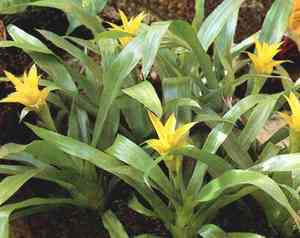
Nidularium billbergioides is a species of flowering plant in the Bromeliad family, native to Brazil. It is known for its vibrant yellow bracts and green leaves, adding a splash of color to shaded areas.
In This Article
Attributes of Nidularium billbergioides
Lifespan
Nidularium billbergioides is a perennial plant
Plant Height
25–50 cm
Spread
30–60 cm
Leaf Color
Green
Flower Size
15–30 cm
Flower Color
Red
Images of Nidularium billbergioides
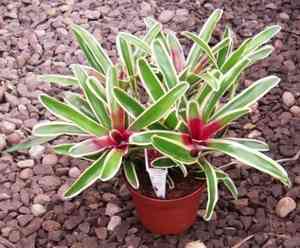
Quickly Identify Nidularium billbergioides
1
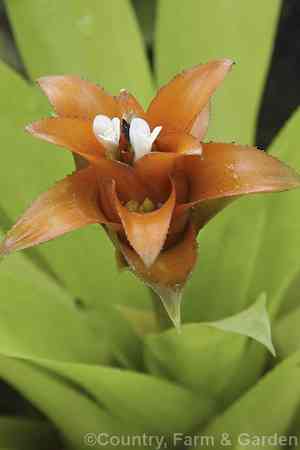
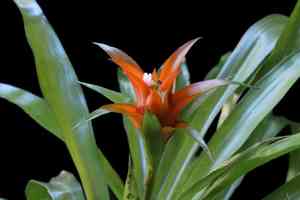
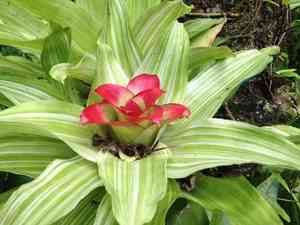
This plant is identified by its rosette-forming habit, with broad green leaves and bright yellow bracts in the center. Unlike some Bromeliads, it does not have a prominent stem.
Scientific Classification of Nidularium billbergioides
Phylum
Magnoliophyta
Class
Liliopsida
Order
Poales
Family
Bromeliaceae
Genus
Nidularium
Planting and Growing of Nidularium billbergioides
Care Difficulty
Easy
Watering Schedule
Every 3 days
Sunlight Requirements
Partial sun
Sunshine Duration
6-8 hours
Ideal Temperature
65-75℉
Soil Type
Potting Mix, Peat Mix
Soil pH
6.5-7.5
Fertilizer Type
Balanced
Pruning Season
Spring, Summer
Pruning Area
Branches, Leaves
Pruning Frequency
2 times a year
Repotting Season
Spring
Pot Type
Plastic, Ceramic
 How to Water Nidularium billbergioides?
The Nidularium billbergioides should be watered to ensure the soil is consistently moist but not waterlogged. Around 150 ml of water should suffice, aiming for a balance where the top layer of soil feels damp, but excess water does not stand at the bottom of the pot. It's crucial to ensure the central cup is also filled, as Bromeliads absorb water through this part.
What are the symptoms of an underwatered Nidularium billbergioides?
›
What should I do if my Nidularium billbergioides is not getting enough water?
›
What are the symptoms of an overwatered Nidularium billbergioides?
›
How to save an overwatered Nidularium billbergioides?
›
 What Are the Sunlight Requirements for Nidularium billbergioides?
Partial sun offers the best environment for Nidularium billbergioides, mimicking its natural habitat under tree canopies. Ideal lighting encourages lush foliage, maintains vibrant leaf colors, and supports flowering.
What is the best lighting setup for Nidularium billbergioides?
›
How do I adjust lighting if natural sunlight fluctuates?
›
What benefits does the right lighting offer my Nidularium billbergioides?
›
 What Is the Ideal Temperature Range for Nidularium billbergioides?
The ideal temperature range for Nidularium billbergioides is between 65°F and 75°F. This temperature range supports healthy growth by mimicking its native tropical climate conditions. Maintaining these conditions helps the plant thrive, promoting vibrant foliage and optimal development.
 What Soil is Best for Nidularium billbergioides?
Nidularium billbergioides thrives in well-draining soil to prevent root rot. Ensuring the soil doesn't retain excessive moisture promotes healthy growth and vibrant foliage. Adding compost or leaf mold enhances soil fertility. Organic matter improves structure, aeration, and nutrient availability, facilitating robust growth in Nidularium billbergioides. The plant prefers soil that can retain some moisture without becoming waterlogged. Proper moisture retention encourages lush development and sustained health.
 How to Fertilize Nidularium billbergioides?
For Nidularium billbergioides, a dilute liquid fertilizer solution with a concentration of 1/4 or half the recommended strength is ideal. This ensures that the delicate plant tissues receive necessary nutrients without risking nutrient burn.
 How to Prune Nidularium billbergioides?
Start by inspecting your Nidularium billbergioides for any dead or dying leaves. Gently snip these away at the base, careful to avoid any new growth. Prune conservatively to maintain the plant’s natural shape, and always cut with precision to avoid damaging healthy tissue. Pruning not only helps in keeping the plant tidy but also encourages new growth. By removing the older, less productive leaves, you allow more sunlight to reach the younger leaves, stimulating their growth. Be sure to leave a few older leaves to maintain the plant's stability and photosynthesis efficiency.
 How to Propagate Nidularium billbergioides plant?
1
Observe the base of the plant for pups, which are smaller offshoots that can be separated from the mother. These should ideally have a few roots visible before detachment.
2
Use a sharp knife or scissors to sever the pup from the mother plant as close as possible, taking care not to damage the main plant or the pup.
3
Place each pup into a suitable potting mix with a pot providing adequate drainage. Ensure the base of the pup is just above the line of the soil for optimal growth.
 How to Repot Nidularium billbergioides plant?
1
Repot your Nidularium billbergioides when you notice roots crowding the pot or growing out of the drainage holes. This is a telltale sign the plant needs more space for healthy root growth. Spring or early summer is ideal, as the plant is in its active growth phase.
2
Select a pot that's one size larger than the current one, ensuring it has adequate drainage holes. This encourages better drainage and air circulation, preventing waterlogged roots and reducing the risk of root rot. A pot that's too large can retain excess moisture, harming your plant.
3
Opt for a well-draining potting mix, such as one composed of orchid bark, perlite, and peat moss. This mixture mimics the plant's natural habitat, providing enough structure and drainage. Good soil ensures rapid drainage and retains necessary moisture, promoting healthy growth.
Toxicity
N/A
WARNING
The judgment on toxicity and danger is for reference only. We DO NOT GUARANTEE any accuracy of such judgment. Therefore, you SHALL NOT rely on such judgment. It is IMPORTANT TO SEEK PROFESSIONAL ADVICE in advance when necessary.

