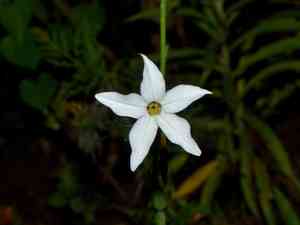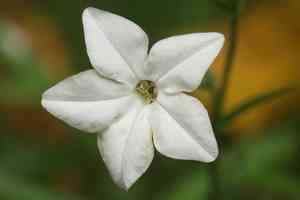
Long-flower tobacco(Nicotiana longiflora)

Long-flower tobacco (Nicotiana longiflora)

Also known as: Long-flowered Tobacco

Resistance from certain species can significantly impact the treatment and management of various diseases. Examples include:

1. **Black Shank:** Resistance from species like Nicotiana longiflora offers near immunity to race 0 of this plant disease but is less effective against race 1.
2. **Cyst Nematode:** Resistance from specific plant species can help manage this soil-borne pest, which affects numerous crops.
3. **Root-Knot Nematode:** Some plant species provide resistance to this nematode, which causes significant damage to root systems.
4. **Wildfire:** Resistance from particular species can help prevent this bacterial disease in plants.

One notable example of utilizing resistance in agriculture is the burley tobacco variety 14 x L8, which remains popular in the U.S. for its effective disease resistance traits.

Attributes of Long-flower tobacco

Lifespan
Annual, Perennial, Biennial
Plant Type
Herb
Plant Height
60-120 cm
Spread
30-50 cm
Leaf Color
Green
Flower Size
2.5-5 cm
Flower Color
White

ForwardPlant - Identify plants with a snap

Identify and diagnose plants, get toxicity alerts, and explore safety guides for all types of fungi.

Try for Free

Images of Long-flower tobacco

Long-flower tobacco(Nicotiana longiflora)

Quickly Identify Long-flower tobacco

1
Nicotiana longiflora can be identified by its long tubular flowers which are typically white with a slight green tint, and by its sticky, hairy leaves and stems.

Scientific Classification of Long-flower tobacco

Phylum
Vascular plants
Class
Dicotyledons
Order
Solanales
Family
Nightshade
Genus
Tobacco plants
Species
Long-flower tobacco

Planting and Growing of Long-flower tobacco

Care Difficulty
Moderate
Watering Schedule
Every 4 days
Sunlight Requirements
Full sun
Sunshine Duration
4-6 hours
Ideal Temperature
65-80℉
Soil Type
Potting Mix, Peat Mix
Soil pH
6.5-7.5
Fertilizer Type
Balanced
Pruning Season
Spring, Summer
Pruning Area
Branches, Leaves
Pruning Frequency
2 times a year
Repotting Season
Spring
Pot Type
Ceramic, Plastic

water icon How to Water Long-flower tobacco?

Nicotiana longiflora thrives with careful hydration. Water approximately 250 mL each time, ensuring that the soil is moist but not waterlogged. This plant prefers a moderate amount of moisture, so water until the top inch of soil is slightly damp.
What are the symptoms of an underwatered Long-flower tobacco? ›
What should I do if my Long-flower tobacco is not getting enough water? ›
What are the symptoms of an overwatered Long-flower tobacco? ›
How to save an overwatered Long-flower tobacco? ›

sunlight icon What Are the Sunlight Requirements for Long-flower tobacco?

Sunlight Requirements: Full sun, Partial sun
Duration of light: 6 to 8 hours
For Nicotiana longiflora, the ideal light range includes full to partial sun. This exposure stimulates vibrant blooms and sturdy plant structure, enhancing overall health and aesthetic appeal.
Optimal Sun Exposure ›
Morning Versus Afternoon Sun ›
Consistent Light Access ›

temperature icon What Is the Ideal Temperature Range for Long-flower tobacco?

Ideal Temperature: 65 ~ 80℉
The ideal temperature range for growing Nicotiana longiflora is between 65°F and 80°F. Within this range, the plant tends to thrive, exhibiting optimal growth and flowering. Temperatures within this bracket support proper metabolic functions and photosynthesis, ensuring the plant remains healthy and robust.

soil icon What Soil is Best for Long-flower tobacco?

Soil type: Sandy loam, Loam
Soil PH: 6.5 ~ 7.5
Nicotiana longiflora thrives in well-draining soil, avoiding root rot and other moisture-related issues. This soil characteristic ensures healthy root development and vigorous plant growth. This plant benefits from soil rich in nutrients, helping it produce vibrant flowers and lush foliage. Adequate organic matter or compost can enhance soil fertility significantly. Nicotiana longiflora requires soil that retains some moisture while still allowing excess water to drain away. This balance supports consistent hydration without waterlogging.

fertilize icon How to Fertilize Long-flower tobacco?

Fertilizer type: Balanced
Nicotiana longiflora benefits from a balanced application of liquid fertilizer at a half-strength concentration every time you fertilize. This allows the plant to receive a consistent supply of nutrients without overwhelming its root system, ensuring healthy growth and abundant flowering.

prune icon How to Prune Long-flower tobacco?

Pruning Time: Spring, Summer, Autumn, Winter
Begin by sterilizing your pruning tools to prevent the spread of disease. Focus on removing any dead or damaged leaves and stems. Cut back any leggy growth to maintain a compact shape. Prune just above a node to encourage new growth to emerge from there. Removing spent flowers can also prolong blooming periods. Deadheading involves removing spent flowers which encourages the plant to produce more blooms. Gently pinch or snip off the dead flowers just below the base of the bloom. This not only tidies the plant but redirects its energy towards new growth and additional blooms.

propagate icon How to Propagate Long-flower tobacco plant?

Propagate Time: Spring,Early spring
1
Use a well-draining potting mix, preferably one designed for seeds or cuttings. Fill seed trays or small pots with the mix, leaving about 1 cm of space at the top.
2
Scatter Nicotiana longiflora seeds on the soil surface and lightly press them down. Seeds require light for germination, so avoid covering them with soil.
3
Select healthy, non-flowering stems and cut 3-4 inch segments just below a node. Remove any lower leaves and dip the cut end in rooting hormone to encourage growth.
More About Propagating Techniques→

repot icon How to Repot Long-flower tobacco plant?

Repotting frequency: Annually or biennially
1
Nicotiana longiflora should be repotted when its roots begin crowding the current pot or when growth appears stunted. Early spring is ideal, as the plant can rejuvenate during its active growing season. If roots are visible through drainage holes or growth plateaus despite proper care, this indicates the right time to introduce it to a larger living space.
2
Choose a pot that is one size larger than the current one, allowing ample room for root expansion without overwhelming the plant. A pot with sufficient drainage holes will prevent waterlogging, protecting the roots from rot. Consider porous materials like terracotta, which aid in moisture regulation and enhance air circulation for the roots.
3
Opt for a well-draining, nutrient-rich potting mix, ideally one that retains enough moisture while allowing excess water to escape. A recommended blend includes equal parts peat moss, perlite, and compost. Such soil structure provides an optimal balance of aeration, moisture retention, and nutrient availability, promoting healthy root development and vigorous growth.

ForwardPlant - Identify plants with a snap

Find the best spots for them to optimize their health, simply using your phone.

Try for Free

Toxicity

Ingestion, Dermal contact

Identify toxic plants for your safety

Learn which plants are harmful to you and your pets, and make informed choices for a safer home!

Try for Free
WARNING
The judgment on toxicity and danger is for reference only. We DO NOT GUARANTEE any accuracy of such judgment. Therefore, you SHALL NOT rely on such judgment. It is IMPORTANT TO SEEK PROFESSIONAL ADVICE in advance when necessary.