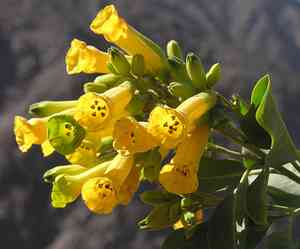
Tree tobacco(Nicotiana glauca)

Tree tobacco (Nicotiana glauca)

Also known as: Tobacco , Tobacco Bush, Tobacco Tree, Mustard tree, Glaucous-leaf tobacco

Nicotiana glauca, commonly known as tree tobacco, originates from South America. It is deemed invasive on other continents, with every part of the plant being toxic.

Attributes of Tree tobacco

Lifespan
Perennial, Annual
Plant Type
Herb
Plant Height
5 m
Spread
2.5 m
Leaf Color
Green Silver
Flower Size
2.5 cm to 5 cm
Flower Color
Yellow Green Cream Gold

PlantJoy - Identify plants with a snap

Identify and diagnose plants, get toxicity alerts, and explore safety guides for all types of fungi.

Try for Free

Images of Tree tobacco

Tree tobacco(Nicotiana glauca)

Quickly Identify Tree tobacco

1
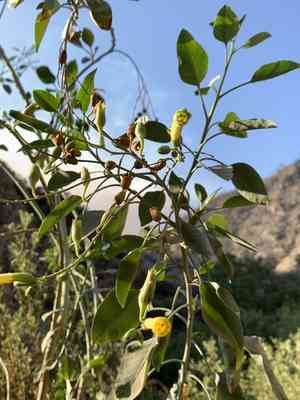
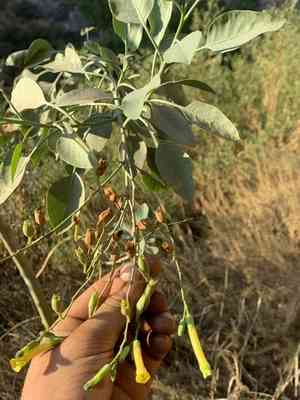
Glaucous oval leaves up to 6 inches (15 cm) long.
2
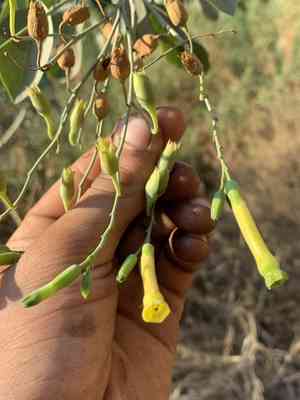
Tubular yellow flowers in clusters, attracting pollinators.
3
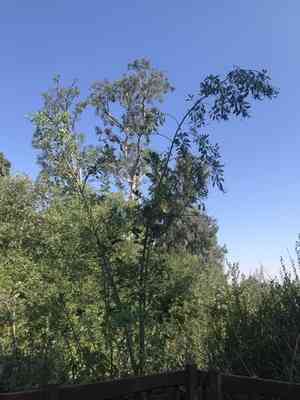
Irregular silhouette, growing in dense groups, up to 20 feet (6 meters) tall.
4
Egg-shaped fruit capsule, 0.5 to 0.75 inches (1.27 to 1.9 cm) long, splitting upon maturity.
5
Smooth, succulent leaves with a waxy coating, oblong to ovate, 2 to 4 inches (5 to 10 cm).

Scientific Classification of Tree tobacco

Phylum
Vascular plants
Class
Dicotyledons
Order
Solanales
Family
Nightshade
Genus
Tobacco plants
Species
Tree tobacco

Planting and Growing of Tree tobacco

Care Difficulty
Easy
Watering Schedule
Every 2 days
Sunlight Requirements
Full sun
Sunshine Duration
6-10 hours
Ideal Temperature
68-77℉
Soil Type
Potting Mix, Peat Mix
Soil pH
6.5-7.5
Fertilizer Type
Balanced
Pruning Season
Spring, Summer
Pruning Area
Branches, Leaves
Pruning Frequency
2 times a year
Repotting Season
Spring
Pot Type
Plastic, Ceramic

water icon How to Water Tree tobacco?

For Nicotiana glauca, it's vital to ensure the soil remains moderately moist without being waterlogged. Aim to provide approximately 250 milliliters per watering session, allowing the water to seep through the soil evenly, reaching the root zones without oversaturation.
What are the symptoms of an underwatered Tree tobacco?
What should I do if my Tree tobacco is not getting enough water?
What are the symptoms of an overwatered Tree tobacco?
How to save an overwatered Tree tobacco?

sunlight icon What Are the Sunlight Requirements for Tree tobacco?

Sunlight Requirements: Full sun, Partial sun
Duration of light: 6 to 8 hours daily
Nicotiana glauca thrives in full to partial sun, ideally 6 to 8 hours a day. Consistent lighting boosts flowering and ensures robust, healthy leaf development.
What is the best location for Nicotiana glauca?
How can I ensure Nicotiana glauca gets adequate sunlight?
What benefits does adequate light provide to Nicotiana glauca?
More About Sunlight Requirements Techniques

temperature icon What Is the Ideal Temperature Range for Tree tobacco?

Ideal Temperature: 68 ~ 77℉
An ideal temperature range for Nicotiana glauca is crucial for its proper growth. It should be kept between 68°F and 77°F, providing a warm environment that supports metabolic processes and overall plant vitality. This range ensures optimal conditions for photosynthesis and nutrient absorption, promoting healthy development.

soil icon What Soil is Best for Tree tobacco?

Soil type: Loam, Sandy loam, Calcareous soil
Soil PH: 6.5 ~ 7.5
Nicotiana glauca thrives in well-drained soil conditions, which prevent waterlogging, a common issue in garden soils. Proper drainage ensures the roots have access to necessary oxygen, promotes healthy root development, and aids in preventing fungal infections. To foster robust growth, this plant benefits from nutrient-rich soil with a balanced blend of organic matter. Such nutrients fuel the plant's growth phases, enhance flowering, and improve overall health, producing more vibrant foliage. This plant prefers soils with moderate moisture content. Regular, yet moderate watering prevents stress from over-dryness and ensures steady growth. Maintaining appropriate moisture levels helps in developing a resilient plant structure. More About Soil

fertilize icon How to Fertilize Tree tobacco?

Fertilizer type: Balanced
Nicotiana glauca should be fertilized with a balanced fertilizer, ensuring that the nitrogen content is not too high. For liquid fertilizer, use a concentration of 1/2 recommended strength per application. For slow-release granules, apply around 50 grams per plant annually. This provides necessary nutrients without overwhelming the plant. More About Fertilizing Techniques

prune icon How to Prune Tree tobacco?

Pruning Time: Spring, Summer, Autumn
Start by sterilizing your pruning tools to prevent the spread of disease. Identify the longest branches, and trim them back to control the plant’s height. Focus on removing any dead or damaged leaves and stems to encourage new growth. Shape Nicotiana glauca by cutting back growth to just above a leaf node, which will prompt the plant to bush out. Regular shaping ensures that it doesn't get too leggy and retains a dense foliage structure. This is especially crucial if you are growing it in a limited space. More About Pruning Techniques

propagate icon How to Propagate Tree tobacco plant?

Propagate Time: Spring, Summer
1
Gather mature seeds from the Nicotiana glauca plant by allowing seed pods to dry on the plant. Collect them when they start to split open, ensuring the seeds are ripe and viable for propagation.
2
Plant seeds in seed trays filled with potting soil. Cover with a thin layer of soil and keep the trays in a warm, well-lit area. Maintain humidity by misting and covering with clear plastic.
3
In late spring, cut healthy stems of about 4-6 inches from the plant. Ensure each cutting has at least a few leaves, and be sure to make the cut just below a node for best results.
More About Propagating Techniques

repot icon How to Repot Tree tobacco plant?

Repotting frequency: Every 1-2 years
1
Signs that Nicotiana glauca needs repotting include roots growing through the drainage holes and soil drying out quickly after watering. It’s best to repot during active growth periods in spring or summer to allow the plant to recover quickly.
2
Choose a pot that is one size larger than the current one, with good drainage holes. This ensures the plant has enough space for root expansion, prevents waterlogging, and promotes healthy growth.
3
Opt for a well-draining potting mix, possibly one containing perlite or sand, to enhance drainage. This prevents root rot and provides the aeration vital for optimal root health.

PlantJoy - Identify plants with a snap

Find the best spots for them to optimize their health, simply using your phone.

Try for Free

Toxicity of Tree tobacco

Is Tree tobacco toxic to humans?

Tree tobacco stands out as the most perilous member of the tobacco family due to its exceptionally high toxicity. While nicotine, a well-known alkaloid, is consistently dangerous and can potentially lead to fatality, anabasine, one of its isomers, poses an even greater threat, as consuming a sufficient amount can be lethal. The presence of anabasine renders tree tobacco one of the most toxic plants known to humankind. Even minimal exposure can induce symptoms like nausea and vomiting, while more substantial consumption can be fatal. Signs of anabasine poisoning may include abdominal pain, nausea, vomiting, excessive salivation, clamminess, paleness, rapid breathing and heartbeat, loss of motor skills, severe headache, trembling, convulsions, fainting, and ultimately, low or irregular heartbeat, culminating in respiratory failure as the body succumbs to exhaustion. It is crucial to keep small children and other vulnerable individuals away from this hazardous plant.

Is Tree tobacco toxic to cat?

The ingestion of tree tobacco (Nicotiana glauca) poses a significant risk of toxicological harm to cats. It is imperative to seek veterinary assistance at once if a cat is found chewing on this particular plant. The toxicity levels can differ among individual specimens, depending on the concentration of toxins found in their leaves and stems. Observable symptoms may comprise vomiting, dizziness, general unwellness, loss of consciousness, and potentially fatal outcomes.

Is Tree tobacco toxic to dog?

Tree tobacco possesses numerous toxic compounds that are highly lethal to dogs if consumed, leading to a medical crisis. Every part of the plant is hazardous. Signs of poisoning include nausea, agitation, increased heart rate, paralysis, and potentially fatal outcomes.

Identify toxic plants for your safety

Learn which plants are harmful to you and your pets, and make informed choices for a safer home!

Try for Free
WARNING
The judgment on toxicity and danger is for reference only. We DO NOT GUARANTEE any accuracy of such judgment. Therefore, you SHALL NOT rely on such judgment. It is IMPORTANT TO SEEK PROFESSIONAL ADVICE in advance when necessary.
More About Toxic Techniques