Hole-in-the-sand plants (Nicolletia) (Nicolletia)
Also known as: Marigold Daisy, Nicollettia Daisy
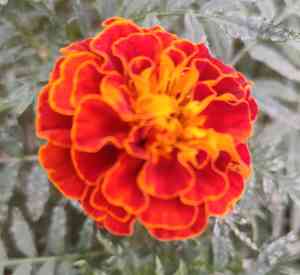
Nicolletia, commonly known as Marigold Daisy, is a small genus of flowering plants belonging to the family Asteraceae. These plants are typically found in arid and semi-arid regions and are known for their bright, yellow daisy-like flowers.
In This Article
Attributes of Hole-in-the-sand plants (Nicolletia)
Lifespan
Nicolletia primarily follows an annual growth cycle.
Plant Height
15-50 cm
Spread
Varies, typically around 30 cm
Leaf Color
Green
Flower Size
2-5 cm
Flower Color
Bright yellow
Images of Hole-in-the-sand plants (Nicolletia)
Quickly Identify Hole-in-the-sand plants (Nicolletia)
1
Nicolletia can be identified by its bright yellow, daisy-like flowers with a central disc. The leaves are generally linear and green. The plant is often found in dry, rocky soils and is characterized by its bushy growth habit.
Scientific Classification of Hole-in-the-sand plants (Nicolletia)
Phylum
Anthophyta
Class
Magnoliopsida
Order
Asterales
Family
Asteraceae
Genus
Nicolletia
Planting and Growing of Hole-in-the-sand plants (Nicolletia)
Care Difficulty
Moderate
Watering Schedule
Every 2 days
Sunlight Requirements
Full sun
Sunshine Duration
4-8 hours
Ideal Temperature
60-75℉
Soil Type
Potting Mix, Peat Mix
Soil pH
6.5-7.5
Fertilizer Type
Balanced
Pruning Season
Spring, Summer
Pruning Area
Branches, Leaves
Pruning Frequency
2 times a year
Repotting Season
Spring
Pot Type
Plastic, Ceramic
 How to Water Hole-in-the-sand plants (Nicolletia)?
For Nicolletia, ensure that each watering session provides approximately 200 milliliters of water. The watering should be thorough but not excessive, allowing the soil to absorb moisture down to the root level without becoming waterlogged.
What are the symptoms of an underwatered Hole-in-the-sand plants (Nicolletia)?
›
What should I do if my Hole-in-the-sand plants (Nicolletia) is not getting enough water?
›
What are the symptoms of an overwatered Hole-in-the-sand plants (Nicolletia)?
›
How to save an overwatered Hole-in-the-sand plants (Nicolletia)?
›
 What Are the Sunlight Requirements for Hole-in-the-sand plants (Nicolletia)?
Nicolletia prefers full sun exposure, ideally for 6-8 hours daily. This lighting ensures robust growth, healthy foliage, and profuse blooming, tapping into the plant's natural environment preferences.
What is the ideal light condition for Nicolletia?
›
How can I achieve these conditions for Nicolletia?
›
What are the benefits of ideal lighting for Nicolletia?
›
 What Is the Ideal Temperature Range for Hole-in-the-sand plants (Nicolletia)?
Nicolletia thrives best at temperatures between 60°F and 75°F. This range allows the plant to perform photosynthesis efficiently while minimizing stress. Maintaining steady temperatures within this range encourages healthy growth, vibrant foliage, and ample flowering. Ensuring a stable environment will help support the plant's natural growth cycle.
 What Soil is Best for Hole-in-the-sand plants (Nicolletia)?
Nicolletia thrives in well-draining soil, which prevents waterlogging and root rot. This type of soil structure allows excess water to drain quickly, providing the roots with necessary oxygenation and fostering robust growth. Incorporating organic matter such as compost enhances soil fertility for Nicolletia. It supplies essential nutrients that support vibrant flowering and strengthens the plant's resilience against pests and diseases. Soil that maintains moderate moisture helps Nicolletia stay hydrated without becoming excessively wet. It balances water retention and drainage, ensuring the plant receives enough moisture during dry periods while not remaining waterlogged.
 How to Fertilize Hole-in-the-sand plants (Nicolletia)?
When fertilizing Nicolletia, it's crucial to match the nutrient supply with its growth demands. Typically, a balanced liquid fertilizer diluted to half strength works well, especially during the growing season. Apply about 250ml per plant. For slow-release fertilizers, follow the package instructions but err on the side of caution to avoid over-fertilization.
 How to Prune Hole-in-the-sand plants (Nicolletia)?
Look for dead or discolored leaves and stems. Begin by removing these sections, as they can harbor pests or diseases. Trim near the base of the stem or as close to the main branch as possible. To promote a symmetrical shape, evenly cut back any overgrown sections. Always make angular cuts above a node, as this is where new growth will emerge. Gently pinch back the tips of stems regularly. This will encourage branching, thus leading to a fuller, bushier plant. Pinching should be done with your fingertips to gently remove the tender shoots.
 How to Propagate Hole-in-the-sand plants (Nicolletia) plant?
1
Sow Nicolletia seeds in a well-draining seed-starting mix. Lightly cover the seeds with soil and water gently to avoid disturbing them.
2
Select healthy, non-flowering stems to cut a 4-6 inch segment. Remove the leaves from the lower half and dip the cut end in rooting hormone.
3
Place the prepared cutting into a pot filled with moist potting mix. Ensure the cutting is deep enough to stand upright and provide stability.
 How to Repot Hole-in-the-sand plants (Nicolletia) plant?
1
Repot only when the roots are visibly outgrowing the current pot or if the plant appears stressed. Spring and summer are optimal seasons as they coincide with the plant's active growing period, allowing it to quickly establish in its new home.
2
Opt for a pot that is 2-3 inches larger in diameter than the current one. It should have ample drainage holes to ensure excess water escapes, preventing root rot. Ceramic or terracotta pots are excellent choices as they provide stability and facilitate air circulation.
3
A well-draining sandy soil mix is ideal. Such soil mimics the plant's natural desert habitat, providing aeration and preventing waterlogging. Incorporating a bit of perlite can further enhance drainage, benefiting the root system.
Toxicity
ingestion
WARNING
The judgment on toxicity and danger is for reference only. We DO NOT GUARANTEE any accuracy of such judgment. Therefore, you SHALL NOT rely on such judgment. It is IMPORTANT TO SEEK PROFESSIONAL ADVICE in advance when necessary.
Learn More About Hole-in-the-sand plants (Nicolletia) Diseases
Anthracnose
Bacterial Leaf Spot
Bacterial Soft Rot
Bacterial Wilt
Black Spot
Chemical Injury
Crown Gall
Cyst Nematode
Damping-off
Downy Mildew
Drought Stress
Fusarium Wilt
Gray Mold
Leaf Spot
Mosaic
Nutrient Deficiency
Nutrient Toxicity
Powdery Mildew
Root Rot
Root-knot Nematode
Rusts
Sooty Mold
Spider Mites
Temperature Stress
Thrips Damage
White Mold

