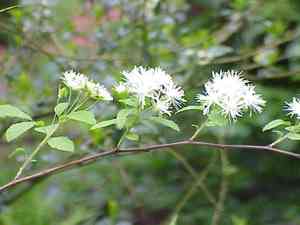
Alabama snow wreath (Neviusia alabamensis)
Also known as: Snow-wreath
The species inhabits widely dispersed areas, ranging from northwestern Georgia to the Ozark Mountains. Notably, these populations are believed to primarily consist of asexual clones, given the absence of observed seed production. Due to its sparse distribution and limited genetic diversity, the species is considered to be of conservation concern. Its preferred environment includes limestone woodlands that experience seasonal moisture variations.
In This Article
Attributes of Alabama snow wreath
Lifespan
Perennial
Plant Type
Shrub
Plant Height
91 cm to 1.8 m
Spread
90 cm to 1.8 m
Leaf Color
Green
Flower Size
Approximately 2 cm
Flower Color
White
Images of Alabama snow wreath
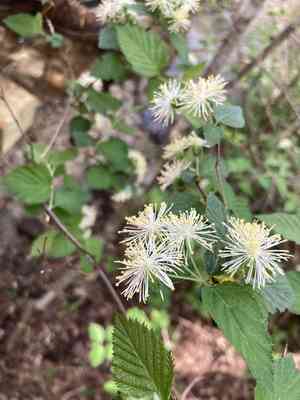
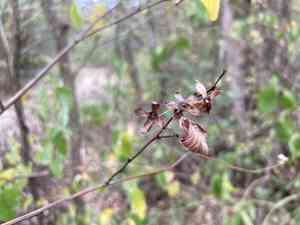
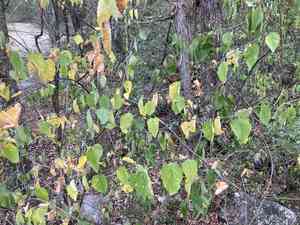
Quickly Identify Alabama snow wreath
1
Distinct white bottle brush-like stamens on flower clusters.
2
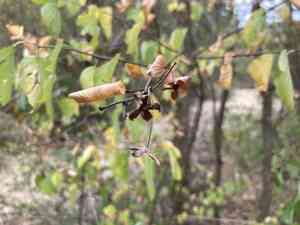
Smooth green fruit, transitioning to brown, only 1/4 inch (6 mm).
3
Exfoliating bark revealing orange-brown hue, less than 4 inches (10 cm) diameter.
4
Medium green ovate leaves with doubly serrated margin, pinnate veins.
5
Rounded shrub with erect arching stems, reaching 3-6 feet (91-183 cm).
Scientific Classification of Alabama snow wreath
Phylum
Vascular plants
Class
Dicotyledons
Order
Rosales
Family
Rose
Genus
Snow-wreath
Species
Alabama snow wreath
Planting and Growing of Alabama snow wreath
Care Difficulty
Easy
Watering Schedule
Every 3 days
Sunlight Requirements
Partial sun
Sunshine Duration
4-6 hours
Ideal Temperature
60-75℉
Soil Type
Potting Mix, Peat Mix
Soil pH
6.5-7.5
Fertilizer Type
Balanced
Pruning Season
Spring, Summer
Pruning Area
Branches, Leaves
Pruning Frequency
2 times a year
Repotting Season
Spring
Pot Type
Plastic, Ceramic
 How to Water Alabama snow wreath?
For Neviusia alabamensis, aim to provide around 500 ml of water per watering session. It’s crucial to ensure that the soil is moist but not waterlogged. Water should penetrate deeply, reaching the roots but leaving no standing water in the saucer.
What are the symptoms of an underwatered Alabama snow wreath?
›
What should I do if my Alabama snow wreath is not getting enough water?
›
What are the symptoms of an overwatered Alabama snow wreath?
›
How to save an overwatered Alabama snow wreath?
›
 What Are the Sunlight Requirements for Alabama snow wreath?
Neviusia alabamensis thrives in partial sun, where it benefits from 4 to 6 hours of filtered sunlight daily. This ensures balanced growth and robust health, resembling its native woodland habitat.
What is your ideal lighting condition?
›
How can I achieve this ideal light condition?
›
What are the benefits of an ideal light condition?
›
 What Is the Ideal Temperature Range for Alabama snow wreath?
The ideal temperature range for Neviusia alabamensis falls between 60°F to 75°F. This range supports optimal growth and development by maintaining the right metabolic rate and enzymatic activities within the plant cells. Ensuring a consistent environment within these temperatures minimizes stress and facilitates healthy foliage and blooming.
 What Soil is Best for Alabama snow wreath?
Neviusia alabamensis thrives in well-drained soil conditions to prevent root rot and other moisture-related issues. Adequate drainage ensures healthy root growth and abundant flowering. A nutrient-rich soil supports the robust growth of Neviusia alabamensis by providing essential minerals and nutrients needed for vigorous foliage and strong stems. Soil that retains moderate moisture without becoming waterlogged is ideal. It helps maintain consistent hydration, which is crucial for the plant's sustained growth and resilience.
 How to Fertilize Alabama snow wreath?
For Neviusia alabamensis, use a balanced, water-soluble fertilizer diluted to half-strength. Apply around 100 ml of this solution per plant to avoid over-fertilization, as this species is sensitive to excessive nutrients.
 How to Prune Alabama snow wreath?
Over-pruning can stress Neviusia alabamensis, leading to fewer blooms and unhealthy growth. Ensure not more than a third of the plant is pruned in a single session to maintain vitality. Prune in early spring before new growth starts. Winter pruning is also acceptable but avoid late-autumn or early snow, which can expose fresh cuts to freeze damage. Neviusia alabamensis may develop suckers that rob resources from the main plant. Regularly check and remove them to maintain the health and flowers' vigor of the central bush.
More About Pruning Techniques→
 How to Propagate Alabama snow wreath plant?
1
Begin by preparing seedbeds with well-draining soil and ensure it is slightly acidic to neutral. This provides a conducive environment for seed germination and early root development.
2
Take cuttings from a healthy Neviusia alabamensis plant in early spring. Ensure each cutting has at least two sets of leaves and use rooting hormone to encourage root growth.
3
Divide mature plants during the spring by gently separating the root clumps. Ensure that each division has enough root mass and shoots to sustain new growth after planting.
 How to Repot Alabama snow wreath plant?
1
Neviusia alabamensis, also known as Alabama Snow-wreath, should be repotted when you notice signs such as slowed growth, root-bound structure, or water draining too quickly from the pot. These signals suggest that the plant has outgrown its pot and needs more space to thrive.
2
Select a pot that is one size larger than the current pot with adequate drainage holes. The ideal pot should allow sufficient room for root expansion, preventing the roots from circling around themselves, which can lead to root binding and stunted growth. Proper drainage ensures that the roots do not sit in water, reducing the risk of rot.
3
Opt for well-draining sandy loam soil to ensure proper aeration and water flow. This type of soil maintains an optimal moisture balance while providing the necessary nutrients, enabling Neviusia alabamensis to grow lush and healthy without the risk of root rot from waterlogging.
Learn More About Alabama snow wreath Diseases
Anthracnose
Bacterial Leaf Spot
Bacterial Soft Rot
Crown Gall
Damping-off
Downy Mildew
Drought Stress
Fusarium Wilt
Gray Mold
Leaf Curl
Leaf Spot
Nutrient Deficiency
Nutrient Toxicity
Powdery Mildew
Root Rot
Root-knot Nematode
Rusts
Sooty Mold
Spider Mites
Temperature Stress
Thrips Damage
White Mold



