Nervilia platychila (Nervilia platychila)
Also known as: 暂无别名
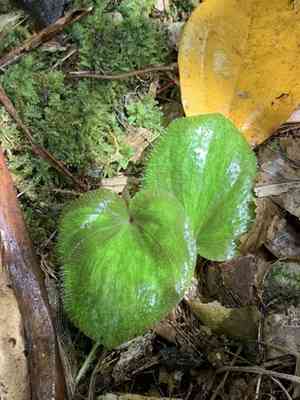
Nervilia platychila is a terrestrial orchid distinguished by its single, broad, heart-shaped leaf that appears post-bloom. The flowers are generally greenish and unassuming, often eclipsed by the prominent leaf. It prospers in the shady, moist forest undergrowth, well-adapted to environments with low light and abundant moisture.
In This Article
Attributes of Nervilia platychila
Lifespan
Perennial
Plant Type
Herb
Plant Height
10-20 cm
Spread
Not applicable
Leaf Color
Green
Flower Size
1-2 cm
Flower Color
Greenish-white
Images of Nervilia platychila
Quickly Identify Nervilia platychila
1
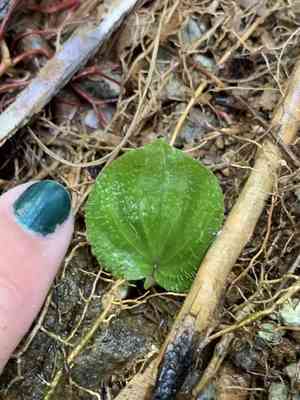
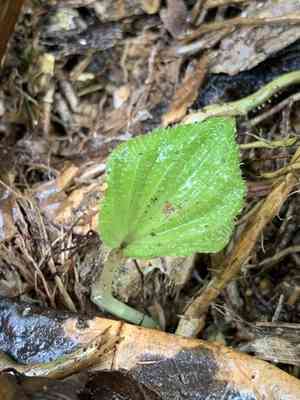
Nervilia platychila can be identified by its single, heart-shaped leaf that lies flat against the ground and its small, greenish-white flowers.
Scientific Classification of Nervilia platychila
Phylum
Vascular plants
Class
Monocotyledons
Order
Asparagales
Family
Orchid
Genus
Nervilia
Species
Nervilia platychila
Planting and Growing of Nervilia platychila
Care Difficulty
Hard
Watering Schedule
Every 3 days
Sunlight Requirements
Partial sun
Sunshine Duration
4-8 hours
Ideal Temperature
68-77℉
Soil Type
Potting Mix, Peat Mix
Soil pH
6.5-7.5
Fertilizer Type
Balanced
Pruning Season
Spring, Summer
Pruning Area
Branches, Leaves
Pruning Frequency
2 times a year
Repotting Season
Spring
Pot Type
Plastic, Ceramic
 How to Water Nervilia platychila?
Nervilia platychila requires approximately 150 milliliters of water each time you irrigate. This orchid thrives when the watering mimics its natural rainy season environment. Ensure the potting medium is moist but allows excess water to drain to avoid waterlogging, which can harm the roots.
What are the symptoms of an underwatered Nervilia platychila?
›
What should I do if my Nervilia platychila is not getting enough water?
›
What are the symptoms of an overwatered Nervilia platychila?
›
How to save an overwatered Nervilia platychila?
›
 What Are the Sunlight Requirements for Nervilia platychila?
Partial sun exposure of 3 to 5 hours is ideal for Nervilia platychila. This balance helps promote healthy, compact growth and vivid leaf coloration. Proper light levels intricately support its metabolic processes, boosting vitality and keeping the plant thriving.
What type of sunlight does Nervilia platychila prefer?
›
How can I provide the ideal lighting conditions for Nervilia platychila?
›
Why is ideal lighting important for Nervilia platychila?
›
 What Is the Ideal Temperature Range for Nervilia platychila?
Nervilia platychila thrives in temperatures ranging from 68°F to 77°F. In this range, the plant can perform its physiological processes optimally, promoting both growth and flowering. Consistency within this range minimizes the stress caused by temperature fluctuations, ensuring that the plant's metabolic processes are efficient, leading to robust health and resilience against diseases.
 What Soil is Best for Nervilia platychila?
Nervilia platychila thrives in nutrient-rich substrates that provide essential minerals and organic matter, promoting lush foliage and robust flowering. Adding well-rotted compost can enhance soil fertility, benefiting the plant's growth. The plant requires soil with excellent drainage to prevent root rot. Sandy loam is ideal, allowing water to pass through while retaining enough moisture for the plant to access. Ensuring good drainage improves the plant’s growth and health. While Nervilia platychila needs good drainage, it also thrives in soil that retains some moisture. Loam soil balances these needs perfectly, holding moisture without becoming waterlogged, promoting consistent plant hydration.
 How to Fertilize Nervilia platychila?
Nervilia platychila, a rare and exquisite orchid, requires careful attention to its nutritional needs. A dilute balanced orchid fertilizer should be applied at a rate of 1/4 to 1/2 strength of the recommended amount to avoid overfeeding, which can damage the delicate root system.
 How to Prune Nervilia platychila?
Begin by examining the plant closely to identify any dead, damaged, or diseased foliage. This will be your primary target during pruning. Utilize clean and sharp scissors or pruning shears to make precise cuts. This ensures minimal damage to the plant and promotes quick healing. Trim only the necessary parts to shape the plant or remove damaged sections. Strive to preserve the natural form of Nervilia platychila as you prune.
More About Pruning Techniques→
 How to Propagate Nervilia platychila plant?
1
Collect seeds from mature Nervilia platychila plants once they have ripened. Ensure seeds are dry and free from any signs of disease before storing them in a cool, dry place until sowing.
2
Carefully dig up the mature plants and separate the rhizomes into sections, ensuring each has a viable bud. Replant each section at the same depth as before to encourage growth.
3
Sow seeds onto the surface of a well-drained, sterile medium. Do not cover with soil, as they require light for germination. Water gently to avoid displacing the seeds.
 How to Repot Nervilia platychila plant?
1
Repotting Nervilia platychila is best done in early spring when new growth is emerging. This ensures the plant is ready to adapt to the new soil environment. Look for signs like roots peeking out of the drainage holes or a visibly constrained plant. These indicators mean it's time for a more spacious home.
2
Select a pot that's slightly larger than the current one, offering enough space for growth but not too large to cause waterlogging issues. Opt for a pot with sufficient drainage holes to allow excess water to escape. A clay or plastic pot would work well, but ensure it's clean to prevent any disease transmission.
3
A well-draining orchid mix is ideal due to its airy structure that allows roots to breathe while retaining just enough moisture. This type of soil prevents root rot, promoting healthy growth. Additionally, its composition supports the epiphytic nature of the plant, reflecting its natural habitat conditions.
Learn More About Nervilia platychila Diseases
Anthracnose
Bacterial Leaf Spot
Bacterial Soft Rot
Bacterial Wilt
Black Spot
Chemical Injury
Damping-off
Downy Mildew
Drought Stress
Fusarium Wilt
Gray Mold
Leaf Curl
Leaf Spot
Mosaic
Nutrient Deficiency
Nutrient Toxicity
Powdery Mildew
Root Rot
Root-knot Nematode
Rusts
Sooty Mold
Spider Mites
Temperature Stress
Thrips Damage
White Mold



