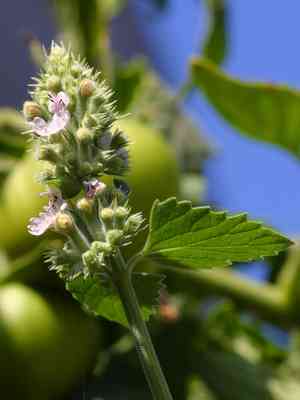
Catnips (Nepeta) (Nepeta)
Also known as: Catmint, Catnip
Catnips are herbs that are native to Europe and now grow throughout North America as well. A chemical called nepetalactone in the herb is attractive to cats, giving the plant its nickname. Nepetalactone is also reportedly a strong mosquito repellent. Other common nicknames for the plant include "catsworth" and "catmint."
In This Article
Attributes of Catnips (Nepeta)
Lifespan
Perennial
Plant Height
1 m
Spread
60 cm
Leaf Color
Gray-green
Flower Size
2.5 cm
Flower Color
Lavender, blue, white, pink
Images of Catnips (Nepeta)

Quickly Identify Catnips (Nepeta)
1
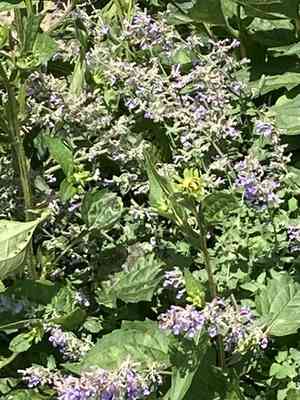
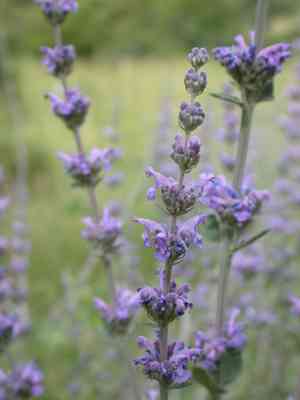
Nepeta plants can be identified by their square stems and opposite leaves, which are usually aromatic. The flowers are tubular with a two-lipped corolla, typically in shades of lavender, blue, white, or pink. They attract pollinators such as bees and butterflies.
Scientific Classification of Catnips (Nepeta)
Phylum
Magnoliophyta
Class
Magnoliopsida
Order
Lamiales
Family
Lamiaceae
Genus
Nepeta
Planting and Growing of Catnips (Nepeta)
Care Difficulty
Easy
Watering Schedule
Every 2 days
Sunlight Requirements
Partial sun
Sunshine Duration
6-12 hours
Ideal Temperature
60-75℉
Soil Type
Potting Mix, Peat Mix
Soil pH
6.5-7.5
Fertilizer Type
Balanced
Pruning Season
Spring, Summer
Pruning Area
Branches, Leaves
Pruning Frequency
2 times a year
Repotting Season
Spring
Pot Type
Plastic, Ceramic
 How to Water Catnips (Nepeta)?
For Nepeta, a general rule of thumb is to water with about 500 ml each time. Ensure that the soil is thoroughly moistened but not turned into a waterlogged state. The plant prefers a moderate level of moisture, so consistency is key.
What are the symptoms of an underwatered Catnips (Nepeta)?
›
What should I do if my Catnips (Nepeta) is not getting enough water?
›
What are the symptoms of an overwatered Catnips (Nepeta)?
›
How to save an overwatered Catnips (Nepeta)?
›
 What Are the Sunlight Requirements for Catnips (Nepeta)?
Nepeta requires partial to full sun, ideally 6 to 8 hours a day. This encourages robust growth, improves flowering, and enhances its fragrant characteristics, making it a delightful addition to gardens.
What is the best location for Nepeta to receive ideal light?
›
How can I ensure Nepeta gets this light indoors?
›
What benefits does ideal light provide Nepeta?
›
 What Is the Ideal Temperature Range for Catnips (Nepeta)?
Nepeta thrives best in temperatures ranging from 60°F to 75°F. This range provides the optimal conditions for growth, enabling the plant to photosynthesize efficiently and maintain vibrant foliage. Within this range, Nepeta can robustly develop its root system and withstand mild fluctuations without stress.
 What Soil is Best for Catnips (Nepeta)?
Nepeta thrives in well-drained soil conditions, which help prevent root rot by allowing excess water to escape quickly. Well-drained soils also provide better aeration for the roots, promoting healthy growth and resilience in harsh conditions. Although Nepeta is not particularly fussy about nutrients, a soil with moderate nutrient content facilitates stronger growth. It ensures the plant has access to essential minerals, improving overall health and vigor, which is especially beneficial during the growing season. A lighter soil texture supports easy root expansion and nutrient uptake for Nepeta. It allows the plant to establish a strong root system quickly and aids in anchoring the plant against strong winds, making it more durable in outdoor settings.
 How to Fertilize Catnips (Nepeta)?
For Nepeta, the fertilizer application should be moderate. During the growing season, use approximately half-strength liquid fertilizers to avoid excess nutrient build-up. A balance between too much and too little feeding ensures robust plant health.
 How to Prune Catnips (Nepeta)?
Begin by sanitizing your pruning shears to prevent any disease transmission. Cut back about one-third of the plant's height after the first flowering flush in late spring to early summer. This will encourage denser growth and more blooms. During midsummer, after the second flush of flowers, deadhead spent blooms to encourage more flowering. By late summer, if the plant looks straggly, you can trim it back again for a late-season growth spurt.
 How to Propagate Catnips (Nepeta) plant?
1
Begin by harvesting mature Nepeta seeds in early autumn when the seed pods are dry but before they burst open. This ensures you gather viable seeds for propagation.
2
In early spring, select healthy stems and cut about 4-6 inches from the tip. Remove any lower leaves and place the cuttings into water or rooting medium to encourage root growth.
3
When dividing Nepeta, carefully dig up the parent plant in early spring or autumn. Use a sharp spade to split the root clumps into sections, ensuring each has enough roots before replanting.
 How to Repot Catnips (Nepeta) plant?
1
Look for signs like roots emerging from the drainage holes or a plant that dries out quickly after watering. This indicates it's running out of space and needs repotting. Ideally, carry this out in spring or summer when the plant is actively growing. Repotting during these periods ensures better recovery and adaptation.
2
Opt for a pot that is just one size larger than the current one. Terracotta pots are excellent as they allow excess moisture to evaporate, reducing the risk of root rot. Ensure the pot has ample drainage holes to prevent waterlogging, helping your Nepeta thrive.
3
Use a well-draining potting mix rich in organic matter to retain sufficient moisture without waterlogging. Incorporating sand or perlite into standard potting soil promotes aeration and drainage, crucial elements in preventing root rot and ensuring healthy growth.
Learn More About Catnips (Nepeta) Diseases
Anthracnose
Bacterial Leaf Spot
Bacterial Soft Rot
Chemical Injury
Crown Gall
Damping-off
Downy Mildew
Drought Stress
Fusarium Wilt
Gray Mold
Leaf Spot
Mosaic
Nutrient Deficiency
Nutrient Toxicity
Powdery Mildew
Root Rot
Root-knot Nematode
Rusts
Sooty Mold
Spider Mites
Temperature Stress
Thrips Damage
White Mold

