
Catnip (Nepeta cataria)
Also known as: Catwort
Nepeta cataria, also known as catnip, is a perennial herb from the mint family. In gardens, it's valued for its decorative leaves and small, lavender-hued flowers. Catnip is famous for its unique effect on cats, often inducing a playful or relaxed state. It's frequently used in cat toys or sprinkled on items to attract and entertain cats.
Attributes of Catnip
Images of Catnip


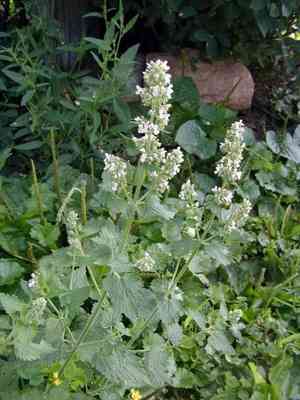
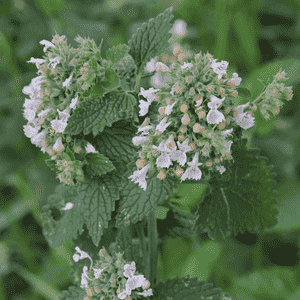
Quickly Identify Catnip
Scientific Classification of Catnip
Planting and Growing of Catnip
 How to Water Catnip?
 What Are the Sunlight Requirements for Catnip?
 What Is the Ideal Temperature Range for Catnip?
 What Soil is Best for Catnip?
 How to Fertilize Catnip?
 How to Prune Catnip?
 How to Propagate Catnip plant?
 How to Repot Catnip plant?
Toxicity of Catnip
Is Catnip toxic to humans?
The leaves and blossoms of catnip can lead to undesirable reactions if ingested in excessive quantities. Symptoms that may arise from consumption include vomiting, diarrhea, and headaches. There haven’t been any recorded instances of severe poisoning in humans due to catnip. The risk of poisoning is most commonly associated with the unintentional intake of concentrated catnip products like essential oil.
Is Catnip toxic to cat?
Catnip is a plant known for its hazardous effects on felines. Cats may inadvertently consume parts of this plant, with the leaves posing a significant risk. While the exact toxic compounds in catnip are not specified, it is crucial to understand that ingestion can result in signs of physical discomfort or illness. If poisoning is suspected, it is essential to seek veterinary assistance promptly to safeguard the health of the affected cat.
Is Catnip toxic to dog?
Catnip is regarded as toxic to dogs. When dogs consume this plant, especially its leaves, they may face a risk of poisoning. Accidental ingestion is the most common way dogs can become poisoned. If a dog eats catnip, it might show signs such as gastrointestinal disturbance, depression of the central nervous system, or other distress signals. It is essential for dog owners to keep a close watch over their pets and restrict access to catnip to prevent potential poisoning incidents. If a dog does consume catnip, it is vital to seek prompt veterinary assistance to ensure the best possible outcome for the animal.



