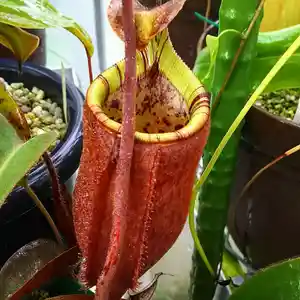
Nepenthes spp. (Nepenthes spp.)
Also known as: Pitcher plant, Monkey Cup
Nepenthes spp., commonly known as tropical pitcher plants or monkey cups, are a genus of carnivorous plants endemic to Southeast Asia, with some species also found in Madagascar, Australia, and the Seychelles. They are known for their unique pitcher-shaped leaves that trap and digest insects.
In This Article
Attributes of Nepenthes spp.
Lifespan
Nepenthes spp., commonly known as Tropical Pitcher Plants or Monkey Cups, are perennial plants which means they have an indefinite growth cycle and can live for a number of years
Plant Height
Varies from 15 cm to 20 m depending on species
Spread
Varies widely depending on species
Leaf Color
Green to reddish, depending on the species
Flower Size
1-2 cm
Flower Color
Usually yellow or greenish
Images of Nepenthes spp.
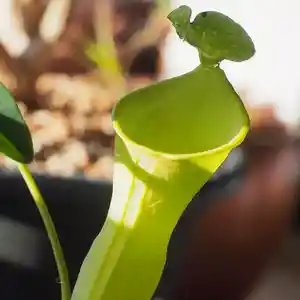
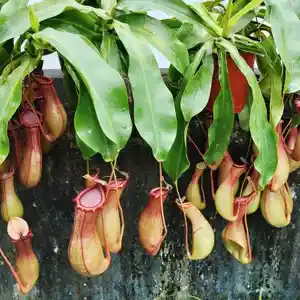
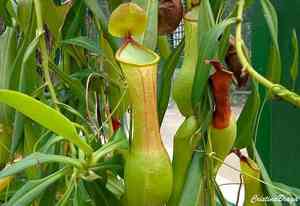
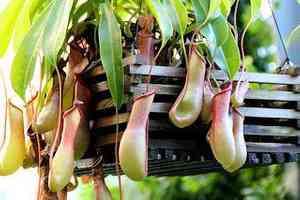
Quickly Identify Nepenthes spp.
1
Identify Nepenthes by their unique pitcher-shaped leaves, which vary in color and size depending on the species, and often have lid structures and digestive fluids inside to trap prey.
Scientific Classification of Nepenthes spp.
Phylum
Tracheophyta
Class
Magnoliopsida
Order
Caryophyllales
Family
Nepenthaceae
Genus
Nepenthes
Planting and Growing of Nepenthes spp.
Care Difficulty
Hard
Watering Schedule
Every 8 days
Sunlight Requirements
Partial sun
Sunshine Duration
4-8 hours
Ideal Temperature
75-85℉
Soil Type
Potting Mix, Peat Mix
Soil pH
4.5-6.5
Fertilizer Type
Balanced
Pruning Season
Spring, Summer
Pruning Area
Branches, Leaves
Pruning Frequency
2 times a year
Repotting Season
Spring
Pot Type
Plastic, Ceramic
 How to Water Nepenthes spp.?
Nepenthes spp., also known as pitcher plants, prefer small amounts of water that mimic their natural rainforest habitat. Water until the soil is moist but not soggy, ensuring excess water can drain away, and keeping the substrate slightly damp always.
What are the symptoms of an underwatered Nepenthes spp.?
›
What should I do if my Nepenthes spp. is not getting enough water?
›
What are the symptoms of an overwatered Nepenthes spp.?
›
How to save an overwatered Nepenthes spp.?
›
 What Are the Sunlight Requirements for Nepenthes spp.?
Nepenthes thrive in partial sunlight conditions, ideally receiving around 2 to 4 hours of dappled light daily. This range supports optimal plant health, enabling vigorous growth and vibrant pitcher development essential for their carnivorous function.
What is the ideal light condition for Nepenthes spp.?
›
How can I achieve ideal lighting conditions for Nepenthes spp.?
›
What benefits do Nepenthes spp. gain from ideal lighting?
›
 What Is the Ideal Temperature Range for Nepenthes spp.?
Nepenthes species thrive best within an ideal temperature range of 75 to 85 degrees Fahrenheit. This range provides the optimal conditions for these plants to perform vital physiological processes such as photosynthesis and respiration. Maintaining this temperature range also helps prevent thermal stress and encourages healthy growth and pitcher development. It is essential to monitor and regulate the environment to keep temperatures within this range consistently.
 What Soil is Best for Nepenthes spp.?
Nepenthes species thrive in soil that retains moisture well without becoming waterlogged. This ensures they have constant access to water, mimicking their natural tropical habitats which are often humid and consistently moist. While peat soils are preferred for Nepenthes, they should be well-draining to prevent root rot. A mix with sandy loam can achieve this balance, allowing excess water to pass through easily, thus keeping the roots healthy and well-aerated. Nepenthes plants naturally grow in nutrient-poor soils, relying on captured insects for additional nutrition. A soil that is low in nutrients prevents over-fertilization and leaf burn that can occur from high nutrient levels.
 How to Fertilize Nepenthes spp.?
Nepenthes species benefit from a very mild fertilizer solution. To avoid root damage, use 1/4 the recommended strength for houseplants. It's better to under-fertilize than over-fertilize, as excess nutrients can be harmful.
 How to Prune Nepenthes spp.?
Start by identifying any dead or yellowing pitchers on the plant. These can be cut off at the base to allow the plant to conserve energy and focus on producing new growth. Carefully cut back any overgrown or leggy stems to encourage bushier growth. Aim to cut just above a node to encourage branching and thicker growth. Remove any dead or damaged leaves to keep the plant healthy. This not only improves the plant’s appearance but also reduces the risk of fungal infections.
 How to Propagate Nepenthes spp. plant?
1
Choose healthy, mature plant parts with several nodes for cuttings. Ensure these parts are pest-free, showing good vigor and color, to increase the chances of successful propagation.
2
Use a well-draining medium such as a mix of sphagnum moss and perlite. This ensures good aeration and prevents waterlogging, which is crucial for the development of cuttings.
3
Cuttings should be handled softly to avoid bruising. Firmly but gently place them into the medium after treating the cut ends with rooting hormone for better establishment.
 How to Repot Nepenthes spp. plant?
1
Repotting Nepenthes should be considered when the plant's roots start to circle the pot, or if the growing medium has compacted and lost its airy structure. These are signs that the plant requires a bigger space to thrive and continue its vigorous growth. The ideal time for repotting is late Spring or early Summer when the plant is actively growing and can quickly adapt to the new environment.
2
Select a pot that is only slightly larger than the current one, with adequate drainage holes. A well-draining pot helps prevent waterlogging, which is essential for Nepenthes as they detest soggy conditions. Preferably, use a plastic pot or a hanging basket, which retains moisture evenly while providing excellent aeration.
3
Opt for a loose, airy medium such as a mix of sphagnum moss, perlite, and orchid bark. This composition offers a perfect balance of moisture retention and drainage, allowing the plant's roots to breathe while staying suitably moist. A well-chosen soil mix will mimic the plant's natural habitat, leading to healthier growth.

