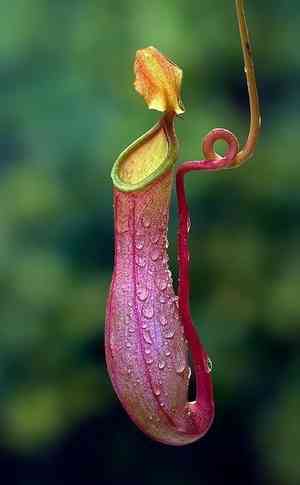
Common swamp pitcher-plant (Nepenthes mirabilis)
Also known as: Mirabilis Pitcher-Plant, Common Swamp Pitcher-Plant
The common swamp pitcher-plant, *Nepenthes mirabilis*, is a carnivorous species indigenous to continental Southeast Asia and the major islands of the Malay Archipelago. It thrives in environments with high humidity and elevated temperatures. The term "mirabilis" is derived from Latin, meaning "wonderful."
In This Article
Plant Comprehensive Care Guide: Beginner's Introduction and Key Details
Perfect for beginners starting their plant care journey
→
10 Secrets to Making Common swamp pitcher-plant Grow Faster (A Must-Read for Beginners)
Advanced tips to accelerate your plant's growth
→
Care "Black Tech": 10 Little-Known Highly Effective Maintenance Tips
Expert-level techniques for optimal plant care
→
Attributes of Common swamp pitcher-plant
Lifespan
Perennial
Plant Type
Herb, Vine
Plant Height
3 m
Spread
50 cm
Leaf Color
Green Red
Flower Size
2 cm to 3 cm
Flower Color
Yellow Green Red Brown Gold
Images of Common swamp pitcher-plant
Quickly Identify Common swamp pitcher-plant
1
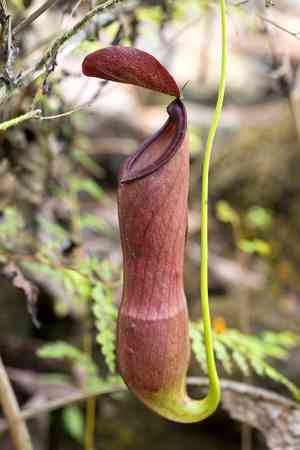
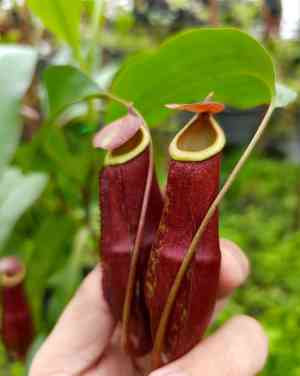
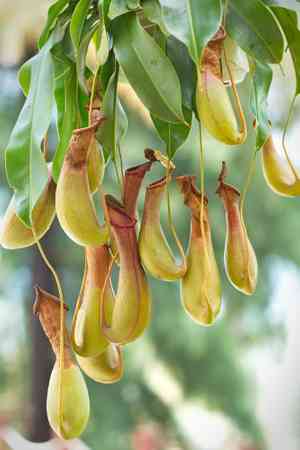
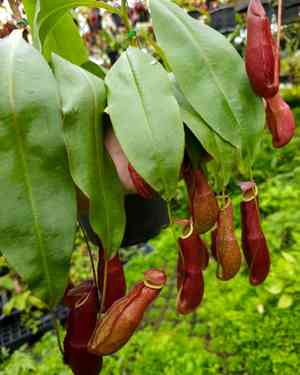
Nepenthes mirabilis can be identified by its distinct pitcher-shaped leaves that are often green to reddish in color. The plant also has long, climbing stems and can exhibit diverse color patterns on its pitchers. These pitchers can be up to 15 cm long and have a well-defined peristome (the rim) and lid.
Scientific Classification of Common swamp pitcher-plant
Phylum
Vascular plants
Class
Dicotyledons
Order
Pinks, cacti, and allies
Family
East indian pitcher-plant
Genus
Tropical pitcher plants
Species
Common swamp pitcher-plant
Planting and Growing of Common swamp pitcher-plant
Care Difficulty
Hard
Watering Schedule
Every 8 days
Sunlight Requirements
Partial sun
Sunshine Duration
4-8 hours
Ideal Temperature
75-85℉
Soil Type
Potting Mix, Peat Mix
Soil pH
4.5-6.5
Fertilizer Type
Balanced
Pruning Season
Spring, Summer
Pruning Area
Branches, Leaves
Pruning Frequency
2 times a year
Repotting Season
Spring
Pot Type
Plastic, Ceramic
 How to Water Common swamp pitcher-plant?
The watering amount for Nepenthes mirabilis should be around 150 milliliters per session. This is crucial for maintaining the plant's hydration level without saturating it. It's best to water the plant until the top layer of soil feels slightly damp but not waterlogged.
More About Watering Techniques→
What are the symptoms of an underwatered Common swamp pitcher-plant?
›
What should I do if my Common swamp pitcher-plant is not getting enough water?
›
What are the symptoms of an overwatered Common swamp pitcher-plant?
›
How to save an overwatered Common swamp pitcher-plant?
›
 What Are the Sunlight Requirements for Common swamp pitcher-plant?
Nepenthes mirabilis prefers partial sun, ideally 4 to 6 hours of filtered sunlight, providing energy for photosynthesis while protecting against intense direct rays.
More About Sunlight Requirements Techniques→
Optimal Duration
›
Solutions for Ideal Lighting
›
Benefits of Ideal Light
›
 What Is the Ideal Temperature Range for Common swamp pitcher-plant?
The ideal temperature range for Nepenthes mirabilis lies between 75°F and 85°F. This range ensures optimal growth and vitality by mimicking the natural tropical climate where this species thrives. Consistently maintaining this temperature helps the plant perform essential physiological functions, including efficient photosynthesis and nutrient uptake.
 What Soil is Best for Common swamp pitcher-plant?
Nepenthes mirabilis thrives in soil with excellent drainage, preventing waterlogging which can lead to root rot. High drainage ensures that the roots receive adequate air circulation, promoting healthy growth. These plants naturally grow in nutrient-poor conditions, so they don't require rich soils. This environment encourages the plant's carnivorous adaptations to capture insects for nutrients, maintaining their unique ecological role. The soil should be able to retain moisture without being waterlogged. This helps provide a consistent supply of water to the plant, mimicking its natural swampy habitat, ensuring healthy pitcher development.
More About Soil→
 How to Fertilize Common swamp pitcher-plant?
For Nepenthes mirabilis, use diluted fertilizers at a quarter of the recommended dose for regular plants. This plant is sensitive and can thrive with minimal nutrients, so avoid heavy feeding that can harm its delicate roots.
 How to Prune Common swamp pitcher-plant?
Begin by gently inspecting your Nepenthes mirabilis for any parts that look dead, damaged, or diseased. Use clean and sharp pruning shears to carefully trim these sections away. Be sure to make your cuts just above a leaf node or growth point to promote new growth. Nepenthes mirabilis often produces long vines that can be pruned back to encourage branching. Cut back any excessively long vines to a manageable length. This not only supports healthy growth but also helps in maintaining a compact and attractive shape. Frequently, the pitchers become brown and dried out. Trim these away by cutting close to the base of the pitcher, but be cautious not to damage the surrounding leaves. Removing old pitchers conserves the plant's energy and directs it towards producing new ones.
More About Pruning Techniques→
 How to Propagate Common swamp pitcher-plant plant?
1
Harvest seeds from mature Nepenthes mirabilis plants carefully. Ensure that the seeds are fully developed and not damaged. Sowing fresh and viable seeds increases the chance of successful propagation.
2
Select a healthy stem with a few nodes and leaves. Use a sharp pruner to make a clean cut below a node. Remove the leaves from the lower half to prevent decay during rooting.
3
This method involves using sterilized plant tissue in a controlled environment to propagate new plants. It's complex and requires lab equipment but allows for rapid production of disease-free plants.
 How to Repot Common swamp pitcher-plant plant?
1
Repotting should occur when Nepenthes mirabilis roots begin to outgrow the pot or appear through drainage holes. This typically happens every two years. Another indication is when the plant's growth seems stunted despite optimal care. Early Spring or early Summer is ideal, as the plant's growth phase helps it recover swiftly. Prepare thoroughly to prevent transplant shock, ensuring the plant transitions smoothly to its new environment.
2
Choose a pot slightly larger than its current size, with adequate drainage holes. A pot too large can lead to water retention issues, whereas a pot too small restricts root growth. Employing a lightweight, breathable material like plastic or ceramic helps maintain the necessary humidity levels, fostering healthy root and plant development. A carefully chosen pot ensures sufficient space for growth and proper aeration.
3
A well-draining soil mix, predominantly of sphagnum moss, is crucial for Nepenthes mirabilis. This medium retains adequate moisture while ensuring oxygen reach, mimicking natural bog-like conditions. Incorporating perlite enhances aeration and drainage. This blend supports root health, prevents rot, and mimics the plant's native habitat, ensuring lush growth and vibrant pitcher formation.



