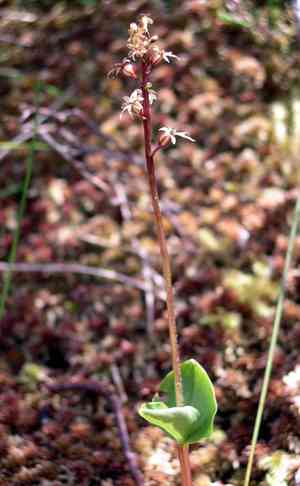
Heart-leaved twayblade (Neottia cordata)
Also known as: Mannikin twayblade
The **Heart-leaved twayblade** is a small orchid native to temperate moorlands, bogs, and mossy areas. It attracts various pollinators such as bees, wasps, ants, and sawflies. Its name comes from its unique heart-shaped leaves.
In This Article
Attributes of Heart-leaved twayblade
Lifespan
Perennial
Plant Type
Herb
Plant Height
8 cm to 20 cm
Spread
Not applicable for this plant
Leaf Color
Green
Flower Size
Small, approximately 5-10 mm
Flower Color
White Yellow Green Purple Red Brown
Images of Heart-leaved twayblade
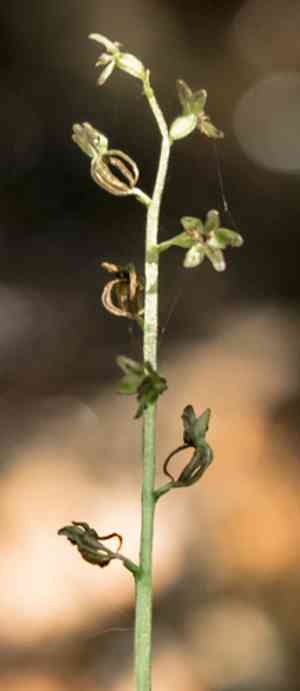
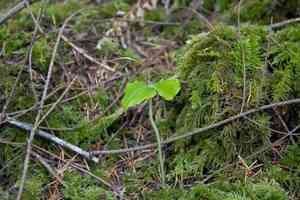
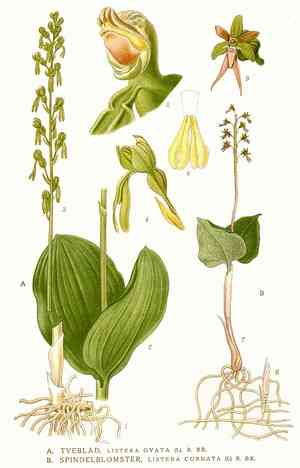
Quickly Identify Heart-leaved twayblade
1
Neottia cordata can be identified by its small size, heart-shaped, opposite leaves, and its small, greenish-brown flowers that appear in pairs on a delicate stem.
Scientific Classification of Heart-leaved twayblade
Phylum
Vascular plants
Class
Monocotyledons
Order
Asparagales
Family
Orchid
Genus
Twayblades
Species
Heart-leaved twayblade
Planting and Growing of Heart-leaved twayblade
Care Difficulty
Hard
Watering Schedule
Every 3 days
Sunlight Requirements
Partial sun
Sunshine Duration
6-10 hours
Ideal Temperature
50-77℉
Soil Type
Potting Mix, Peat Mix
Soil pH
4-5.5
Fertilizer Type
Balanced
Pruning Season
Spring, Summer
Pruning Area
Branches, Leaves
Pruning Frequency
2 times a year
Repotting Season
Spring
Pot Type
Plastic, Ceramic
 How to Water Heart-leaved twayblade?
For Neottia cordata, watering should be done until the soil is adequately moist without being waterlogged. Aim for about 250 ml per session, ensuring even and gentle soaking of the soil. This prevents the roots from sitting in water for long periods which they dislike.
What are the symptoms of an underwatered Heart-leaved twayblade?
›
What should I do if my Heart-leaved twayblade is not getting enough water?
›
What are the symptoms of an overwatered Heart-leaved twayblade?
›
How to save an overwatered Heart-leaved twayblade?
›
 What Are the Sunlight Requirements for Heart-leaved twayblade?
Partial sun to full shade is ideal for Neottia cordata. The plant benefits from steady growth, maintains healthy leaf pigmentation, and supports flowering. Proper light encourages robustness and resilience against environmental stresses.
More About Sunlight Requirements Techniques→
What is the best lighting condition for Neottia cordata?
›
How can you achieve ideal lighting for Neottia cordata indoors?
›
What are the benefits of Neottia cordata receiving ideal light conditions?
›
 What Is the Ideal Temperature Range for Heart-leaved twayblade?
For optimal growth, Neottia cordata prefers a stable climate with temperatures ranging between 50°F and 77°F. This range provides the plant with enough warmth to support its metabolic processes while avoiding excessive heat that could lead to stress. Maintaining such conditions helps the plant thrive and improves its chances of flowering.
 What Soil is Best for Heart-leaved twayblade?
Neottia cordata thrives in soils that have excellent moisture retention. This helps the plant stay hydrated and supports its growth in natural habitats that are often wet or boggy. Surprisingly, Neottia cordata prefers soils that are low in nutrients. Excess nutrients can inhibit its growth, making nutrient-poor soils ideal for promoting its delicate balance. Well-aerated soil is essential for Neottia cordata to enable efficient gas exchange, which is crucial for its root system and overall plant health.
 How to Fertilize Heart-leaved twayblade?
For Neottia cordata, a moderate amount of fertilizer is advisable. When using liquid fertilizer, ensure it is diluted to half the recommended strength for houseplants to avoid nutrient overload. As a small, delicate plant, it does not require heavy feeding, focusing more on providing a balanced nutrient mix that mimics its natural habitats.
 How to Prune Heart-leaved twayblade?
Begin by inspecting Neottia cordata for any dead or damaged leaves, which can be removed using sharp, sterilized scissors. Focus on cutting back foliage that appears faded or weak, allowing room for healthier parts to thrive. Trim gently around the edges to maintain the plant's natural shape and to promote denser growth in the center. Consistent, careful pruning enhances vitality and supports the orchid’s resilience.
More About Pruning Techniques→
 How to Propagate Heart-leaved twayblade plant?
1
Collect seeds from mature Neottia cordata plants before they are dispersed naturally. Clean the seeds and store them dry until you're ready to sow, as this prevents premature germination.
2
Fill seed trays with the sterilized potting mix, ensuring it is evenly distributed. Moisten the soil lightly, making sure it's not too wet to avoid seed rot.
3
Sow the seeds thinly across the surface of the soil. Cover them with a fine layer of potting mix to a depth typically twice the thickness of the seeds. Ensure even spacing to prevent overcrowding.
 How to Repot Heart-leaved twayblade plant?
1
Look for signs such as roots growing out of the pot, soil degradation, or reduced growth rate. These signals indicate that Neottia cordata needs more space and fresh soil nutrients. Optimum timing is either in spring or autumn to minimize stress and encourage robust root growth.
2
Choose a pot that is one size larger than the current pot. Ensure it has sufficient drainage holes to prevent waterlogging, which is crucial for a moisture-sensitive plant like Neottia cordata. The new pot should be made of a material that allows breathability, such as clay.
3
Select an acidic, well-draining soil mix to replicate the plant's natural habitat. A mix containing peat moss and perlite works well as it balances moisture retention with drainage. This choice helps prevent root rot and provides the right acidity for optimal plant health.



