
Walking Iris (Neomarica gracilis)
Also known as: Walking Iris, Apostle Plant
Walking Iris (Neomarica gracilis) is an herbaceous perennial known for its unique method of propagation. After blooming, new plantlets develop at the ends of the flower stalks. The added weight causes the stalks to bend down to the ground, allowing the plantlets to root and grow into new plants. The flowers, which can be white, purple, or yellow, are short-lived but highly fragrant, and the plant blooms abundantly in spring. Walking Iris thrives in both full and partial shade.
Attributes of Walking Iris
Images of Walking Iris
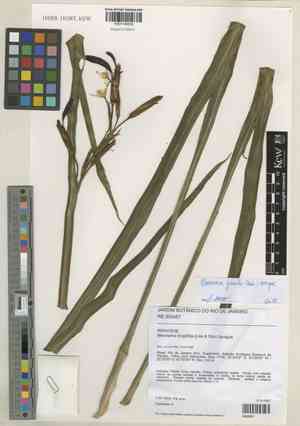



Quickly Identify Walking Iris
Scientific Classification of Walking Iris
Planting and Growing of Walking Iris
 How to Water Walking Iris?
 What Are the Sunlight Requirements for Walking Iris?
 What Is the Ideal Temperature Range for Walking Iris?
 What Soil is Best for Walking Iris?
 How to Fertilize Walking Iris?
 How to Prune Walking Iris?
 How to Propagate Walking Iris plant?
 How to Repot Walking Iris plant?
Toxicity of Walking Iris
Is Walking Iris toxic to cat?
The Walking Iris is known to have a moderate level of toxicity for cats. Cats are primarily exposed through ingestion, which may occur if they chew or ingest any part of the plant, as all its components are harmful. After consuming Walking Iris, felines may demonstrate general signs of discomfort, sickness, or pain, although the specific toxic agents are not thoroughly outlined in the available information. If a cat shows any abnormal behavior after being exposed to Walking Iris, it is vital to obtain immediate veterinary assistance to guarantee their safety and care.
Is Walking Iris toxic to dog?
Walking Iris presents a moderate level of toxicity risk for dogs. If canines consume any part of this plant, they may suffer from poisoning since all sections are deemed toxic. Dogs that ingest walking Iris might display symptoms such as gastrointestinal disturbances, vomiting, and diarrhea. Therefore, it's vital for dog owners to closely observe their pets and restrict their access to walking Iris. Should a dog exhibit any signs of poisoning from this plant, it is essential to seek prompt veterinary assistance to secure the best possible prognosis for the affected animal.



