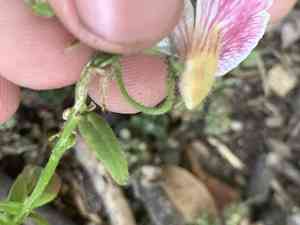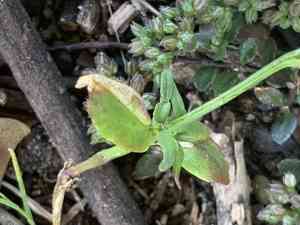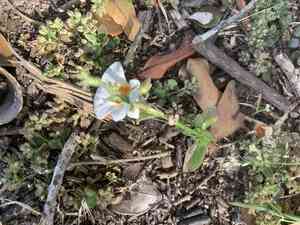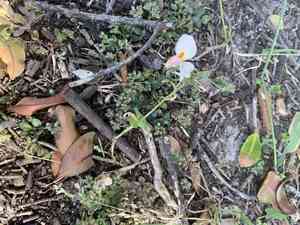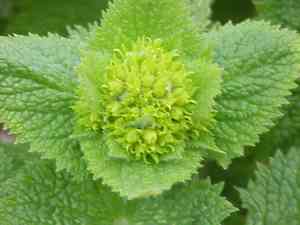
Cape jewels(Nemesia strumosa)

Cape jewels (Nemesia strumosa)

Also known as: Cape Jewels

Nemesia strumosa, also known as Cape Jewels, is a stunning and rapidly growing summer annual. Its vibrant blooms are perfect for mass plantings, containers, and garden beds, adding a splash of color wherever they are placed. Beyond their visual appeal, these flowers emit a delightful fragrance, enhancing the sensory experience of your garden.

### Key Characteristics:
1. **Size**: Grows to a height of 12-18 inches, ideal for a variety of garden settings.
2. **Bloom Time**: Flowers from late spring through early fall, ensuring a long-lasting display.
3. **Color Variety**: Available in multiple colors including red, orange, yellow, pink, blue, and white.
4. **Leaf Shape**: Features narrow, lance-shaped green leaves that are slightly serrated.

### Benefits:
1. **Visual Appeal**: Provides a vivid burst of color, making it a standout addition to any garden.
2. **Fragrance**: The flowers offer a sweet scent that enhances the garden's atmosphere.
3. **Versatility**: Suitable for use in borders, containers, hanging baskets, and rock gardens.
4. **Pollinator Attraction**: Attracts bees, butterflies, and other pollinators, supporting local wildlife.
5. **Ease of Care**: Low maintenance, needing regular watering and occasional deadheading for extended blooming.
6. **Adaptable Growth Conditions**: Thrives in full sun to partial shade and prefers well-drained soil.

Incorporating Nemesia strumosa into your garden can significantly boost its visual and olfactory appeal while also being relatively easy to maintain.

Attributes of Cape jewels

Lifespan
Annual, Biennial, Perennial
Plant Type
Herb
Plant Height
30 cm to 40 cm
Spread
50 cm
Leaf Color
Green Blue
Flower Size
2.5 cm to 5 cm
Flower Color
White Yellow Pink Red Purple Blue Orange Cream Burgundy Gold

PlantJoy - Identify plants with a snap

Identify and diagnose plants, get toxicity alerts, and explore safety guides for all types of fungi.

Try for Free

Images of Cape jewels

Cape jewels(Nemesia strumosa)

Quickly Identify Cape jewels

1
Compact annual plant reaching 6-12 inches (15-30 cm) in height and width.
2
Flowers with bilabiate structure; upper lip has four lobes, lower lip has two.
3
Green lance-shaped leaves up to 3 inches (7.6 cm) long with toothed edges.
4
Leaves have a shiny surface and prominent central vein.
5
Blooms feature a diverse palette of colors with characteristic patterns.

Scientific Classification of Cape jewels

Phylum
Vascular plants
Class
Dicotyledons
Order
Lamiales
Family
Figwort
Genus
Lionfaces
Species
Cape jewels

Planting and Growing of Cape jewels

Care Difficulty
Easy
Watering Schedule
Every 4 days
Sunlight Requirements
Full sun
Sunshine Duration
4-6 hours
Ideal Temperature
60-70℉
Soil Type
Potting Mix, Peat Mix
Soil pH
6-7.5
Fertilizer Type
Balanced
Pruning Season
Spring, Summer
Pruning Area
Branches, Leaves
Pruning Frequency
2 times a year
Repotting Season
Spring
Pot Type
Plastic, Ceramic

water icon How to Water Cape jewels?

For Nemesia strumosa, a thorough watering means pouring about 200 milliliters of water at the base until the soil is evenly moist but not waterlogged. This ensures the roots absorb adequate moisture without overdrenching.
What are the symptoms of an underwatered Cape jewels?
What should I do if my Cape jewels is not getting enough water?
What are the symptoms of an overwatered Cape jewels?
How to save an overwatered Cape jewels?
More About Watering Techniques

sunlight icon What Are the Sunlight Requirements for Cape jewels?

Sunlight Requirements: Full sun, Partial sun
Duration of light: 4-6 hours daily
Nemesia strumosa thrives best in full to partial sun, ideally with 4-6 hours of sunlight. Optimal lighting leads to more abundant blooms and robust growth.
What is the best light condition for Nemesia strumosa?
How can you achieve optimal light for Nemesia strumosa?
What benefits does ideal light provide to Nemesia strumosa?
More About Sunlight Requirements Techniques

temperature icon What Is the Ideal Temperature Range for Cape jewels?

Ideal Temperature: 60 ~ 70℉
Nemesia strumosa thrives in a temperature range of 60 to 70 °F. This range ensures optimal growth and blooming by balancing warmth and coolness for physiological processes.Keeping Nemesia strumosa at 60-70 °F supports robust growth and flower production, providing an environment similar to its native habitat conditions.

soil icon What Soil is Best for Cape jewels?

Soil type: Sandy soil, Loam, Sandy loam
Soil PH: 6 ~ 7.5
Nemesia strumosa thrives in well-draining soil that prevents water from pooling. This type of soil ensures that the roots can breathe and reduces the risk of root rot, which can severely harm or kill the plant. Moderately fertile soil caters to the nutritional needs of Nemesia strumosa, promoting robust flowering and foliage growth. Overly rich soil can lead to excessive leafiness with reduced blooms, while poor fertility could stunt its growth. While nemesia appreciates well-draining soil, it's important that it retains enough moisture to stay hydrated between waterings. This balance helps maintain lush, healthy growth without drowning the roots. More About Soil

fertilize icon How to Fertilize Cape jewels?

Fertilizer type: Balanced
Nemesia strumosa benefits from a balanced application of fertilizer. Use a liquid 10-10-10 (N-P-K) fertilizer diluted at half strength. Typically, this means about 1 tablespoon of liquid fertilizer per gallon of water. For slow-release options, apply about 10 grams of granular fertilizer per square foot around the base of the plant. Be careful to distribute the granules evenly without piling them too close to the stem. More About Fertilizing Techniques

prune icon How to Prune Cape jewels?

Pruning Time: Spring, Summer, Autumn
Begin by locating faded or wilting flowers on the Nemesia strumosa. These should be cut back to the nearest set of healthy leaves or a new bud. Removing spent blooms encourages new growth and extended flowering periods. Trim any stems that have become excessively long or unruly. Aim to maintain a balanced shape, which will improve air circulation and provide more light to the center of the plant. This practice helps prevent leggy growth. After pruning, give your Nemesia strumosa a good watering, and feed it with a balanced liquid fertilizer. This will support recovery and boost the production of new blooms, lending a vibrant display throughout the growing seasons. More About Pruning Techniques

propagate icon How to Propagate Cape jewels plant?

Propagate Time: Spring, Early summer
1
Begin by filling seed trays with a quality seed-starting mix. Distribute the Nemesia strumosa seeds evenly on the surface and lightly cover them with a thin layer of soil. Water gently to keep the soil moist but not waterlogged. Maintain a warm temperature and provide indirect sunlight until germination occurs.
2
Select healthy, non-flowering stems from the parent plant. Use pruning shears to cut sections of 7-10cm in length. Remove the leaves from the lower half and dip the cut end into rooting hormone to enhance root development. Plant the cuttings into moist potting soil and cover with plastic to retain humidity.
3
Once seedlings have at least two sets of leaves, begin the hardening-off process by gradually exposing them to outdoor conditions. After a week, transplant the seedlings into the garden or larger pots. Ensure the new location has well-draining soil and receives adequate sunlight for optimal growth.
More About Propagating Techniques

repot icon How to Repot Cape jewels plant?

Repotting frequency: Once per year
1
Repot Nemesia strumosa when you notice it's root-bound or water drains unusually fast, indicating compacted soil. Opt for early Spring or Summer for best results as the plant is actively growing, facilitating quicker recovery and root establishment.
2
Select a pot that is just one size larger than the current one, with ample drainage holes. This prevents waterlogging and root rot, allowing the plant to have adequate space for healthy root expansion and promoting robust growth.
3
Opt for a loamy, well-draining soil mix rich in organic matter. This ensures that Nemesia strumosa gets enough nutrients while preventing water from stagnating around the delicate roots, thus enhancing aeration and reducing the risk of fungal infections.

PlantJoy - Identify plants with a snap

Find the best spots for them to optimize their health, simply using your phone.

Try for Free