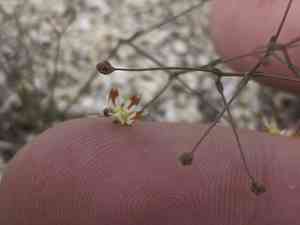
Desert threadplant (Nemacladus rubescens)
Also known as: Rigid-stemmed thread-plant
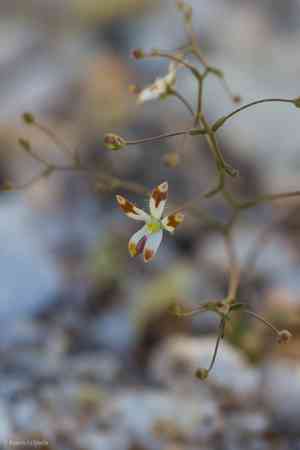
The desert threadplant is a small, resilient wildflower with reddish-pink tones that seamlessly merge with its arid surroundings. Its slender stems and minute leaves are designed to minimize water loss and conserve energy. The plant's delicate, bell-shaped flowers attract local pollinators, illustrating its subtle yet robust adaptation to harsh desert environments.
In This Article
Attributes of Desert threadplant
Lifespan
Biennial
Plant Type
Herb
Plant Height
2 to 12 inches
Spread
Not typically applicable as it has a slender form
Leaf Color
Green
Flower Size
Less than 0.5 inches
Flower Color
Reddish or pinkish
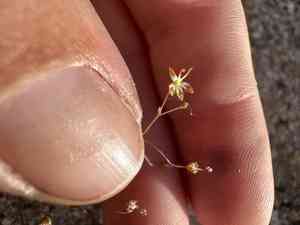
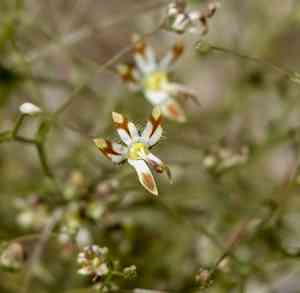
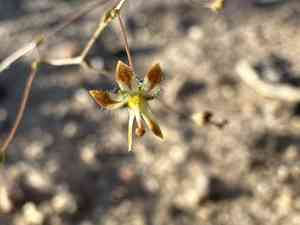
Images of Desert threadplant
Quickly Identify Desert threadplant
1
Nemacladus rubescens can be identified by its fine, thread-like stems, small reddish or pinkish flowers, and its habit of growing in rocky or sandy soils. The flowers typically have five petals and are arranged in loose clusters.
Scientific Classification of Desert threadplant
Phylum
Vascular plants
Class
Dicotyledons
Order
Asterales
Family
Bellflower
Genus
Nemacladus
Species
Desert threadplant
Planting and Growing of Desert threadplant
Care Difficulty
Moderate
Watering Schedule
Every 2 days
Sunlight Requirements
Partial sun
Sunshine Duration
4-6 hours
Ideal Temperature
60-75℉
Soil Type
Potting Mix, Peat Mix
Soil pH
6.5-7.5
Fertilizer Type
Balanced
Pruning Season
Spring, Summer
Pruning Area
Branches, Leaves
Pruning Frequency
2 times a year
Repotting Season
Spring
Pot Type
Plastic, Ceramic
 How to Water Desert threadplant?
Nemacladus rubescens prefers a moderately dry environment. Watering should be light, about 100ml per session, ensuring that the soil is damp but not waterlogged. Water just enough to reach the roots, avoiding pooling on the surface.
What are the symptoms of an underwatered Desert threadplant?
›
What should I do if my Desert threadplant is not getting enough water?
›
What are the symptoms of an overwatered Desert threadplant?
›
How to save an overwatered Desert threadplant?
›
 What Are the Sunlight Requirements for Desert threadplant?
Partial sun is the ideal range for Nemacladus rubescens. This condition ensures healthy growth, vibrant leaves, and optimal blooming by balancing sun and shade exposure.
Solution for Ideal Lighting
›
Specific Measures for Optimal Sunlight
›
Benefits of Ideal Sunlight
›
 What Is the Ideal Temperature Range for Desert threadplant?
Nemacladus rubescens thrives in an ideal temperature range between 60°F and 75°F. This range promotes healthy growth and flowering, providing the warmth needed for the plant’s biological processes while ensuring it doesn't get too hot, which could stress the plant.
 What Soil is Best for Desert threadplant?
Nemacladus rubescens thrives in well-drained soils, as it prevents waterlogging which can lead to root rot. This condition increases the plant's ability to absorb essential nutrients and enhances its overall growth. Preferring a sandy texture allows for excellent drainage and aeration. It facilitates root expansion and minimizes fungal diseases, crucial for healthy growth and optimal flowering. A nutrient-rich substrate ensures that Nemacladus rubescens gets the necessary minerals. This is essential for the plant to maintain its vibrant appearance and robust development, particularly during its growth phase.
 How to Fertilize Desert threadplant?
Nemacladus rubescens requires a balanced amount of nutrients. When using liquid fertilizers, dissolve 1 teaspoon into a gallon of water for optimal growth. Ensure that the solution concentration is mild to avoid root burn.
 How to Prune Desert threadplant?
Begin by identifying any dead or damaged stems on your Nemacladus rubescens. Use a pair of sharp pruning shears to cut these back to the base, promoting new growth. For shaping, trim back any excessively long stems, ensuring you maintain the natural shape of the plant. To encourage fuller growth, pinch back the tips of new shoots. Use your fingers or a small pair of scissors to remove the tip of the shoot just above a set of healthy leaves. This process stimulates the plant to produce lateral branches, giving the plant a lush appearance.
More About Pruning Techniques→
 How to Propagate Desert threadplant plant?
1
Carefully collect mature seeds from a healthy Nemacladus rubescens plant at the end of the flowering season, ensuring they are fully mature to increase germination success.
2
Fill seed trays with sterile potting mix, ensuring it is evenly moist but not waterlogged, to provide an optimal environment for seed germination.
3
Evenly scatter the seeds across the surface of the soil in the seed tray, lightly covering them with a thin layer of soil to protect them and enhance germination.
 How to Repot Desert threadplant plant?
1
Nemacladus rubescens shows signs of needing a new pot when its roots begin to appear through the drainage holes, it becomes root-bound, or growth noticeably slows despite proper care. Additionally, if the soil no longer drains well or starts to emit an unpleasant odor, it's time for a fresh habitat.
2
Select a pot that is one size larger than the current one, boasting ample drainage holes to promote healthy root development. A terracotta pot is ideal as it allows excess moisture to evaporate, preventing root rot and creating a breathable environment for this low-maintenance plant.
3
Opt for a well-draining, sandy soil mix to mimic its natural habitat. This mix aids in preventing waterlogging, which is vital since Nemacladus rubescens prefers dry conditions. Incorporating perlite or small gravel can further enhance drainage, ensuring the roots never sit in water.
Learn More About Desert threadplant Diseases
Anthracnose
Bacterial Leaf Spot
Bacterial Wilt
Chemical Injury
Cyst Nematode
Damping-off
Downy Mildew
Drought Stress
Fusarium Wilt
Gray Mold
Leaf Spot
Mosaic
Nutrient Deficiency
Nutrient Toxicity
Powdery Mildew
Root Rot
Root-knot Nematode
Rusts
Sooty Mold
Spider Mites
Temperature Stress
Thrips Damage
White Mold


