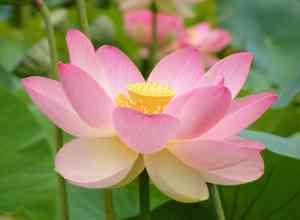
Lotuses (Nelumbo) (Nelumbo)
Also known as: Sacred Lotus, Indian Lotus, Bean of India
The lotus, renowned for its elegant and striking flowers, is one of the world's most iconic ornamental water plants. Despite historical records suggesting more, only two species are known to exist today. This plant holds the title of national flower in both India and Vietnam and is deeply revered in Hinduism and Buddhism.
In This Article
Attributes of Lotuses (Nelumbo)
Lifespan
Perennial
Plant Height
Up to 1.5 meters (5 feet)
Spread
Typically spans up to 3 meters (10 feet)
Leaf Color
Green
Flower Size
15-30 centimeters (6-12 inches)
Flower Color
Pink, White, Yellow
Images of Lotuses (Nelumbo)
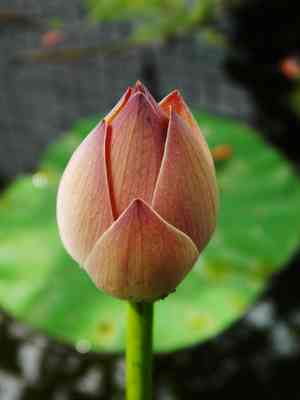
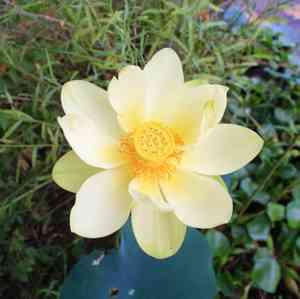

Quickly Identify Lotuses (Nelumbo)
1
Identify Nelumbo by its large, round leaves which are peltate (attached at the center), its fragrant, large flowers which can be pink, white, or yellow, and its unique seed pods resembling showerheads.
Scientific Classification of Lotuses (Nelumbo)
Phylum
Tracheophyta
Class
Magnoliopsida
Order
Proteales
Family
Nelumbonaceae
Genus
Nelumbo
Planting and Growing of Lotuses (Nelumbo)
Care Difficulty
Moderate
Watering Schedule
Every 4 days
Sunlight Requirements
Full sun
Sunshine Duration
4-8 hours
Ideal Temperature
77-86℉
Soil Type
Potting Mix, Peat Mix
Soil pH
6.5-7.5
Fertilizer Type
Balanced
Pruning Season
Spring, Summer
Pruning Area
Branches, Leaves
Pruning Frequency
2 times a year
Repotting Season
Spring
Pot Type
Plastic, Ceramic
 How to Water Lotuses (Nelumbo)?
Nelumbo, or the sacred lotus, enjoys being submerged in shallow water. For optimal growth, each watering session should ensure that the water level remains about 5 to 15 centimeters above the soil. This ensures the plant's roots are submerged, mimicking their natural marshy habitat and promoting the iconic growth they are known for.
What are the symptoms of an underwatered Lotuses (Nelumbo)?
›
What should I do if my Lotuses (Nelumbo) is not getting enough water?
›
What are the symptoms of an overwatered Lotuses (Nelumbo)?
›
How to save an overwatered Lotuses (Nelumbo)?
›
 What Are the Sunlight Requirements for Lotuses (Nelumbo)?
Nelumbo flourishes best under full to partial sun, with 6 to 8 hours being ideal. This facilitates strong growth, vibrant leaves, and abundant flowering, enhancing the plant's ornamental value.
Duration of Sunlight
›
Optimal Location
›
Benefits of Ideal Lighting
›
 What Is the Ideal Temperature Range for Lotuses (Nelumbo)?
The ideal temperature range for Nelumbo is between 77°F and 86°F. This range is optimal because it supports the plant's natural metabolic processes, ensuring healthy growth and reproduction. Within these temperatures, Nelumbo can efficiently photosynthesize, absorb nutrients, and maintain hydration levels effectively.
 What Soil is Best for Lotuses (Nelumbo)?
Nelumbo thrives in moisture-retentive soils as they provide the consistent hydration needed for optimal growth. Loam or sandy loam soils allow for adequate water retention without becoming waterlogged, which is key for the plant's robust leaf and flower production. Rich, fertile soils ensure Nelumbo gets all essential nutrients for vigorous growth. The presence of organic matter enhances soil fertility, promoting lush foliage and vibrant blooms, making loam or improved sandy loam ideal choices. Proper aeration in soil is crucial for Nelumbo, as it facilitates root respiration. Loam's balanced texture supports air circulation, preventing root rot and encouraging healthy growth and flowering.
 How to Fertilize Lotuses (Nelumbo)?
For Nelumbo plants, a moderate amount of fertilizer is ideal. Use around 1 ounce (approximately 28 grams) of liquid fertilizer per application for each medium-sized aquatic container. Over-fertilization should be avoided as it might harm the plant's delicate aquatic environment.
 How to Prune Lotuses (Nelumbo)?
Begin by inspecting the entire plant for any dead or discolored leaves, then carefully trim these away using clean, sharp scissors or pruning shears. Focus on removing any foliage that appears wilted or damaged to encourage new growth and maintain the plant's health. Always cut at a 45-degree angle to prevent water pooling, which can lead to rot. To shape Nelumbo effectively, concentrate on thinning out crowded areas. Remove weak or crowded stems entirely to allow sunlight to penetrate to the lower leaves and encourage air circulation. This process helps reduce the risk of fungal infections and supports strong, balanced growth. Once flowering ends, trim back the spent flower stalks down to the next leaf juncture. This will help redirect the plant's energy towards producing new blooms rather than sustaining the old ones.
 How to Propagate Lotuses (Nelumbo) plant?
1
Before germinating, lotus seeds require scarification to penetrate the hard seed coat. This can be done by gently rubbing the seeds against sandpaper. Ensure not to damage the seed inside.
2
Once scarified, soak the seeds in warm water until they swell and sprout. Change the water daily to keep it fresh and encourage healthy seedling development.
3
For division, use a sharp knife to separate tubers, ensuring each has an eye or bud. Plant them in containers filled with mud or clay, keeping them submerged in water.
 How to Repot Lotuses (Nelumbo) plant?
1
Repot your Nelumbo when you see its leaves turning yellow or the tubers crowding the pot. Spring is ideal as the plant emerges from its dormant state, ensuring it has the entire growing season to flourish in its new pot.
2
Opt for a wide, shallow container that allows for the horizontal spread of lotus tubers. A pot without drainage holes prevents water from escaping, simulating the watery environment Nelumbo prefers, thus promoting healthy growth.
3
Select loamy, rich, and aquatic soil, as it holds nutrients efficiently while maintaining the moist environment that Nelumbo thrives in. Such soil supports robust tuber and leaf development by simulating natural pond conditions.

