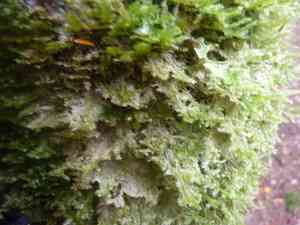
Shingle moss (Neckera pennata)
Also known as: None
Shingle moss is a delicate moss species with fern-like foliage that thrives in damp, shaded woodland settings. It commonly forms dense, green carpets on tree bark and rocks. The plant flourishes in humid conditions, allowing it to spread effectively and sustain itself in the moist microenvironments it inhabits.
In This Article
Attributes of Shingle moss
Lifespan
Perennial
Plant Type
Moss
Plant Height
5 cm to 11 cm
Spread
Typically forms dense mats
Leaf Color
Green
Flower Size
Not applicable
Flower Color
Not applicable
Images of Shingle moss
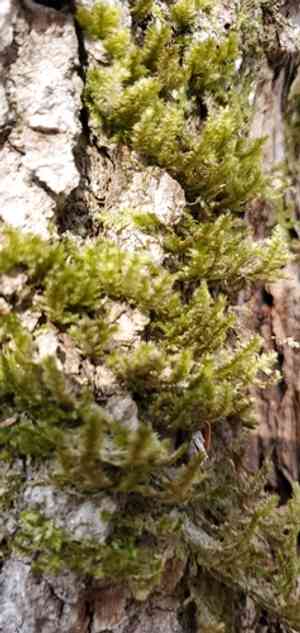
Quickly Identify Shingle moss
1
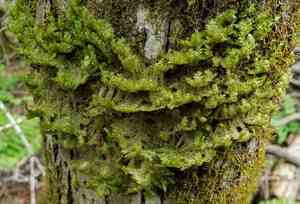
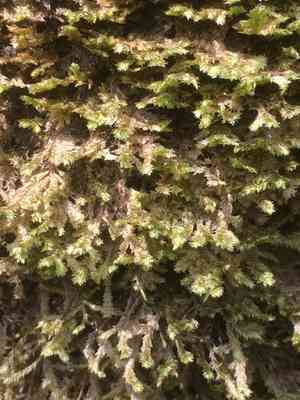
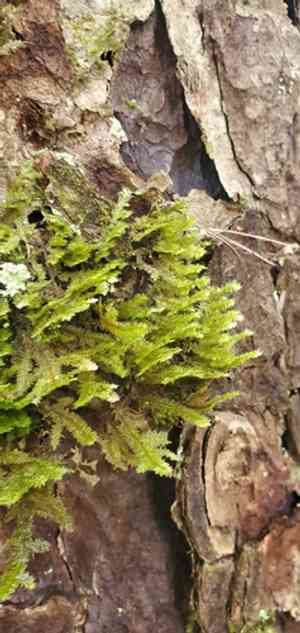
To identify Neckera pennata, look for its distinctive feather-like appearance with overlapping leaves that are arching and curved. The leaves are lance-shaped and have a central vein.
Scientific Classification of Shingle moss
Phylum
Mosses
Class
True mosses
Order
Hypnales
Family
Neckeraceae
Genus
Neckera
Species
Shingle moss
Planting and Growing of Shingle moss
Care Difficulty
Moderate
Watering Schedule
Every 2 days
Sunlight Requirements
Partial sun
Sunshine Duration
6-10 hours
Ideal Temperature
50-60℉
Soil Type
Potting Mix, Peat Mix
Soil pH
6-7.5
Fertilizer Type
Balanced
Pruning Season
Spring, Summer
Pruning Area
Branches, Leaves
Pruning Frequency
2 times a year
Repotting Season
Spring
Pot Type
Plastic, Ceramic
 How to Water Shingle moss?
When watering Neckera pennata, ensure you provide approximately 100 ml of water each time. The key to proper watering is to allow the water to seep into the substrate thoroughly but avoid any excess that results in standing water. The soil should feel slightly damp but not soggy, promoting a healthy balance of moisture.
What are the symptoms of an underwatered Shingle moss?
›
What should I do if my Shingle moss is not getting enough water?
›
What are the symptoms of an overwatered Shingle moss?
›
How to save an overwatered Shingle moss?
›
 What Are the Sunlight Requirements for Shingle moss?
Partial sun to full shade is optimal, providing Neckera pennata with the balance it requires for healthy growth without the risks of intense sunlight exposure. Ideal lighting conditions replicate the filtered light through tree canopies it naturally encounters, contributing to robust growth and foliage vitality.
What is the best light condition for Neckera pennata?
›
How can you achieve ideal lighting for Neckera pennata?
›
What are the benefits of ideal lighting for Neckera pennata?
›
 What Is the Ideal Temperature Range for Shingle moss?
The ideal temperature range ensures optimal growth and vitality for Neckera pennata. Maintaining temperatures between 50°F and 60°F helps this moss thrive by mimicking its natural habitat conditions. Consistent temperatures within this range promote healthy photosynthesis and nutrient absorption, preventing stress and ensuring vigorous development.
 What Soil is Best for Shingle moss?
Neckera pennata thrives well in soil with excellent drainage to prevent waterlogged conditions, which can cause root rot. Well-draining loam ensures that the roots stay healthy and receive adequate aeration. Although effective drainage is crucial, this plant also benefits from soil that retains some moisture. Sandy loam with a slight acidity provides this balance, maintaining consistent moisture levels for optimal growth. Nutrient-rich loamy soil enhances the plant's growth and vitality. Adequate nutrient content promotes dense foliage and a vibrant green hue, which are essential for this moss-like plant's overall appearance and health.
 How to Fertilize Shingle moss?
When fertilizing Neckera pennata, it's crucial to consider its natural habitat, as it typically requires minimal nutrients. A general guideline is to use half the recommended dose on the fertilizer label because too much fertilizer can be detrimental. For liquid fertilizers, a quarter teaspoon per gallon is usually sufficient. This moss thrives with a delicate balance, so less is more.
 How to Prune Shingle moss?
While it's tempting to prune extensively for immediate aesthetic appeal, over-pruning can adversely affect Neckera pennata's growth. Ensure only the overgrown or brown fronds are targeted, maintaining the balance required for its lush appearance. Always use sharp, clean scissors or pruning shears to prevent damage to the plant. Regularly sterilize your tools between uses to avoid transferring any potential diseases to your Neckera pennata, ensuring it remains healthy and vibrant.
 How to Propagate Shingle moss plant?
1
Choose healthy and disease-free sections of the parent plant to ensure successful propagation. A length of about 4-6 inches is optimal.
2
Using a sharp knife, make a diagonal cut just below a node. This increases the surface area for water absorption and root development.
3
Dip the cut end of the cuttings into a rooting hormone to stimulate growth. Shake off any excess powder to ensure only a light layer remains.
 How to Repot Shingle moss plant?
1
Neckera pennata shows signs it needs repotting when its growth slows noticeably and roots start emerging from drainage holes. It's best to perform this in early Spring or mid-Autumn, giving the moss ample time to stabilize before more extreme seasonal changes.
2
Select a pot slightly larger than the current one, focused on width rather than depth, as this promotes even moisture distribution. A shallow pot with sufficient drainage holes helps maintain the airy environment Neckera pennata appreciates, preventing waterlogging that can cause root rot.
3
Opt for a moist sphagnum moss mix, renowned for its excellent water-holding capacity while allowing air to permeate. This replicates the natural habitats of Neckera pennata, ensuring consistent support to its unique growth habits and preventing root suffocation.

