
San anselmo navarretia (Navarretia rosulata)
Also known as: Rosette Navarretia
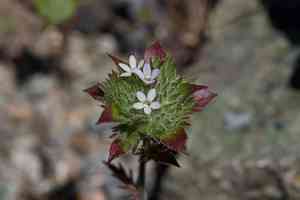
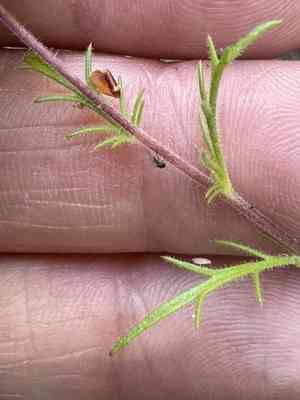
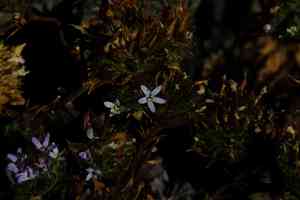
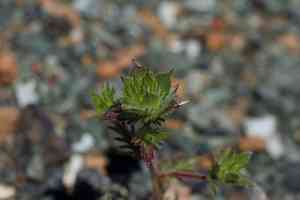
San Anselmo navarretia (Navarretia rosulata) is a rare annual herb notable for its basal rosette of narrow leaves covered in sticky glandular hairs. The plant produces small, white to pale lavender flowers. It prefers serpentine soils and is commonly found in open, rocky areas within chaparral, coastal scrub, and open woodlands. Its compact form and ability to withstand drought conditions make it well-suited to its sun-exposed, challenging habitat in Marin and Sonoma counties, California.
In This Article
Attributes of San anselmo navarretia
Lifespan
Annual
Plant Type
Herb
Plant Height
15-35 cm
Spread
Varies by individual plant; typically small and compact
Leaf Color
Green
Flower Size
1-2 cm
Flower Color
Dark blue, purple
Images of San anselmo navarretia
Quickly Identify San anselmo navarretia
1
Navarretia rosulata can be identified by its dense rosette form with lobed, bristly leaves. The flowerhead is clustered with dark blue or purple tubular flowers.
Scientific Classification of San anselmo navarretia
Phylum
Vascular plants
Class
Dicotyledons
Order
Ericales
Family
Phlox
Genus
Navarretia
Species
San anselmo navarretia
Planting and Growing of San anselmo navarretia
Care Difficulty
Easy
Watering Schedule
Every 3 days
Sunlight Requirements
Full sun
Sunshine Duration
4-8 hours
Ideal Temperature
65-75℉
Soil Type
Potting Mix, Peat Mix
Soil pH
6.5-7.5
Fertilizer Type
Balanced
Pruning Season
Spring, Summer
Pruning Area
Branches, Leaves
Pruning Frequency
2 times a year
Repotting Season
Spring
Pot Type
Plastic, Ceramic
 How to Water San anselmo navarretia?
Navarretia rosulata requires careful watering. Ensure the soil is thoroughly moist without waterlogging. Approximately 200 ml per session is recommended, but always adjust based on the current weather conditions and the soil's moisture level.
What are the symptoms of an underwatered San anselmo navarretia?
›
What should I do if my San anselmo navarretia is not getting enough water?
›
What are the symptoms of an overwatered San anselmo navarretia?
›
How to save an overwatered San anselmo navarretia?
›
 What Are the Sunlight Requirements for San anselmo navarretia?
Navarretia rosulata thrives in full sun, enjoying 6 to 8 hours of direct sunlight daily. Adequate sunlight promotes vibrant growth and abundant flowering.
What is the ideal amount of sunlight for Navarretia rosulata?
›
How does location impact the sunlight requirements for Navarretia rosulata?
›
What can be done if natural light is insufficient?
›
 What Is the Ideal Temperature Range for San anselmo navarretia?
Navarretia rosulata thrives best in daytime temperatures ranging from 65°F to 75°F. This range supports efficient photosynthesis and metabolic processes, promoting robust growth and preventing stress.
 What Soil is Best for San anselmo navarretia?
Navarretia rosulata thrives in well-drained soil. This ensures that excess water doesn't accumulate, preventing root rot and encouraging healthy growth. Well-drained soil also allows roots to access oxygen, vital for plant health. The plant prefers soil with a moderate nutrient profile. This balance supports steady growth without overwhelming the plant with excess nutrients, which could lead to overly lush growth that is susceptible to pests. The ideal pH for Navarretia rosulata is slightly acidic to neutral. This pH range enhances nutrient availability and allows the plant to absorb essential elements more efficiently, facilitating vigorous growth and development.
 How to Fertilize San anselmo navarretia?
For Navarretia rosulata, use a balanced liquid fertilizer like 10-10-10, diluted to half the recommended strength. This minimizes the risk of fertilizer burn and suits the plant's modest nutrient needs.
 How to Prune San anselmo navarretia?
Begin by observing the plant for any signs of dead or damaged stems and leaves. Carefully trim these away, as removing them will make room for new, healthy growth. Trim back outer growth to maintain a compact, appealing shape. This shaping encourages denser growth and enhances the plant’s overall appearance.
More About Pruning Techniques→
 How to Propagate San anselmo navarretia plant?
1
Scatter Navarretia rosulata seeds evenly across the surface of a filled seed tray. Lightly press the seeds into the soil and cover them with a thin layer of potting mix. Water gently to avoid displacing the seeds.
2
Place seed trays in a well-lit area with indirect sunlight. Maintain consistent moisture levels by using a spray bottle to lightly water the soil surface as needed. Ensure temperatures remain between 18-22°C (64-72°F) for optimal germination.
3
Once seedlings develop a second set of true leaves, carefully transplant them into individual pots. Use a potting mix similar to the one used for seed sowing. Handle seedlings by their leaves to avoid damaging the delicate stems.
 How to Repot San anselmo navarretia plant?
1
You should consider repotting Navarretia rosulata when you observe slowed growth or roots coming out of drainage holes. These signs indicate that the plant has outgrown its current pot and requires more space to flourish.
2
Select a pot that is one size larger than the current one, with good drainage holes to prevent waterlogging. A slightly larger pot ensures enough room for root expansion and helps maintain appropriate moisture levels, fostering healthier growth.
3
Opt for a well-draining sandy mix, as it minimizes the risk of root rot and promotes proper air circulation. This type of soil mimics the plant's natural habitat and provides the roots with the oxygen they need to thrive.
Learn More About San anselmo navarretia Diseases
Anthracnose
Bacterial Leaf Spot
Bacterial Soft Rot
Bacterial Wilt
Chemical Injury
Damping-off
Downy Mildew
Drought Stress
Fusarium Wilt
Gray Mold
Leaf Curl
Leaf Spot
Mosaic
Nutrient Deficiency
Nutrient Toxicity
Powdery Mildew
Root Rot
Root-knot Nematode
Rusts
Sooty Mold
Spider Mites
Temperature Stress
Thrips Damage
White Mold



