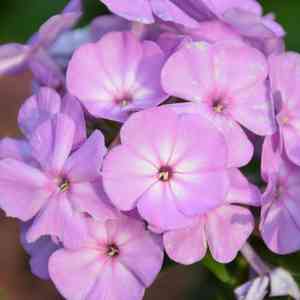
Prostrate pincushionplant (Navarretia prostrata)
Also known as: Vernal pincushion plant
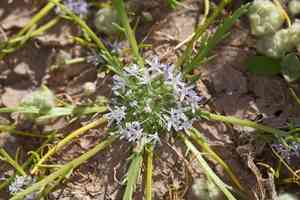
The prostrate pincushionplant, also known as Navarretia prostrata, is a sprawling annual herb noted for forming dense, ground-hugging mats. It is distinguished by its small, needle-like leaves and clusters of tiny, tubular flowers that are usually white or pale blue.
This plant is typically found in coastal sage scrub, grasslands, and vernal pools in California. It prefers well-drained sandy or clay soils and flourishes in areas with seasonal moisture. Its prostrate growth habit helps it conserve water and reduce exposure to harsh sunlight and wind.
In This Article
Attributes of Prostrate pincushionplant
Lifespan
Annual
Plant Type
Herb
Plant Height
0.1 to 0.3 meters
Spread
Approximately 0.2 to 0.4 meters
Leaf Color
Green
Flower Size
1 to 2 centimeters
Flower Color
Blue or purplish-blue
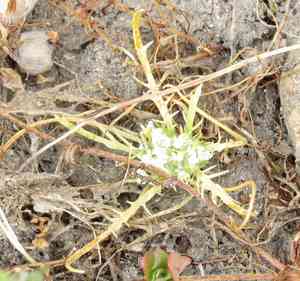
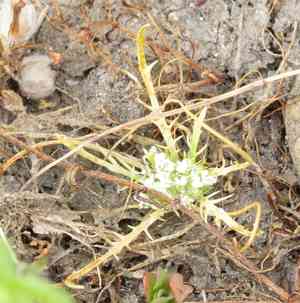
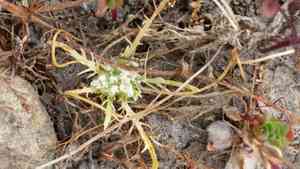
Images of Prostrate pincushionplant
Quickly Identify Prostrate pincushionplant
1
Navarretia prostrata can be identified by its prostrate growth habit, finely divided needle-like leaves, and small, cluster-like inflorescences that are characteristically spiny-looking. The flowers are typically blue or purplish-blue.
Scientific Classification of Prostrate pincushionplant
Phylum
Vascular plants
Class
Dicotyledons
Order
Ericales
Family
Phlox
Genus
Navarretia
Species
Prostrate pincushionplant
Planting and Growing of Prostrate pincushionplant
Care Difficulty
Easy
Watering Schedule
Every 3 days
Sunlight Requirements
Full sun
Sunshine Duration
4-8 hours
Ideal Temperature
60-75℉
Soil Type
Potting Mix, Peat Mix
Soil pH
6.5-7.5
Fertilizer Type
Balanced
Pruning Season
Spring, Summer
Pruning Area
Branches, Leaves
Pruning Frequency
2 times a year
Repotting Season
Spring
Pot Type
Plastic, Ceramic
 How to Water Prostrate pincushionplant?
Navarretia prostrata thrives best with consistent but moderate watering. Each time you water, aim to provide about 250 milliliters of water, ensuring the soil is thoroughly moist but never waterlogged. The goal is to maintain even moisture, mimicking its natural habitat without drowning its roots.
What are the symptoms of an underwatered Prostrate pincushionplant?
›
What should I do if my Prostrate pincushionplant is not getting enough water?
›
What are the symptoms of an overwatered Prostrate pincushionplant?
›
How to save an overwatered Prostrate pincushionplant?
›
 What Are the Sunlight Requirements for Prostrate pincushionplant?
Navarretia prostrata ideally grows with full to partial sunlight exposure. This helps maintain its health and promotes maximum flowering, mimicking its native open grassland habitats.
How much sunlight does Navarretia prostrata need?
›
What are some solutions to provide the ideal light?
›
Why is ideal lighting important for this plant?
›
 What Is the Ideal Temperature Range for Prostrate pincushionplant?
Navarretia prostrata thrives best in a temperature range of 60 to 75°F. Maintaining this range ensures adequate growth and flowering. Slight fluctuations are permissible, but prolonged deviations can stress the plant.
 What Soil is Best for Prostrate pincushionplant?
Navarretia prostrata thrives in well-drained soil, preventing waterlogged conditions that can lead to root rot. This requirement ensures healthy root development and optimal nutrient absorption, crucial for the plant's overall growth. A nutrient-rich soil composition supports the robust growth of Navarretia prostrata. This ensures the plant receives essential minerals and nutrients, promoting vibrant foliage and abundant flowering. The soil should have moderate moisture retention to keep Navarretia prostrata hydrated without excess water. This balance helps maintain plant vitality during dry spells while preventing root diseases from excessive moisture.
 How to Fertilize Prostrate pincushionplant?
For Navarretia prostrata, moderate fertilization is key. Use a balanced 10-10-10 NPK liquid fertilizer, diluted to half strength, to avoid burning the plant. Apply approximately 1-2 tablespoons per application for optimal growth.
 How to Prune Prostrate pincushionplant?
Start by sterilizing your pruning shears with alcohol to prevent disease transmission. Identify dead or damaged stems, and gently trim them back to healthy sections. Focus on maintaining its prostrate shape, and remove any protruding or irregular branches balancing the symmetry. Make precise cuts at a slight angle to facilitate good drainage and quicker healing.
More About Pruning Techniques→
 How to Propagate Prostrate pincushionplant plant?
1
Fill the seed tray with sterilized soil mix, leaving a small gap at the top. Ensure the soil is evenly moist by misting it lightly with water.
2
Scatter the Navarretia prostrata seeds thinly over the soil surface. Do not cover them deeply, as they require light for germination. Lightly press the seeds into the soil.
3
Place the seed tray in a location with bright, indirect sunlight and a consistent temperature of around 18-22°C (64-72°F). Keep the soil moist but avoid overwatering.
 How to Repot Prostrate pincushionplant plant?
1
Navarretia prostrata should be repotted when it shows signs such as roots emerging from drainage holes, soil compacting, or slowed growth. These indicate that the plant needs more room to expand and fresh nutrients.
2
Opt for a pot that is slightly larger than the current one, preferably with drainage holes to prevent waterlogging. A ceramic or clay pot can help with stability, balancing moisture retention and evaporation.
3
Choose a sandy, well-draining soil to replicate its natural environment. This soil type supports root health by preventing compaction and ensuring that water doesn't pool around the roots.
Learn More About Prostrate pincushionplant Diseases
Anthracnose
Bacterial Leaf Spot
Bacterial Wilt
Crown Gall
Cyst Nematode
Damping-off
Downy Mildew
Drought Stress
Fusarium Wilt
Gray Mold
Leaf Spot
Mosaic
Nutrient Deficiency
Nutrient Toxicity
Powdery Mildew
Root Rot
Root-knot Nematode
Rusts
Sooty Mold
Spider Mites
Temperature Stress
Thrips Damage
White Mold



