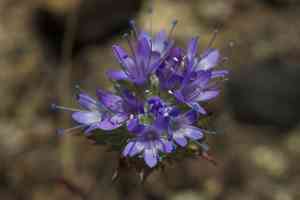
Calistoga pincushionplant (Navarretia heterodoxa)
Also known as: None known
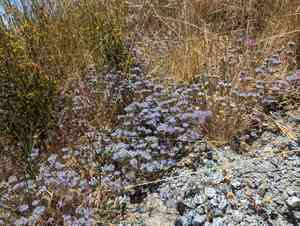
The Calistoga pincushionplant (Navarretia leucocephala ssp. pauciflora) is uniquely adapted to its preferred sunny, open habitats, particularly vernal pools and moist meadows in California. Key adaptations include:
1. **Vibrant Flower Clusters**: The plant's striking white to pale flowers, which cluster densely, are a notable feature, helping attract pollinators in its blooming season.
2. **Shallow Root System**: Adapted to seasonal water availability, allowing the plant to thrive in vernal pools that dry up in summer.
3. **Compact, Dense Growth**: Its low, cushion-like form minimizes water loss and is less appealing to grazing animals.
4. **Narrow, Dense Leaves**: These leaves reduce water loss and are well-suited to the plant's often moist but temporary habitat.
5. **Sticky Stems**: They help deter herbivores, providing protection from being eaten.
These adaptations help the Calistoga pincushionplant survive and flourish in its specific environmental niche.
Attributes of Calistoga pincushionplant
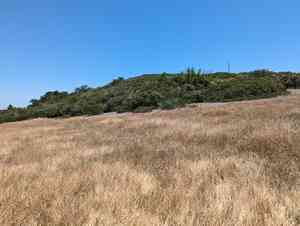
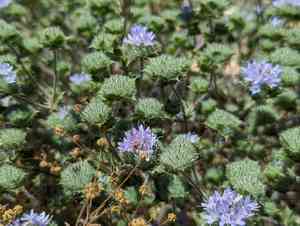
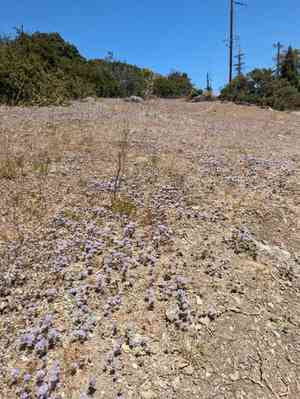
Images of Calistoga pincushionplant
 How to Water Calistoga pincushionplant?
 What Are the Sunlight Requirements for Calistoga pincushionplant?
 What Is the Ideal Temperature Range for Calistoga pincushionplant?
 What Soil is Best for Calistoga pincushionplant?
 How to Fertilize Calistoga pincushionplant?
 How to Prune Calistoga pincushionplant?
 How to Propagate Calistoga pincushionplant plant?
 How to Repot Calistoga pincushionplant plant?



