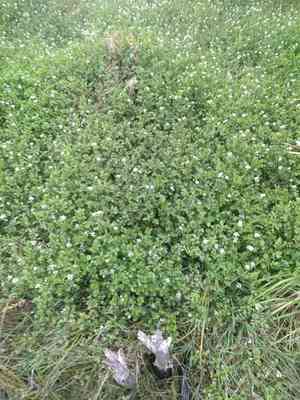
Nasturtium (Nasturtium) (Nasturtium)
Also known as: Indian Cress, Monk's Cress
Nasturtium, scientifically known as Tropaeolum, is a genus of flowering plants known for their bright and vibrant colors, with both annual and perennial varieties. They are widely grown for their showy flowers, edible leaves, and resistance to pests.
In This Article
Attributes of Nasturtium (Nasturtium)
Lifespan
Annual
Plant Height
20-40 cm
Spread
Varies, but trailing types can spread up to 1.5 meters
Leaf Color
Green
Flower Size
4-6 cm
Flower Color
Yellow Red Orange
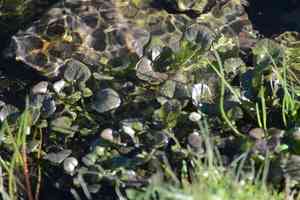
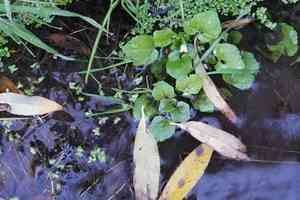
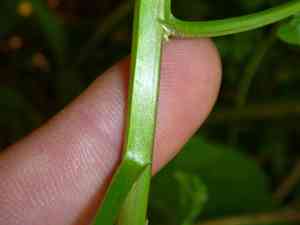
Images of Nasturtium (Nasturtium)

Quickly Identify Nasturtium (Nasturtium)
1
Nasturtiums can be identified by their round, shield-shaped leaves, long trailing stems, and vividly colored flowers that range from yellow to deep red. The flowers have a unique spur at the back.
Scientific Classification of Nasturtium (Nasturtium)
Phylum
Magnoliophyta
Class
Magnoliopsida
Order
Brassicales
Family
Tropaeolaceae
Genus
Tropaeolum
Planting and Growing of Nasturtium (Nasturtium)
Care Difficulty
Easy
Watering Schedule
Every 8 days
Sunlight Requirements
Full sun
Sunshine Duration
6-10 hours
Ideal Temperature
65-75℉
Soil Type
Potting Mix, Peat Mix
Soil pH
6.5-7.5
Fertilizer Type
Balanced
Pruning Season
Spring, Summer
Pruning Area
Branches, Leaves
Pruning Frequency
2 times a year
Repotting Season
Spring
Pot Type
Plastic, Ceramic
 How to Water Nasturtium (Nasturtium)?
Nasturtium plants prefer to have their soil consistently moist, but not waterlogged. The general principle is to water them thoroughly until the water starts draining out of the bottom of the pot. Avoid letting them sit in standing water, as this can lead to root rot.
What are the symptoms of an underwatered Nasturtium (Nasturtium)?
›
What should I do if my Nasturtium (Nasturtium) is not getting enough water?
›
What are the symptoms of an overwatered Nasturtium (Nasturtium)?
›
How to save an overwatered Nasturtium (Nasturtium)?
›
 What Are the Sunlight Requirements for Nasturtium (Nasturtium)?
Ideal lighting for Nasturtium includes both full sun and partial sun, allowing the plant to utilize maximum sunlight. This promotes lush growth, vibrant colors, and abundant flowering.
What is the ideal lighting for Nasturtium?
›
What are the benefits of ideal lighting for Nasturtium?
›
What can one do to ensure Nasturtiums get their ideal light?
›
 What Is the Ideal Temperature Range for Nasturtium (Nasturtium)?
The ideal temperature range for cultivating Nasturtium is between 65°F and 75°F. This range provides optimal conditions for photosynthesis and growth, ensuring the plant can access enough warmth without the risk of heat stress. The balance promotes vibrant foliage and abundant blooms.
 What Soil is Best for Nasturtium (Nasturtium)?
Nasturtium thrives in well-drained soil which prevents waterlogging and root rot. Proper drainage ensures that roots receive sufficient oxygen, promoting healthy growth and vibrant blooms. The plant benefits from moderately fertile soil, which supports robust plant development without causing excessive leaf growth at the expense of flowers. Proper fertility balances nutrient availability for optimal growth. Nasturtium prefers slightly dry soil conditions, which mimic its natural habitat. This reduces the risk of disease and encourages strong, resilient root systems.
 How to Fertilize Nasturtium (Nasturtium)?
For Nasturtium, optimal fertilization requires a delicate balance. When using a liquid fertilizer, dilute it to half the recommended strength. This ensures the plant receives nutrients without overwhelming its sensitive system. A little goes a long way, promoting vibrant foliage and blooms.
 How to Prune Nasturtium (Nasturtium)?
Look for dead or diseased leaves and stems as these should be your primary targets. Also, remove any flowers that have faded to encourage more blooms. Focus on thinning crowded areas to boost air flow and light penetration. For Nasturtium, pinching out the growing tips can promote bushier growth. Simply use your fingers to remove the tips of long stems when they feel leggy, giving the plant a more compact and aesthetically pleasing appearance.
 How to Propagate Nasturtium (Nasturtium) plant?
1
Soak Nasturtium seeds in warm water for about 24 hours before sowing. This helps to soften the seed coat and enhances germination rates, as Nasturtium seeds have a hard outer shell that can inhibit sprouting.
2
Select healthy, non-flowering stems and cut them into sections approximately 4-6 inches in length. Remove the lower leaves to prevent rot when planted. Cuttings should be taken from mature, robust plants.
3
Sow soaked seeds directly into soil 1 inch deep or plant cuttings in a well-draining potting mix. Maintain adequate spacing to prevent overcrowding, which can lead to fungal diseases.
 How to Repot Nasturtium (Nasturtium) plant?
1
Nasturtium should be repotted when its roots begin to outgrow the current pot, or when you notice stagnant growth and poor soil drainage. Typically, spring or early summer is the best time, as this allows the plant to recover quickly and thrive during its growing season.
2
Select a pot that is one size larger than the current one, with ample drainage holes. The increased size gives nasturtium room to grow, while good drainage prevents root rot and ensures healthy growth. A clay or terracotta pot can be ideal as it allows for moisture wicking.
3
Use a light, well-draining soil mix, preferably with added sand or perlite to enhance drainage. This is crucial as nasturtiums don't thrive in heavy soil that retains water, and the well-draining mix will help mimic their natural environment.

