Glade Mallow (Napaea) (Napaea)
Also known as: Glade Mallow
Napea dioica, commonly known as glade mallow, is the sole species in its genus and is native to the American Midwest. The name Napaea signifies "open woodland area," highlighting its preferred environment. This plant flourishes in moist or wet conditions, such as those found in wet meadows and along streams, and does not do well in dry soils.
In This Article
Attributes of Glade Mallow (Napaea)
Lifespan
Perennial
Plant Height
1.5 to 2.5 meters
Spread
0.5 to 1 meter
Leaf Color
Green
Flower Size
2 to 3 cm
Flower Color
White
Images of Glade Mallow (Napaea)

Quickly Identify Glade Mallow (Napaea)
1
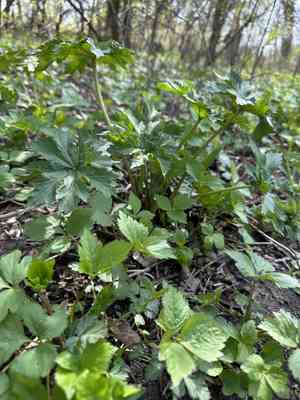
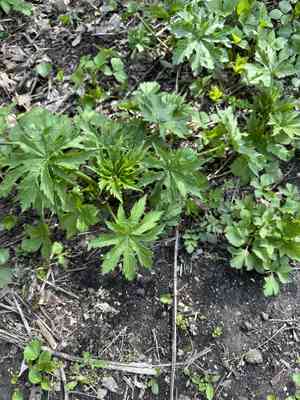
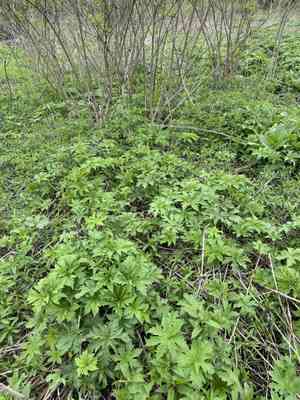
Napaea can be identified by its large, lobed leaves and tall, unbranched stems. The flowers are white and grow in clusters. The plant is dioecious, meaning that individual plants are either male or female.
Scientific Classification of Glade Mallow (Napaea)
Phylum
Magnoliophyta
Class
Magnoliopsida
Order
Malvales
Family
Malvaceae
Genus
Napaea
Planting and Growing of Glade Mallow (Napaea)
Care Difficulty
Moderate
Watering Schedule
Every 3 days
Sunlight Requirements
Partial sun
Sunshine Duration
4-8 hours
Ideal Temperature
60-75℉
Soil Type
Potting Mix, Peat Mix
Soil pH
6-7.5
Fertilizer Type
Balanced
Pruning Season
Spring, Summer
Pruning Area
Branches, Leaves
Pruning Frequency
2 times a year
Repotting Season
Spring
Pot Type
Plastic, Ceramic
 How to Water Glade Mallow (Napaea)?
The amount of water should be just enough to moisten the top 2 inches of soil. For Napaea, approximately 250 milliliters per watering suffices. Ensure the soil is neither waterlogged nor completely dry, maintaining consistent moisture is key.
What are the symptoms of an underwatered Glade Mallow (Napaea)?
›
What should I do if my Glade Mallow (Napaea) is not getting enough water?
›
What are the symptoms of an overwatered Glade Mallow (Napaea)?
›
How to save an overwatered Glade Mallow (Napaea)?
›
 What Are the Sunlight Requirements for Glade Mallow (Napaea)?
Partial sun is the ideal light range for Napaea. This range supports robust growth by balancing necessary sunlight exposure with protection from harsh light, fostering a healthy and thriving plant environment.
Best Time for Sun Exposure
›
Solution for Optimal Light
›
Benefits of Ideal Light
›
 What Is the Ideal Temperature Range for Glade Mallow (Napaea)?
The ideal temperature range for Napaea growth is between 60°F to 75°F. This range ensures optimal metabolic and physiological functioning, supporting healthy cellular processes and growth development.
 What Soil is Best for Glade Mallow (Napaea)?
Napaea thrives in nutrient-rich soil, which supports vigorous growth and abundant flowering. The soil should be supplemented with organic matter like compost or well-rotted manure to enhance fertility. It's crucial for Napaea to have a well-draining soil structure, as it prevents waterlogging which can lead to root rot. Sandy loam provides an ideal balance, ensuring adequate moisture retention without causing harm. While proper drainage is essential, the soil should still retain adequate moisture. A loamy soil with good organic content helps maintain consistent moisture levels, thus supporting the plant's water needs.
 How to Fertilize Glade Mallow (Napaea)?
For Napaea, fertilizer should be applied sparingly. A general guideline is to use a balanced fertilizer with an N-P-K ratio like 10-10-10. Dilute liquid fertilizers to half the recommended strength to avoid burning the plant's roots, applying approximately 1 tablespoon per gallon of water.
 How to Prune Glade Mallow (Napaea)?
Begin by identifying and removing any dead or damaged stems or leaves. These parts can harbor disease and divert energy away from healthy growth, reducing the plant's aesthetic appeal. Shape the plant by trimming overgrown stems back to a node or lateral branch. This keeps the plant looking tidy and allows it to maintain a pleasant and manageable shape, enhancing its overall appearance. Prune after flowering by removing spent blooms to encourage more vibrant growth and potential reblooming. This practice also prevents seed formation, focusing the plant's energy on root and foliage development.
 How to Propagate Glade Mallow (Napaea) plant?
1
Start by preparing a seed mix that is light and well-draining. A mixture of peat and perlite can work well for seed germination.
2
Sow the seeds evenly over the surface of the moist seed mix. Do not bury the seeds too deep as they require light to germinate.
3
Select healthy stems from the parent plant and cut them at a 45-degree angle. Ensure each cutting has at least two nodes to promote root growth.
 How to Repot Glade Mallow (Napaea) plant?
1
Observe if the roots start circling the pot or protrude from drainage holes. Repotting is best during the active growth phase in spring or early summer for minimum stress on the plant.
2
Select a pot about 2 inches larger in diameter than the current one to allow root expansion. Ensure it has drainage holes to prevent waterlogging, aiding healthy root growth.
3
Choose a well-draining, loamy soil mix to prevent root rot while retaining enough moisture to sustain the plant between waterings. Rich soil aids nutrient absorption, fostering vigorous growth.

