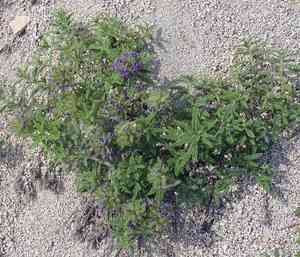
Rothrock's fiddleleaf (Nama rothrockii)
Also known as: Rothrock's Nama, Rothrock Nama
Rothrock's fiddleleaf is well-adapted to desert environments, featuring deep taproots that efficiently access water from sandy or rocky soils. Its thick, leathery leaves minimize water loss and withstand intense sunlight. The plant’s low, spreading habit reduces exposure to harsh winds, and its silvery-green foliage reflects sunlight, helping to manage temperature stress. These characteristics enable Rothrock's fiddleleaf to thrive in arid conditions.
In This Article
Attributes of Rothrock's fiddleleaf
Lifespan
Perennial
Plant Type
Herb
Plant Height
10-30 cm
Spread
20-40 cm
Leaf Color
Green
Flower Size
0.5-1 cm
Flower Color
Blue, Lavender
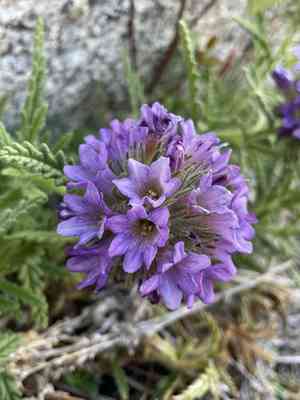
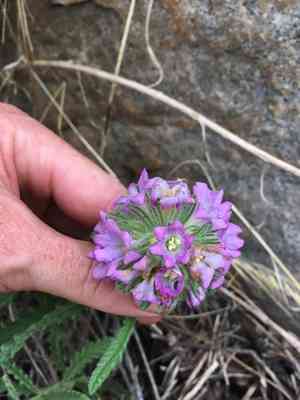
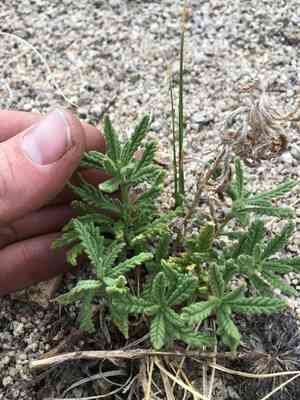
Images of Rothrock's fiddleleaf
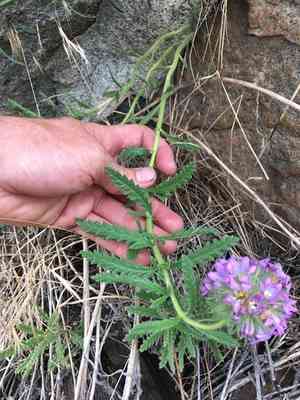
Quickly Identify Rothrock's fiddleleaf
1
Identifying Nama rothrockii involves looking for small, herbaceous plants with delicate blue or lavender flowers. The leaves are simple, ovate to lanceolate, and often have a hairy texture.
Scientific Classification of Rothrock's fiddleleaf
Phylum
Vascular plants
Class
Dicotyledons
Order
Boraginales
Family
Waterleaf
Genus
Nama
Species
Rothrock's fiddleleaf
Planting and Growing of Rothrock's fiddleleaf
Care Difficulty
Hard
Watering Schedule
Every 2 days
Sunlight Requirements
Full sun
Sunshine Duration
4-8 hours
Ideal Temperature
60-75℉
Soil Type
Potting Mix, Peat Mix
Soil pH
6.5-7.5
Fertilizer Type
Balanced
Pruning Season
Spring, Summer
Pruning Area
Branches, Leaves
Pruning Frequency
2 times a year
Repotting Season
Spring
Pot Type
Plastic, Ceramic
 How to Water Rothrock's fiddleleaf?
Water Nama rothrockii with approximately 250 milliliters each time, ensuring enough moisture reaches the roots. Allow the soil to dry slightly between waterings to avoid sogginess.
What are the symptoms of an underwatered Rothrock's fiddleleaf?
›
What should I do if my Rothrock's fiddleleaf is not getting enough water?
›
What are the symptoms of an overwatered Rothrock's fiddleleaf?
›
How to save an overwatered Rothrock's fiddleleaf?
›
 What Are the Sunlight Requirements for Rothrock's fiddleleaf?
Nama rothrockii thrives in environments offering full sun to partial sun. Ideal lighting promotes lush growth, enhances blooming potential, and keeps the plant healthier overall.
What is the best way to provide ideal lighting?
›
How can I adjust conditions to achieve ideal lighting?
›
What are the benefits of providing ideal lighting?
›
 What Is the Ideal Temperature Range for Rothrock's fiddleleaf?
Nama rothrockii thrives best between 60°F and 75°F, where photosynthesis occurs efficiently and growth is optimal. This temperature range supports healthy metabolic functions, leading to vigorous plant growth and robust flowering.
 What Soil is Best for Rothrock's fiddleleaf?
Nama rothrockii thrives in well-draining soil to prevent root rot caused by waterlogging. This environment ensures the roots have access to necessary oxygen while also allowing excess moisture to escape quickly. Optimal drainage enhances the plant’s growth and prevents common root diseases. Preferring a slightly alkaline soil pH, between 6.5 to 7.5, Nama rothrockii gains maximum nutrient availability under these conditions. This range allows for better uptake of essential nutrients such as calcium and magnesium, promoting vigorous growth and healthy foliage. This plant can tolerate nutrient-poor soils, reflecting its adaptability to less fertile environments. By not requiring rich, fertile soils, Nama rothrockii can survive in conditions unsuitable for many other species, reducing competition and the need for frequent fertilization.
 How to Fertilize Rothrock's fiddleleaf?
For Nama rothrockii, ensure you apply liquid fertilizer dilute to half the recommended strength to avoid overfeeding. For slow-release fertilizers, use one-third of the package instructions to match the plant's moderate nutrient needs.
 How to Prune Rothrock's fiddleleaf?
Begin by examining the plant for any dead, diseased, or damaged branches. These should be the first to go as they can draw resources away from healthy parts and potentially spread disease. Prune to maintain a natural shape, making selective cuts just above a leaf node to guide new growth. This helps the plant maintain its desired aesthetic form and supports more robust blooming. Cut away any weak or spindly growth to allow the plant to focus energy on strong, healthy branches. This step ensures that the plant’s energy is directed towards producing more vigorous and lush foliage.
More About Pruning Techniques→
 How to Propagate Rothrock's fiddleleaf plant?
1
Prepare a well-draining soil mix, ideally a mixture of potting soil, sand, and perlite. This provides a suitable medium for both seeds and cuttings, helping prevent waterlogging.
2
Sow the seeds evenly on the soil surface and cover them lightly with a thin layer of soil. Ensure the seeds are kept moist but not waterlogged to promote successful germination.
3
Select a healthy stem and cut a 10-15 cm piece below a leaf node. Remove lower leaves and place the cutting in water or moist soil to encourage root formation.
 How to Repot Rothrock's fiddleleaf plant?
1
Repotting Nama rothrockii is optimal when you notice the roots emerging from the drainage holes or when the plant seems to be root-bound, indicating it has outgrown its current pot. Another signal is when the growth slows significantly, suggesting it needs fresh nutrients from new soil.
2
Select a pot that is one size larger than the current one, with ample drainage. A slightly larger pot gives the roots space to expand, promoting healthy growth, while good drainage prevents waterlogging, a key to preventing root rot.
3
A well-draining sandy soil mix is ideal due to its ability to prevent water retention which could lead to root rot. This soil simulates the plant's native conditions, providing aeration to the root system and supporting healthy plant development.


