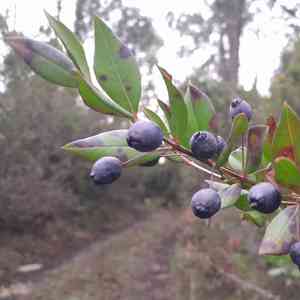
Myrtles (Myrtus) (Myrtus)
Also known as: Common Myrtle, True Myrtle
Myrtles (Myrtus) are evergreen shrubs and small trees, admired for their aesthetic appeal and adaptability to pruning. These plants have been cultivated as ornamental features and hedges for millennia. In Western traditions, myrtles are linked with both Demeter and Aphrodite from ancient Greek mythology. They symbolize a range of concepts, including love, fertility, innocence, abundance, and celebration.
In This Article
Attributes of Myrtles (Myrtus)
Lifespan
Perennial
Plant Height
1.5 to 5 meters
Spread
1 to 1.5 meters
Leaf Color
Dark green, glossy
Flower Size
1 to 2 centimeters
Flower Color
White, sometimes pink
Images of Myrtles (Myrtus)



Quickly Identify Myrtles (Myrtus)
1
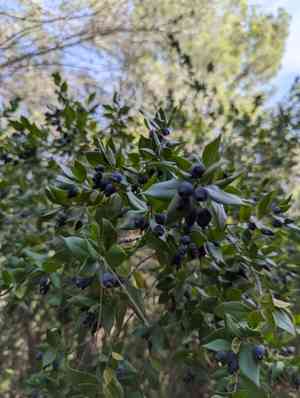
The Myrtus can be identified by its small, evergreen leaves that are dark green and glossy. The plant produces white or occasionally pink flowers with numerous stamens, followed by blue-black berries.
Scientific Classification of Myrtles (Myrtus)
Phylum
Magnoliophyta
Class
Magnoliopsida
Order
Myrtales
Family
Myrtaceae
Genus
Myrtus
Planting and Growing of Myrtles (Myrtus)
Care Difficulty
Moderate
Watering Schedule
Every 2 days
Sunlight Requirements
Full sun
Sunshine Duration
6-10 hours
Ideal Temperature
65-75℉
Soil Type
Potting Mix, Peat Mix
Soil pH
6.5-7.5
Fertilizer Type
Balanced
Pruning Season
Spring, Summer
Pruning Area
Branches, Leaves
Pruning Frequency
2 times a year
Repotting Season
Spring
Pot Type
Plastic, Ceramic
 How to Water Myrtles (Myrtus)?
When watering Myrtus, ensure that the soil receives a thorough soak until water drains out the bottom of the pot. This indicates the roots are sufficiently moist. The plant prefers to dry out a bit between waterings, following a soak-and-dry cycle to maintain consistent moisture levels without staying waterlogged.
What are the symptoms of an underwatered Myrtles (Myrtus)?
›
What should I do if my Myrtles (Myrtus) is not getting enough water?
›
What are the symptoms of an overwatered Myrtles (Myrtus)?
›
How to save an overwatered Myrtles (Myrtus)?
›
 What Are the Sunlight Requirements for Myrtles (Myrtus)?
Myrtus enjoys full to partial sun conditions, receiving 6 to 8 hours of sunlight daily. This promotes vigorous growth, ensuring the plant blooms efficiently and maintains its bushy appearance.
How much light does Myrtus need?
›
What if I don’t have a sunny spot?
›
What does ideal lighting do for Myrtus?
›
 What Is the Ideal Temperature Range for Myrtles (Myrtus)?
The ideal temperature range for growing Myrtus lies between 65°F and 75°F. It is crucial to maintain this temperature range as Myrtus thrives in mild, temperate conditions, where they're able to efficiently photosynthesize and maintain optimal growth rates without environmental stress.
 What Soil is Best for Myrtles (Myrtus)?
Myrtus thrives in well-drained soil as it prevents waterlogging, which can lead to root rot. Good drainage allows roots to breathe and promotes healthy growth. A soil with moderate nutrient content supports Myrtus by providing essential minerals without over-fertilizing, which could harm the plant. While Myrtus needs well-drained soil, it also benefits from soil that can retain moisture to ensure the plant has access to water during dry periods.
 How to Fertilize Myrtles (Myrtus)?
For Myrtus, a balanced liquid fertilizer diluted to half strength is recommended. Use about 1/4 teaspoon per gallon of water. Always follow the manufacturer’s instructions to avoid over-fertilization.
 How to Prune Myrtles (Myrtus)?
Begin with sharp, clean pruning shears or scissors to make precise cuts. Ensure tools are sanitized before use to prevent the transmission of plant diseases. A small saw might be necessary for thicker branches. Begin by trimming back shoots that appear leggy or out of place. Aim for a balanced shape that allows light and air to penetrate the inner branches, which promotes a healthier overall plant. Inspect the plant closely for any branches that appear dead, diseased, or damaged. Cut these at the base to help the plant focus its energy on producing new, healthy growth.
 How to Propagate Myrtles (Myrtus) plant?
1
Collect ripe berries from a healthy Myrtus plant. Clean and dry the seeds, then plant them in a tray with sterile potting mix. Keep in a warm, well-lit area.
2
Select healthy, semi-hardwood stems that are disease-free. Use pruning shears to cut 4-6 inch sections, making clear, angled cuts just below a node.
3
Dip the cut end in rooting hormone to encourage root growth. Insert the cuttings into the potting mix, ensuring they are stable. Keep them moist and in bright, indirect light.
 How to Repot Myrtles (Myrtus) plant?
1
Repot your Myrtus when you notice roots growing out of drainage holes or when the plant appears to be stunted. Spring is the best time for repotting, allowing the plant to establish itself as it prepares to enter its active growing phase. Keep an eye on the plant, and when these signs appear, it's time to take action.
2
Choose a pot that is only a couple of inches larger than the current one. This ensures the plant does not sit in excess water, reducing the risk of root rot. A pot with drainage holes is essential, as it allows excess water to escape and helps maintain an ideal moisture level for Myrtus.
3
Select a well-draining potting mix. Myrtus prefers soils that can retain some moisture but still offer good aeration and drainage. This balance helps the roots stay healthy and prevents them from becoming waterlogged, promoting robust growth.

