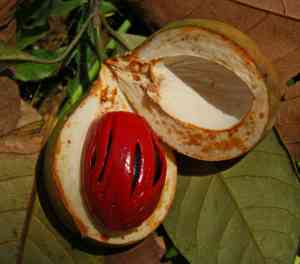
Myristica yunnanensis (Myristica yunnanensis)
Also known as: Chinese Nutmeg, Yunnan Nutmeg
Previously classified as "critically endangered" by the IUCN, Myristica yunnanensis was initially believed to be exclusive to Yunnan Province in China. However, additional populations have been identified in northern Thailand and Vietnam. This medium-sized tree features both above-ground and below-ground roots and thrives in humid, dense tropical forests, typically found on lower mountain slopes and in ravines.
In This Article
Attributes of Myristica yunnanensis
Lifespan
Perennial
Plant Type
Tree
Plant Height
30 m
Spread
6-8 meters
Leaf Color
Dark green
Flower Size
0.5-1 cm
Flower Color
Pink Purple
Images of Myristica yunnanensis
Quickly Identify Myristica yunnanensis
1
Identify the tree by its dark green, leathery leaves, and its aromatic seeds encased in a red aril. The tree can grow up to 20 meters tall.
Scientific Classification of Myristica yunnanensis
Phylum
Vascular plants
Class
Dicotyledons
Order
Magnolias, nutmegs, and allies
Family
Nutmeg
Genus
Nutmegs
Species
Myristica yunnanensis
Planting and Growing of Myristica yunnanensis
Care Difficulty
Hard
Watering Schedule
Every 2 days
Sunlight Requirements
Partial sun
Sunshine Duration
6-10 hours
Ideal Temperature
65-75℉
Soil Type
Potting Mix, Peat Mix
Soil pH
6.5-7.5
Fertilizer Type
Balanced
Pruning Season
Spring, Summer
Pruning Area
Branches, Leaves
Pruning Frequency
2 times a year
Repotting Season
Spring
Pot Type
Plastic, Ceramic
 How to Water Myristica yunnanensis?
Myristica yunnanensis prefers a moderate amount of water. Ideally, you should aim to deliver approximately 250 milliliters each time you water it. The key is to ensure that water reaches the roots without leaving the soil soggy. Just enough to moisten the soil thoroughly but avoid pooling.
What are the symptoms of an underwatered Myristica yunnanensis?
›
What should I do if my Myristica yunnanensis is not getting enough water?
›
What are the symptoms of an overwatered Myristica yunnanensis?
›
How to save an overwatered Myristica yunnanensis?
›
 What Are the Sunlight Requirements for Myristica yunnanensis?
Myristica yunnanensis benefits from partial sun or full shade environments where it receives soft, filtered sunlight. Such light conditions offer a balance, promoting photosynthesis without causing stress.
What is the best sunlight exposure for Myristica yunnanensis?
›
How can one achieve optimal light conditions?
›
What benefits does optimal light bring to Myristica yunnanensis?
›
 What Is the Ideal Temperature Range for Myristica yunnanensis?
The ideal temperature range for Myristica yunnanensis is between 65°F and 75°F. This range provides the plant with the optimal conditions for growth and development, ensuring that its metabolic processes are carried out efficiently. Maintaining this temperature range is crucial for healthy foliage and robust plant structure.
 What Soil is Best for Myristica yunnanensis?
Myristica yunnanensis requires well-drained soil to prevent root rot. Good drainage allows excess water to escape, ensuring roots can access oxygen and nutrients efficiently, promoting healthy growth. The plant thrives in soil enriched with organic matter. Nutrient-rich soil supports robust plant health, enhancing the tree's natural oils and aromatic qualities, which are prized in culinary and medicinal uses. While preferring well-drained soil, Myristica yunnanensis also benefits from moisture retention. Balancing soil that can retain moisture without becoming waterlogged is key to maintaining the plant's hydration needs.
 How to Fertilize Myristica yunnanensis?
For Myristica yunnanensis, it is crucial to apply the appropriate amount of fertilizer to ensure optimal growth. Typically, for liquid fertilizers, use half a tablespoon of concentrated fertilizer diluted in 1 liter of water. For solid, slow-release fertilizers, consider applying 50 grams per square meter around the base of the plant.
 How to Prune Myristica yunnanensis?
Prune Myristica yunnanensis during its dormant period in early spring or late autumn. Avoid pruning during extreme weather conditions to prevent stress on the plant. Consistently prune the sides and top to maintain a balanced, aesthetically pleasing shape. Remove any branches that cross or rub against each other, as this can lead to wounds and disease. After pruning, monitor the plant for any signs of stress or disease. Water it adequately and apply a balanced fertilizer to support new growth. Mulching can help retain soil moisture and moderate temperature fluctuations.
More About Pruning Techniques→
 How to Propagate Myristica yunnanensis plant?
1
Choose healthy and fully matured seeds for propagation. It’s important to source seeds from a reliable supplier to ensure quality and viability.
2
Select a healthy branch and cut at a 45-degree angle below a node. This encourages better root development. Make sure the cutting is 4-6 inches long and has a few leaves.
3
Plant seeds or cuttings in a suitable medium, ensuring good drainage. Water lightly, keeping the soil consistently moist but not waterlogged to promote root development.
 How to Repot Myristica yunnanensis plant?
1
Repot Myristica yunnanensis when you notice roots protruding from the drainage holes or if the plant becomes overly dense within the pot, indicating root bound conditions. Another signal is slowed growth despite proper care; this suggests the plant may have depleted the nutrients in its current medium. It's best to opt for either spring or summer when the plant is actively growing, allowing it to recover more swiftly from the repotting.
2
Select a pot that's 1-2 inches larger in diameter than the current pot. Ensure it has sufficient drainage holes to prevent water logging, which could lead to root rot. Choosing the right pot size is crucial as it allows roots to expand comfortably and ensures proper aeration within the soil, leading to healthier growth.
3
Opt for a well-draining acidic soil mix, ideally a blend containing peat, perlite, and pine bark. This type of soil retains enough moisture to sustain the plant while preventing over-watering, and its consistency supports proper root aeration. The acidic nature meets the plant's preference, thus fostering its development after repotting.
Learn More About Myristica yunnanensis Diseases
Anthracnose
Bacterial Leaf Spot
Bacterial Soft Rot
Bacterial Wilt
Black Spot
Chemical Injury
Crown Gall
Cyst Nematode
Damping-off
Downy Mildew
Drought Stress
Fusarium Wilt
Gray Mold
Leaf Curl
Leaf Spot
Mosaic
Nutrient Deficiency
Nutrient Toxicity
Powdery Mildew
Root Rot
Root-knot Nematode
Rusts
Sooty Mold
Spider Mites
Temperature Stress
Thrips Damage
White Mold



