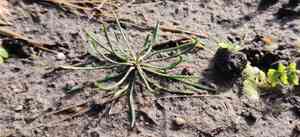
Mousetails (Myosurus) (Myosurus)
Also known as: Mousetail, Mouse-tail Plant
Mousetails are annual scapose herbs characterized by their unique flowers, which have 6 stamens and numerous ovaries on a stalk. There are around 15 species in this group. These herbs are almost globally distributed, except for eastern Asia and tropical areas, with their diversity center located in western North America.
In This Article
Attributes of Mousetails (Myosurus)
Lifespan
Annual
Plant Height
5-20 cm
Spread
Not applicable
Leaf Color
Green
Flower Size
0.2-0.5 cm
Flower Color
Greenish
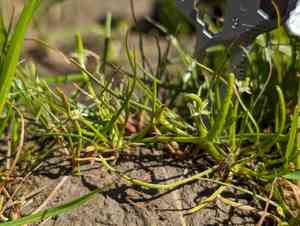
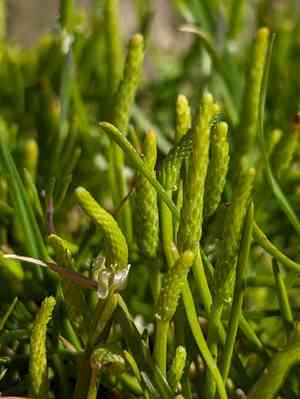
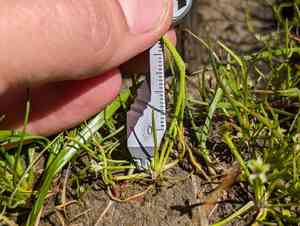
Images of Mousetails (Myosurus)
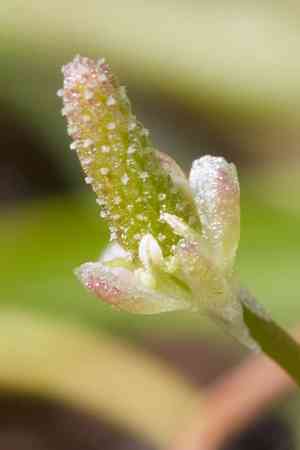
Quickly Identify Mousetails (Myosurus)
1
Myosurus can be identified by its long, narrow, tail-like inflorescence and small, inconspicuous, greenish flowers. Their leaves are typically linear and grass-like.
Scientific Classification of Mousetails (Myosurus)
Phylum
Tracheophyta
Class
Magnoliopsida
Order
Ranunculales
Family
Ranunculaceae
Genus
Myosurus
Planting and Growing of Mousetails (Myosurus)
Care Difficulty
Moderate
Watering Schedule
Every 2 days
Sunlight Requirements
Full sun
Sunshine Duration
6-8 hours
Ideal Temperature
60-75℉
Soil Type
Potting Mix, Peat Mix
Soil pH
6.5-7.5
Fertilizer Type
Balanced
Pruning Season
Spring, Summer
Pruning Area
Branches, Leaves
Pruning Frequency
Once a year
Repotting Season
Spring
Pot Type
Plastic, Terracotta
 How to Water Mousetails (Myosurus)?
When watering Myosurus, aim for a gentle soak that reaches the root zone without leaving the soil soggy. The goal is moist, not soaking wet soil, to mimic its natural environment.
What are the symptoms of an underwatered Mousetails (Myosurus)?
›
What should I do if my Mousetails (Myosurus) is not getting enough water?
›
What are the symptoms of an overwatered Mousetails (Myosurus)?
›
How to save an overwatered Mousetails (Myosurus)?
›
 What Are the Sunlight Requirements for Mousetails (Myosurus)?
Partial sun to full sun ensures Myosurus receives the ideal amount of light, promoting vigorous growth, lush foliage, and a robust structure.
How much sunlight does Myosurus need?
›
How to ensure Myosurus gets ideal sunlight?
›
Benefits of ideal lighting for Myosurus?
›
 What Is the Ideal Temperature Range for Mousetails (Myosurus)?
Myosurus, commonly known as mousetail, flourishes in mild climates where temperatures are consistently within the range of 60°F to 75°F. This range supports optimal growth and ensures the plants maintain their health and vigor. Maintaining this temperature range encourages the plant's metabolic processes, leading to robust growth and blooming cycles.
 What Soil is Best for Mousetails (Myosurus)?
Myosurus requires well-drained soil to prevent root rot. The drainability helps ensure that the roots receive adequate oxygen, fostering healthy growth and preventing waterlogging troubles. These plants don't need excessively rich soil but benefit from moderate nutrient levels. This balance helps Myosurus maintain a compact growth habit without excessive leaf production, channeling resources into flower and seed production. Myosurus thrives in soils with a pH close to neutral. This pH range encourages optimal nutrient uptake, fostering robust plant health and vibrant flowering.
 How to Fertilize Mousetails (Myosurus)?
For Myosurus, a diluted concentration of liquid fertilizer should be used, preferably at half the recommended strength. Be cautious not to oversaturate the soil, aiming merely to supplement nutrients.
 How to Prune Mousetails (Myosurus)?
Start by identifying any dead or damaged stems and carefully trim them using sharp, clean scissors. For shaping, focus on cutting back leggy stems slightly above a leaf node to encourage bushier growth. Take care not to remove more than one-third of the plant's foliage at a time to avoid stress. Regularly pinching off spent flowers will not only improve the plant's appearance but also direct energy towards producing new blooms. Use your fingers or small snippers to remove faded flowers just below the flower's base. This process ensures prolonged blooming periods throughout the season.
 How to Propagate Mousetails (Myosurus) plant?
1
Begin by preparing Myosurus seeds. Clean and dry them thoroughly if collected from existing plants, ensuring they are free from any pests or disease before planting.
2
Sow Myosurus seeds on the surface of the soil mix in the seed tray. Ensure the seeds are not buried deeply—light coverage with soil is adequate. Water gently after sowing.
3
Place the seed tray in a location with indirect sunlight, maintaining a temperature of around 15-20°C. Keep the soil consistently moist by misting it to avoid washing away the seeds.
 How to Repot Mousetails (Myosurus) plant?
1
Repotting Myosurus is best undertaken in spring. Look for signs like roots appearing through drainage holes, slow growth, or soil that dries out faster than usual. These indicate that your plant needs more space to grow.
2
Select a pot that is 1-2 inches larger in diameter than the current one. This size allows for growth without overwhelming the root system. Ensure it has drainage holes to prevent waterlogging, which can lead to root rot.
3
A well-draining soil mix is essential for Myosurus to prevent root rot. A mix of sandy soil or cactus mix with perlite or pumice encourages drainage while providing sufficient nutrients. This ensures the roots remain healthy and aerated.
Learn More About Mousetails (Myosurus) Diseases
Anthracnose
Bacterial Leaf Spot
Bacterial Soft Rot
Bacterial Wilt
Chemical Injury
Cyst Nematode
Damping-off
Downy Mildew
Drought Stress
Fusarium Wilt
Gray Mold
Leaf Spot
Mosaic
Nutrient Deficiency
Nutrient Toxicity
Powdery Mildew
Root Rot
Root-knot Nematode
Rusts
Sooty Mold
Spider Mites
Temperature Stress
Thrips Damage
White Mold

