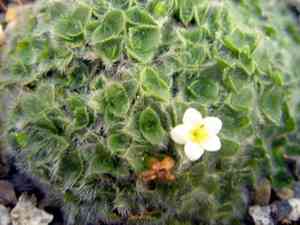
Forget-me-nots (Myosotis) (Myosotis)
Also known as: Forget-me-not, Scorpion grasses
Forget-me-nots, also known as scorpion grasses, are small blue-flowered plants. The name "forget-me-not" is a translation from the German word "Vergissmeinnicht," which dates back to the 1300s. Originally found in the wild across Eurasia, these flowers have since been cultivated in temperate regions globally.
In This Article
Attributes of Forget-me-nots (Myosotis)
Lifespan
Biennial
Plant Height
50 cm
Spread
20 cm
Leaf Color
Green
Flower Size
0.5-1 cm
Flower Color
White Purple Blue Pink
Images of Forget-me-nots (Myosotis)
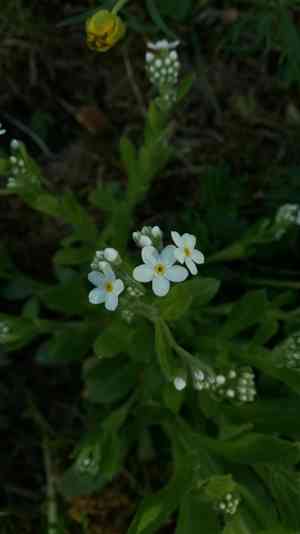
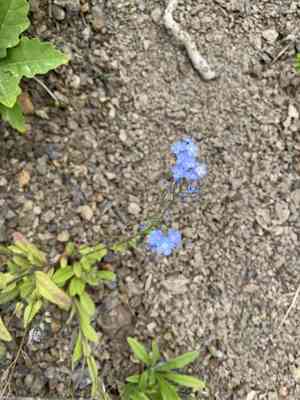
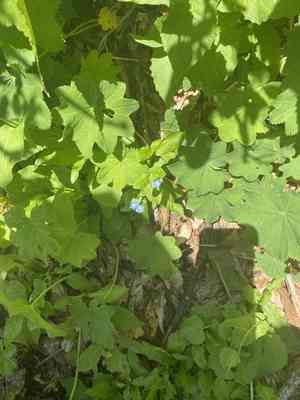
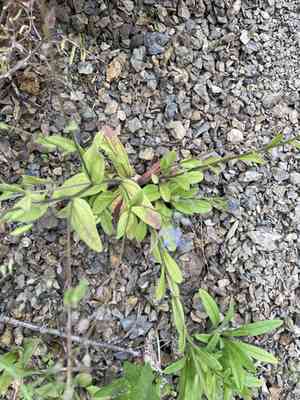
Quickly Identify Forget-me-nots (Myosotis)
1
Look for small, blue, flat-faced flowers with five petals and a yellow or white center. Leaves are simple, alternate, and hairy.
Scientific Classification of Forget-me-nots (Myosotis)
Phylum
Magnoliophyta
Class
Magnoliopsida
Order
Boraginales
Family
Boraginaceae
Genus
Myosotis
Planting and Growing of Forget-me-nots (Myosotis)
Care Difficulty
Moderate
Watering Schedule
Every 4 days
Sunlight Requirements
Partial sun
Sunshine Duration
4-6 hours
Ideal Temperature
60-70℉
Soil Type
Potting Mix, Peat Mix
Soil pH
6-7.5
Fertilizer Type
Balanced
Pruning Season
Spring, Summer
Pruning Area
Branches, Leaves
Pruning Frequency
2 times a year
Repotting Season
Spring
Pot Type
Plastic, Ceramic
 How to Water Forget-me-nots (Myosotis)?
For Myosotis, the watering amount should be sufficient enough to keep the soil consistently moist but not soggy. Ensure the soil surface dries slightly between waterings. Pour about 250 ml of water slowly around the base until moisture starts to seep through the drainage holes, indicating the soil is saturated to an adequate depth.
What are the symptoms of an underwatered Forget-me-nots (Myosotis)?
›
What should I do if my Forget-me-nots (Myosotis) is not getting enough water?
›
What are the symptoms of an overwatered Forget-me-nots (Myosotis)?
›
How to save an overwatered Forget-me-nots (Myosotis)?
›
 What Are the Sunlight Requirements for Forget-me-nots (Myosotis)?
Myosotis thrives in partial sun, receiving 4-6 hours of light daily. Ideal lighting ensures the plant maintains optimal growth, developing strong stems and an abundance of flowers.
What is the best lighting condition for Myosotis?
›
How can I achieve the ideal lighting condition for Myosotis?
›
What are the benefits of providing Myosotis with ideal lighting?
›
 What Is the Ideal Temperature Range for Forget-me-nots (Myosotis)?
The ideal temperature range for Myosotis, commonly known as forget-me-nots, is between 60°F and 70°F. This range provides optimal conditions for growth and flowering, ensuring the plant thrives. Maintaining a consistent temperature within this range helps in promoting healthy leaves and robust blooms.
 What Soil is Best for Forget-me-nots (Myosotis)?
Myosotis thrives in nutrient-rich soils that offer ample organic matter. This helps the plant to flourish by facilitating robust growth and vibrant flowering. Incorporating compost or well-rotted manure can enhance soil fertility, ensuring a steady supply of nutrients to the plant. Ensuring well-drained soil is vital to prevent root rot in Myosotis. This plant prefers conditions where excess water does not pool around its roots. Adding sand or perlite can improve soil drainage, promoting healthier root systems and vigorous plant growth. While Myosotis prefers well-drained soil, it also needs consistent moisture. This balance is pivotal to avoid drying out, which can be detrimental. Mulching around the plant can help retain moisture, mimicking natural habitats that encourage lush growth.
 How to Fertilize Forget-me-nots (Myosotis)?
For Myosotis, the fertilization needs are quite modest. Use a balanced 10-10-10 liquid fertilizer, diluted to half strength, every time you water the plant. This ensures that the nutrients are available without the risk of over-fertilization. For solid fertilizers, spread them sparingly, as granules can burn the roots if over-applied.
 How to Prune Forget-me-nots (Myosotis)?
Begin by inspecting the plant for any dead or diseased flowers. These should be the first to be removed, as they can draw energy away from healthy parts of the plant and spread disease if left unattended. Focus on cutting back only the flower stems that have finished blooming. This will allow the plant to redirect its energy to producing new growth and blossoms. Cut just above a set of leaves to encourage bushy growth. As you prune, take the opportunity to shape the plant to your liking. Consider the overall appearance and ensure that the Myosotis maintains a balanced, aesthetically pleasing form. Trim any stray stems that disrupt the desired shape.
 How to Propagate Forget-me-nots (Myosotis) plant?
1
Begin by filling a seed tray with a quality seed-starting mix. Sow the Myosotis seeds on the surface and lightly press them in. Ensure they are not buried too deep as they need light to germinate.
2
Choose healthy, non-flowering stems for cutting. Cut about 5-10 centimeters of the stem with pruning shears. Remove the lower leaves to expose nodes, which will aid in rooting.
3
Carefully lift the entire plant from the ground, using a spade. Gently separate the plant into smaller sections, ensuring each section has roots attached. Replant the sections promptly.
 How to Repot Forget-me-nots (Myosotis) plant?
1
Keep an eye on your Myosotis! It's time to repot when the roots start peeking out from the bottom of the pot, or the soil dries out more quickly than usual. Growing in size yet stunted in blooms might signal the need for a roomier home.
2
Selecting a pot slightly larger than the current one is key. Look for pots with good drainage holes to prevent waterlogging, as Myosotis roots prefer not to swim in water. Terracotta pots are breathable and help excess moisture evaporate, thus keeping the roots healthy.
3
A well-draining potting soil mixed with a little perlite or sand works wonders for Myosotis. This balanced mix ensures aeration, while also retaining necessary moisture, providing an ideal environment for your plant to thrive and bloom.
Learn More About Forget-me-nots (Myosotis) Diseases
Anthracnose
Bacterial Leaf Spot
Bacterial Soft Rot
Bacterial Wilt
Chemical Injury
Crown Gall
Cyst Nematode
Damping-off
Downy Mildew
Drought Stress
Fusarium Wilt
Gray Mold
Leaf Curl
Leaf Spot
Mosaic
Nutrient Deficiency
Nutrient Toxicity
Powdery Mildew
Root Rot
Root-knot Nematode
Rusts
Sooty Mold
Spider Mites
Temperature Stress
Thrips Damage
White Mold

